
Watering
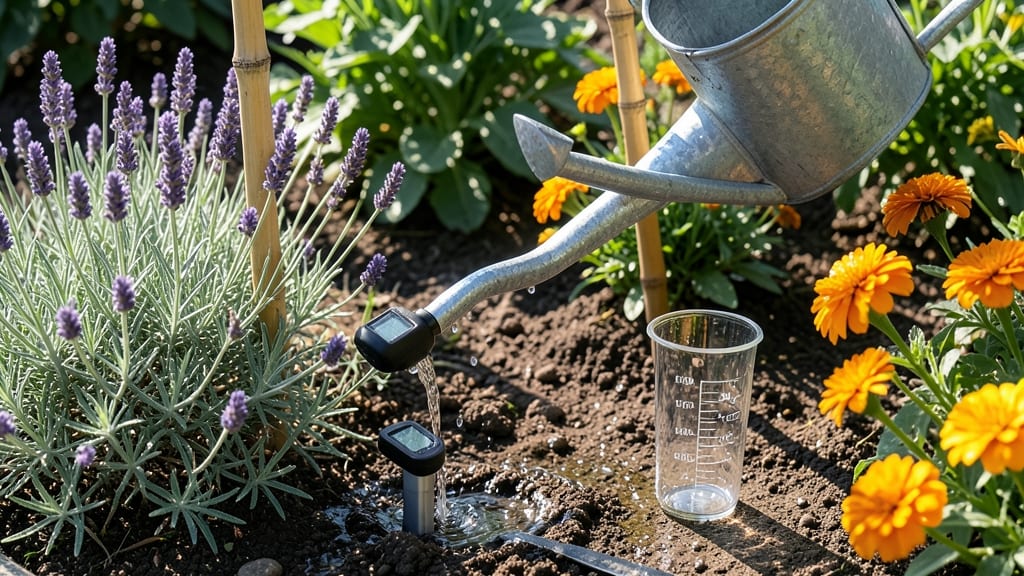
How much water does a garden need to thrive? The answer isn’t just "once a week"—getting it right determines whether your 🌱 plants flourish or wither.
Overwatering or underwatering your garden can kill plants faster than pests or diseases—yet most gardeners guess their watering needs instead of following science-backed rules.
Soil type, plant variety, and even the time of day change how much water your garden truly needs. A tomato plant in sandy soil might need two deep waterings per week, while a hosta in clay could survive on one soak every ten days.
Below, I break down the exact watering schedule by plant type, how to read your soil’s thirst signals, and the one mistake that wastes half your water without you realizing it.
Water requirements by plant type: a soil-science guide
Watering your garden isn't one-size-fits-all—each plant type has unique needs based on root depth, climate zone, and soil composition. For example, tomatoes with deep roots need 1-2 inches of water weekly, while basil thrives with just ½ inch every 2-3 days.
Understanding these differences prevents both drought stress and root rot from overwatering.
Soil type plays a critical role: Sandy soil drains quickly, requiring frequent light watering, while clay soil holds moisture longer, demanding deep but less frequent watering. Even within the same plant family, drought-tolerant varieties like lavender need half the water of delicate annuals such as marigolds.
Let’s break down the science behind watering by plant category.
📊 Key Factors to Consider:
- Root depth: Shallow roots (herbs) vs. deep roots (trees)
- Climate zone: Humid Southeast vs. arid Southwest
- Soil type: Sandy (fast-draining) vs. clay (water-retentive)
- Season: Summer heat vs. winter dormancy
| Plant Type | Water Needs (per week) | Root Depth | Drought Tolerance | Best Watering Time |
|---|---|---|---|---|
| Vegetables (Tomatoes, Peppers) | 1.5–2 inches | 12–24 inches | Moderate | Morning (6–9 AM) |
| Herbs (Basil, Cilantro) | ½–1 inch | 6–12 inches | Low | Evening (after 6 PM) |
| Flowers (Roses, Petunias) | 1–1.5 inches | 6–18 inches | Moderate-High | Morning |
| Shrubs (Boxwood, Hydrangea) | 1–1.5 inches | 18–36 inches | Moderate | Deep watering (2x/week) |
| Drought-Tolerant (Lavender, Succulents) | ¼–½ inch (bi-weekly) | 3–12 inches | High | Early morning (soil dries) |
| Trees (Fruit, Ornamental) | 2–3 inches (deep) | 36+ inches | Low-Moderate | Slow drip (base only) |
💧 Pro Tip: Always water at the soil level, not leaves, to prevent fungal diseases.
For vegetables like tomatoes and peppers, deep watering 2-3 times per week encourages strong root systems. These plants need consistent moisture—letting the top 2 inches of soil dry between waterings prevents blossom-end rot. In USDA Zone 6a, summer watering may require daily checks during heatwaves.
Herbs like basil and cilantro are water-sensitive: overwatering causes root rot, while underwatering leads to bitter flavors. Aim for ½ inch of water every 2-3 days, adjusting for container size (potted herbs dry out faster). Mulching with straw helps retain moisture without soggy soil.
Flowers such as roses and petunias demand 1-1.5 inches weekly, but their needs shift with blooming stages. New growth requires more frequent watering, while established plants tolerate slight drought. Always water at the base, not the foliage, to avoid mildew.
Shrubs like hydrangeas and boxwoods have deeper roots, so they prefer deep but infrequent watering. Once established, they thrive on 1-1.5 inches per week, but young shrubs need daily checks during their first year. Grouping shrubs together creates a microclimate that reduces evaporation.
If you’re new to gardening, start with a soil moisture meter to avoid guesswork. Stick it 2 inches deep—if it reads dry, water until moisture reaches 6 inches down. For sandy soil
How to adjust watering for soil type and weather conditions
Adjusting your watering routine based on soil type and weather patterns is the difference between a thriving garden and one struggling with root rot or drought stress. Sandy soil drains too fast, while clay holds water for days—both require different approaches.
Even local rainfall can shift your schedule dramatically, so flexibility is key. Let’s break down how to tailor your watering like a pro.
First, test your soil moisture before watering. Stick your finger 2-3 inches deep—if it feels dry, it’s time to water. For sandy soil, this might mean daily checks in summer, while clay soil may only need watering every 5-7 days.
Rainfall complicates things further: a 1-inch rainstorm can replace 1-2 weeks’ worth of watering for most plants, but heavy clay may still need supplemental watering even after rain.
Watering Adjustments by Soil Type & Weather
Sandy Soil
- ✅ Pros: Drains fast, reduces root rot risk
- ✅ Watering Tip: Frequent, shallow waterings (2-3x/week)
- ❌ Cons: Nutrients wash away quickly
- ❌ Risk: Overwatering = wasted H₂O
Clay Soil
- ✅ Pros: Retains moisture, fewer waterings needed
- ✅ Watering Tip: Deep soak every 5-7 days
- ❌ Cons: Compacted roots, poor drainage
- ❌ Risk: Underwatering = stunted growth
Weather Adjustments
- ✅ Hot/Dry: Water early morning (6-9 AM) to cut evaporation
- ✅ Rainy: Skip watering if 1+ inch rain falls in 24 hours
- ❌ Avoid: Watering at night (fungus risk)
- ❌ Overdo: Light daily sprinkles = shallow roots
Seasonal shifts demand quick pivots. In summer heat, I water my garden every other morning and use mulch to lock in moisture. During spring rains, I cut back to bi-weekly checks and rely on a soil moisture meter to avoid overdoing it.
Even winter dormancy changes the game—most plants need 20-30% less water once temps drop below 40°F.
Pro tip: Group plants by water needs. Pair thirsty tomatoes with drought-tolerant lavender in separate zones to streamline care. Use drip irrigation for precision—it delivers water directly to roots and reduces waste by 30% compared to sprinklers.
For potted plants, I weigh them: if they’re 20% lighter than when fully watered, it’s time to hydrate.
Don’t forget to monitor leaf signals. Yellowing leaves on clay soil? You’re likely overwatering. Wilting despite damp soil? Root rot may be setting in. Adjust your routine weekly based on these cues—your plants will thank you with healthier growth and bigger yields.
With these adjustments, you’ll stop guessing and start watering with confidence. Remember: consistency beats overwatering every time. Happy gardening!