
Plants
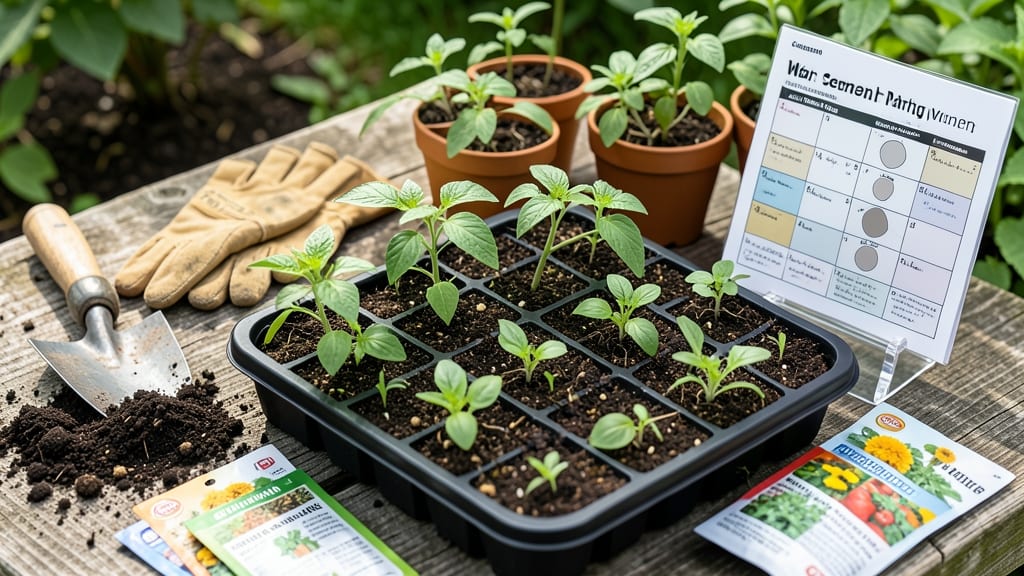
Planting garden plants at the right time ensures strong roots and a bountiful harvest before frost sets in.
Timing your garden planting just right can mean the difference between a thriving harvest and a disappointing one—especially when frost dates vary wildly across planting zones. In USDA Zone 6a, like many gardeners, I’ve learned that waiting too long can leave plants struggling to mature before the first chill.
Whether you’re sowing seeds indoors or transplanting seedlings, the key is understanding your local frost dates and soil temperatures.
For General Garden Plants 🌱, spring planting should start 4-6 weeks before the last frost, while fall planting gives you a second chance 4-6 weeks before the first frost.
Below, I’ll break down the best planting windows by zone, how to prep your soil, and when to expect your first harvest—so you can avoid common mistakes and maximize your garden’s potential.
How to use frost dates to determine planting times by USDA Zone
Understanding frost dates is the key to unlocking your garden's full potential. The last spring frost and first fall frost define your growing season, and these dates shift dramatically across USDA hardiness zones.
For example, Zone 3 might see its last frost in mid-May, while Zone 10 could still be planting in January. Knowing these timelines helps you avoid frost damage to tender plants and ensures you plant at the optimal time for each crop.
Your USDA zone isn't just about winter survival—it dictates when to start seeds indoors, when to transplant seedlings, and even which warm-season crops will thrive in your area. For instance, tomatoes need warm soil, so planting them too early in cooler zones (like Zone 5) can stunt their growth.
Meanwhile, cool-season crops like spinach can handle light frosts and should be sown weeks before your last frost date.
To find your frost dates, check the USDA Plant Hardiness Zone Map and cross-reference with local weather data. Many gardeners use the 32°F threshold for frost, but some plants (like peppers) can't tolerate temperatures below 50°F.
I recommend bookmarking resources like the National Weather Service or using apps like Frost Date Calculator to get precise dates for your ZIP code.
Here’s a quick rule of thumb: For warm-season crops, wait until 2-3 weeks after your last frost date to plant outdoors. For cool-season crops, sow seeds 4-6 weeks before your first frost for a fall harvest.
This timing ensures your plants mature before cold snaps arrive. For example, in Zone 7a, where the last frost is around April 15, I plant tomatoes in mid-May to avoid early-season chills.
🌱
| USDA Zone | Last Frost Date | First Frost Date | Warm-Season Planting Window | Cool-Season Planting Window |
|---|---|---|---|---|
| Zone 3-4 | Mid-May | Mid-September | Late May - Early June | Early April - Late August |
| Zone 5-6 | Early April | Late October | Mid-April - Early May | Early March - Mid-September |
| Zone 7-8 | Mid-March | Early December | Early April - Late April | Late January - Late October |
| Zone 9-10 | Late January | Mid-December | Late February - Early March | Year-round (succession planting) |
Adjusting your planting schedule based on frost dates isn’t just about avoiding damage—it’s also about maximizing your garden’s productivity. For example, in Zone 6a, where the last frost is around April 15, I plant peppers in late May to ensure they have enough warm days to mature.
Meanwhile, lettuce and spinach can be sown as early as March for a spring harvest or again in August for a fall crop.
If you’re unsure about your local frost dates, I recommend using a frost date calculator or checking with your local Cooperative Extension Service. These resources provide hyper-local data that can make or break your garden’s success.
For instance, a microclimate near a lake or hilltop might experience later frosts than the general area, so always verify with real-time data.
For herbs like basil and flowers like marigolds, timing is equally critical. These plants thrive in warm conditions, so planting them too early can lead to stunted growth or even death.
I’ve learned the hard way that basil planted before May 15 in Zone 5 often bolts or turns bitter. By aligning planting with frost dates, you’ll give your plants the best chance to flourish.
Don’t forget about succession planting—this technique lets you extend your harvest by sowing new seeds every 2-3 weeks after the initial planting. For example, in Zone 7b, I plant bush beans in May, June, and July to enjoy a continuous supply until
Best planting schedule for cool-season vs. warm-season crops by Zone
Understanding when to plant garden plants depends entirely on your USDA hardiness zone and whether you're growing cool-season or warm-season crops. Cool-season plants like lettuce and spinach thrive in cooler temperatures, while warm-season favorites like tomatoes and peppers need heat.
My Zone 6a garden serves as a great reference, but I'll share general guidelines that apply across most regions.
For cool-season vegetables, I start seeds indoors 4-6 weeks before the last expected frost date. In my zone, that means early March for most leafy greens. Meanwhile, warm-season crops like tomatoes and peppers need to wait until soil temperatures reach 60°F (15°C)—typically after May 15 in my area.
The key is matching plant needs with your local climate patterns.
| Plant Type | Cool-Season Planting Window | Warm-Season Planting Window | Succession Planting Tip |
|---|---|---|---|
| Leafy Greens (Lettuce, Spinach, Kale) | Direct sow 4-6 weeks before last frost or 8-10 weeks before first frost for fall | Not recommended (bolts in heat) | Sow every 2-3 weeks for continuous harvest |
| Root Vegetables (Carrots, Beets, Radishes) | Direct sow 2-4 weeks before last frost or 6-8 weeks before first frost | Limited success (some tolerate heat) | Sow every 3 weeks for staggered harvests |
| Tomatoes (Heirloom, Cherry, Roma) | Not recommended (needs warmth) | Start indoors 6-8 weeks before last frost; transplant after soil warms | Use row covers for early starts in cooler zones |
| Peppers (Bell, Jalapeño, Chili) | Not recommended (needs warmth) | Start indoors 8-10 weeks before last frost; transplant after last frost | Choose heat-tolerant varieties for extended seasons |
| Marigolds (French, African, Signet) | Direct sow 2-3 weeks before last frost | Direct sow after last frost or 4-6 weeks before first frost for fall | Sow every 3 weeks for continuous blooms |
| Zinnias (Profusion, Benary's Giant) | Not recommended (needs warmth) | Direct sow after last frost or 6-8 weeks before first frost for fall | Deadhead spent blooms for prolonged flowering |
Succession planting is my secret weapon for continuous harvests. For example, I sow lettuce every 2 weeks from early spring until mid-summer, then switch to heat-tolerant varieties like Romaine or Swiss chard.
This ensures fresh greens all season long. For warm-season crops, I often make a second planting of beans or cucumbers in late summer for a fall harvest.
Don't forget about flowers! Many annuals like marigolds and zinnias can be planted both in spring and fall. I always include a few cool-season flowers like pansies in early spring and late summer for vibrant color when other plants are dormant.
The key is planning ahead—mark your calendar with last frost dates and work backward from there.
For Zone 7 and warmer, you can extend warm-season planting into early fall, while Zone 5 and colder gardeners may need to use row covers or cold frames.
Always check your local frost dates and adjust planting windows accordingly. With the right timing, you can enjoy fresh homegrown produce from early spring to late fall!