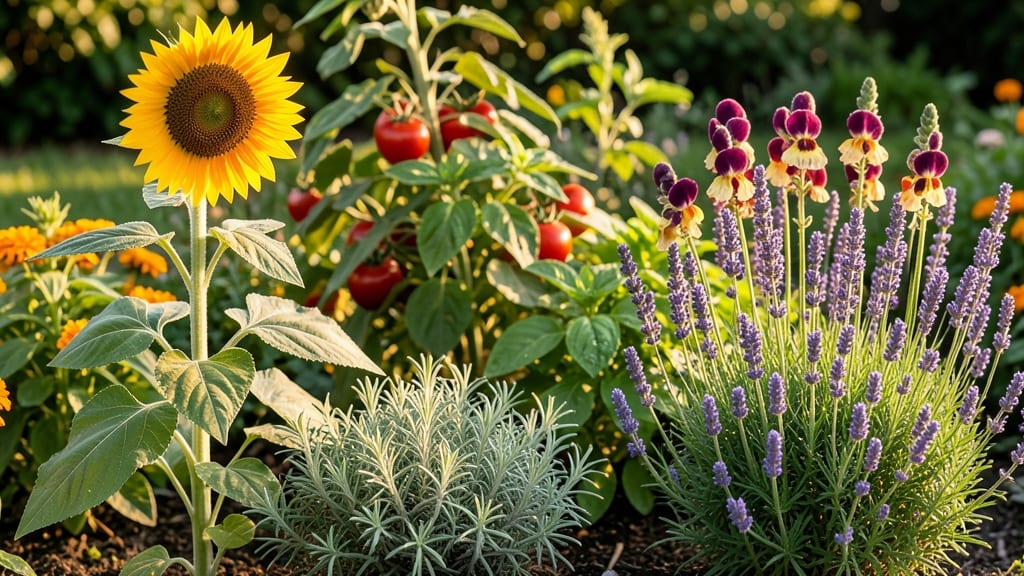
Growing popular garden plants that wow year-round doesn’t require a PhD in horticulture—just the right choices and a little strategy.
Picture this: a garden that thrives without constant watering, fertilizing, or pest battles. The secret? Plants that are hardy, adaptable, and stunning—whether you’re a busy parent, a first-time gardener, or just tired of fighting weeds.
These aren’t just pretty faces; they’re the backbone of a garden that works for you, not the other way around.
From drought-resistant succulents to pollinator magnets like lavender, we’re talking plants that multitask. Need shade? Try hostas. Want color all summer? Opt for coneflowers. Craving edible beauty?
Basil and rosemary fit right in. The best part? Many of these thrive in containers, small spaces, or even rocky soil—no fancy prep required.
Below, I’ll break down the top 10 low-maintenance stars, how to pair them for maximum impact, and the hidden gems that outshine overused favorites. Ready to design a garden that’s as easy as it is eye-catching?
Top 10 low-maintenance popular garden plants for every climate
Creating a stunning garden doesn’t require endless hours of maintenance. These top 10 low-maintenance plants deliver year-round beauty while thriving in various climates. Whether you’re dealing with hot summers, cold winters, or limited rainfall, these plants will keep your garden vibrant with minimal effort.
I’ve selected varieties that resist pests, tolerate drought, and require little to no pruning—perfect for busy gardeners or beginners.
Each plant on this list is chosen for its adaptability, pollinator appeal, and long-lasting foliage. From drought-tolerant succulents to hardy perennials, these options ensure your garden stays lush and inviting without overwhelming your schedule. Let’s dive into the specifics of what makes these plants stand out.
Here’s a quick overview of the top performers based on sun exposure, seasonal interest, and care requirements:
Plant Name
Sun Exposure
Water Needs
Mature Size
Seasonal Interest
Lavender
Full Sun
Low
1-3 ft
Spring-Fall
Sedum (Stonecrop)
Full Sun-Part Shade
Very Low
6 in-2 ft
Summer-Fall
Russian Sage
Full Sun
Low-Medium
3-5 ft
Summer-Fall
Ornamental Grass (Miscanthus)
Full Sun-Part Shade
Medium
4-6 ft
Year-Round
Black-Eyed Susan
Full Sun-Part Sun
Medium
1-3 ft
How to choose popular garden plants that thrive in your space
Selecting the right popular garden plants for your space starts with understanding your garden’s unique conditions. Whether you have a sunny patio, shady corner, or a full backyard, the key is matching plants to their ideal growing environment.
This ensures they’ll flourish with minimal effort on your part. My approach focuses on three critical factors: sunlight exposure, soil type, and local climate—all of which directly impact plant health and vibrancy.
For example, lavender and rosemary thrive in full sun but wilt in shaded spots, while hostas and ferns prefer dappled shade. Ignoring these basics often leads to wilting, poor growth, or pest problems.
By aligning your plant choices with your garden’s natural conditions, you’ll create a thriving landscape that requires less maintenance and more admiration. Let’s break down the essential steps to make this process effortless.
1
Assess Your Sunlight
Use a sunlight map to track how much direct sun each area gets. Most annuals and perennials need 6+ hours of sun, while shade-loving plants like heuchera or astilbe thrive with 2-4 hours.
2
Test Your Soil
A simple soil test kit reveals pH and nutrient levels. Acid-loving plants (like azaleas) need pH 4.5-5.5, while alkaline plants (like lavender) prefer 6.0-7.5. Amend soil with compost or lime as needed.
3
Choose Climate-Resistant Plants
Opt for native plants or drought-tolerant varieties like sedum or yucca. These handle heat waves and dry spells better than tropical imports. Check your USDA hardiness zone for cold-hardy options.
4
Plan for Containers
Container gardening expands options for balconies or small spaces. Use self-watering pots for herbs or succulents, and ensure drainage holes prevent root rot. Mix fast-draining soil with perlite for optimal results.
5
Layer for Seasonal Interest
Combine spring bloomers (like tulips), summer perennials (like coneflowers), and fall foliage (like Japanese maples) to keep your garden vibrant year-round. This strategy minimizes bare patches and extends the blooming season.
6
Group by Water Needs
Cluster thirsty plants (like hostas) together and drought-tolerant plants (like lavender) separately. This makes irrigation efficient and reduces waste. Mulch around bases to retain moisture and suppress weeds.
7
Rotate Seasonally
Swap out annuals every few months for fresh color. For example, replace spring pansies with summer marigolds and fall mums. This keeps your garden dynamic without replanting perennials year after year.
Once you’ve assessed your garden’s conditions, it’s time to select plants that align with your goals. If you’re aiming for a pollinator-friendly garden, prioritize native wildflowers like black-eyed Susans or bee balm. For a low-maintenance landscape, focus on perennials such as coneflowers or day