I grew up in a house where the back porch was always overflowing with potted herbs, tomato plants, and my grandma’s famous sunflowers. She taught me that gardening isn’t just about growing things—it’s about patience, curiosity, and the quiet joy of watching something thrive. Now, I run this site to share the lessons I’ve learned, from my first failed attempt at sprouting basil to the triumph of harvesting my first zucchini. Whether you’re a seasoned green thumb or just starting with a windowsill herb garden, I’m here to make the process a little easier—and a lot more rewarding.
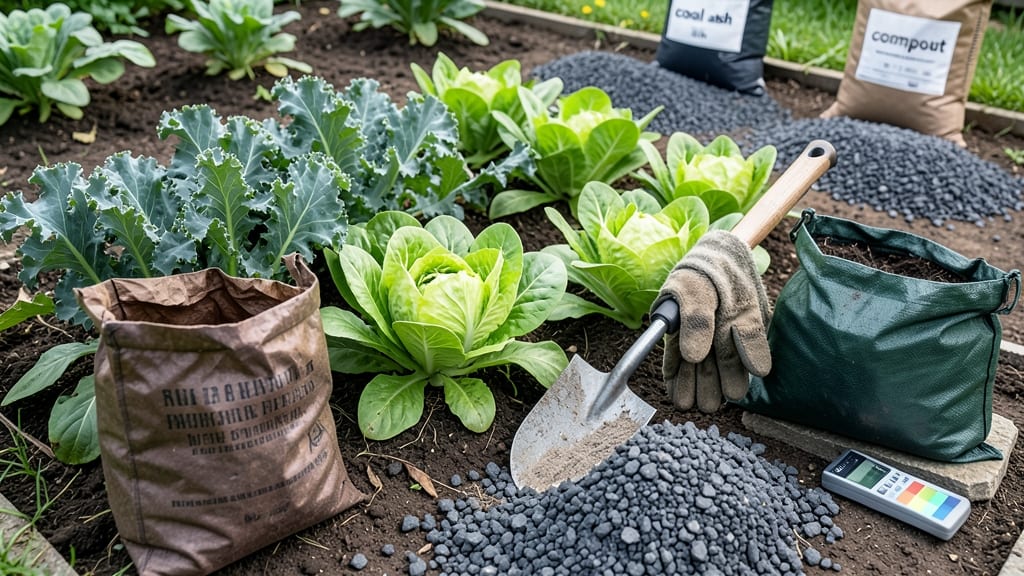
💥 Quick Answer Coal ash is not good for the garden because it contains dangerous levels of heavy metals like arsenic, mercury, and lead, which poison soil and damage plant roots. Instead, use wood ash sparingly or rely…
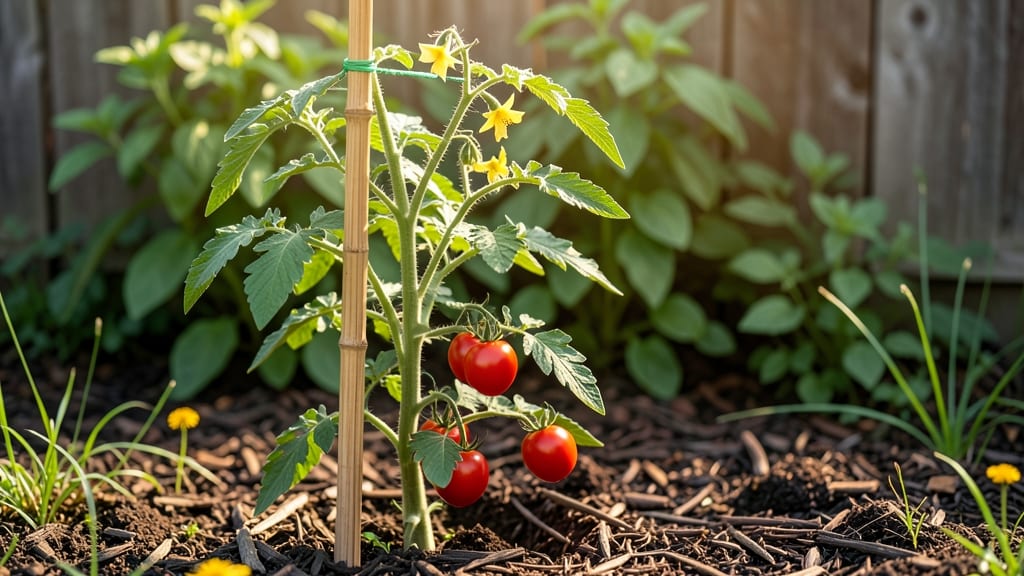
💥 Quick Answer Place tomatoes in garden areas receiving full sun exposure (6-8 hours daily), with well-draining soil and proper spacing (18-24 inches apart for indeterminate varieties, 24-36 inches for determinate). Use…
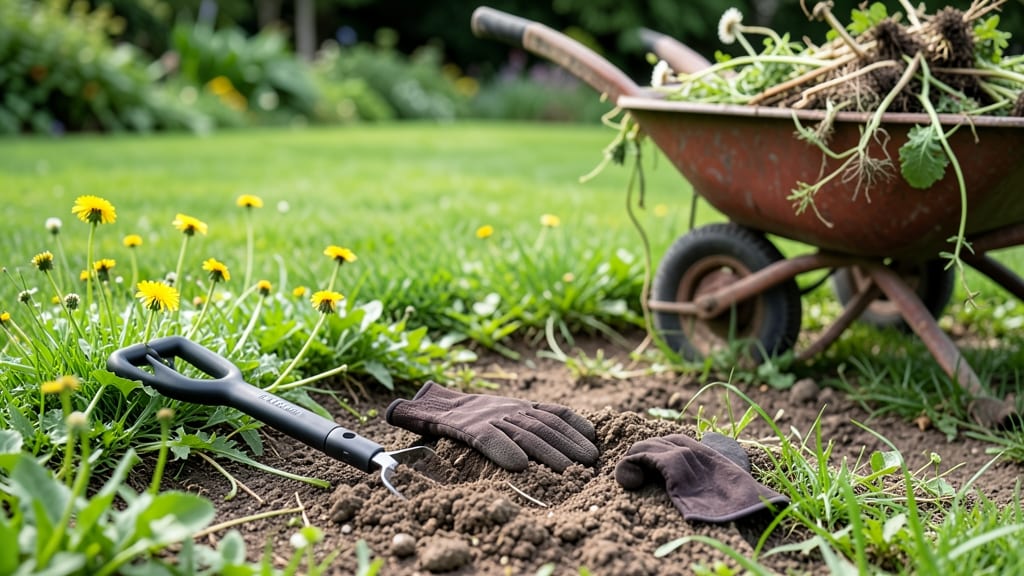
💥 Quick Answer Identifying and removing garden weeds in the UK requires year-round vigilance due to the mild climate, but targeting persistent species like creeping buttercup and bindweed early with manual removal or…
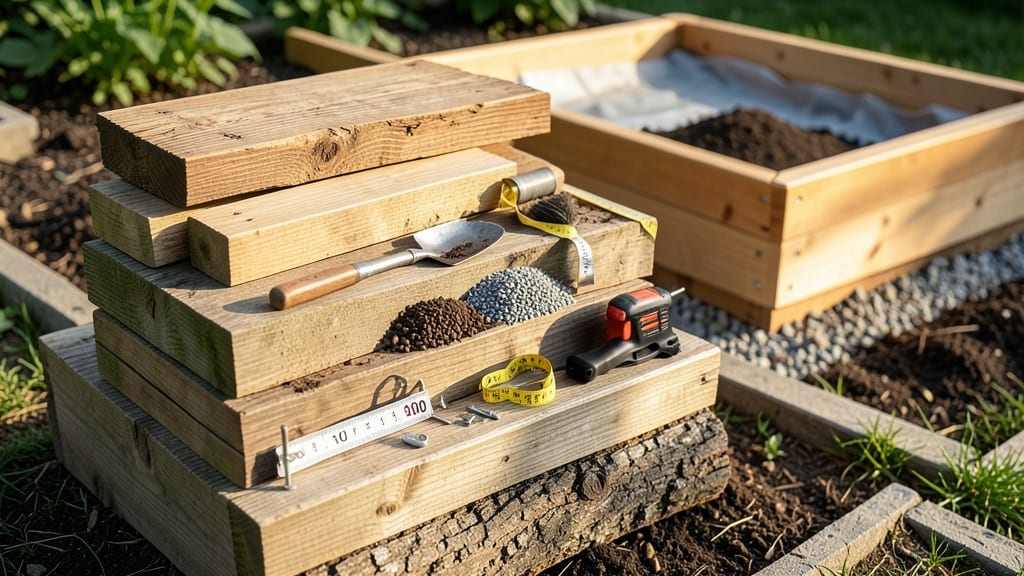
💥 Quick Answer To build raised garden beds, you'll spend between $100 and $1,500+ , with 4x8 ft beds typically costing $150–$500. Your total depends on materials (cedar runs pricier than pine), whether you DIY or hire…
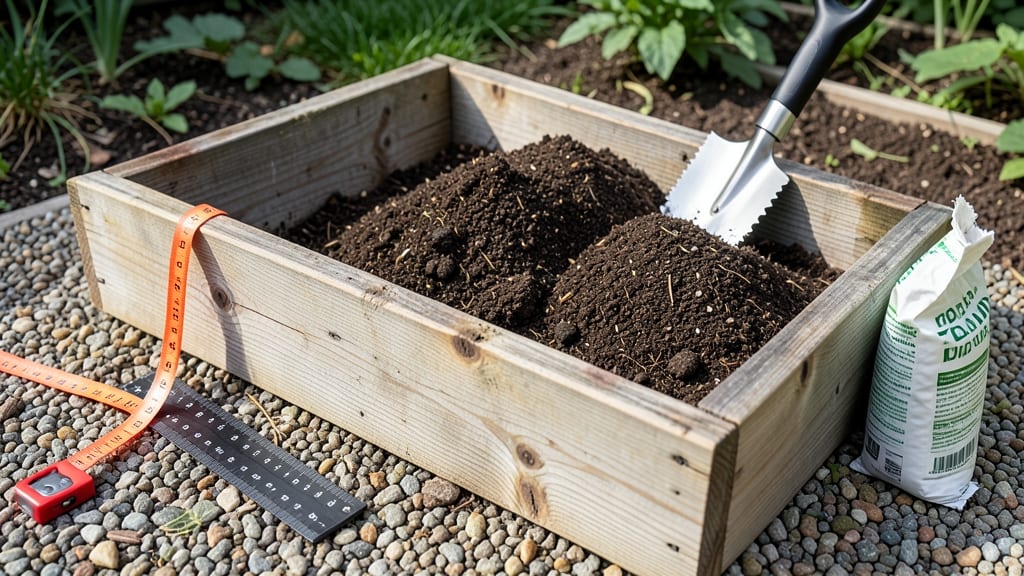
💥 Quick Answer To determine how much soil for a raised garden bed, plan for 6 to 12 inches —6 inches supports leafy greens like lettuce, while 8–10 inches accommodates most vegetables (tomatoes, peppers), and 12+ inches…
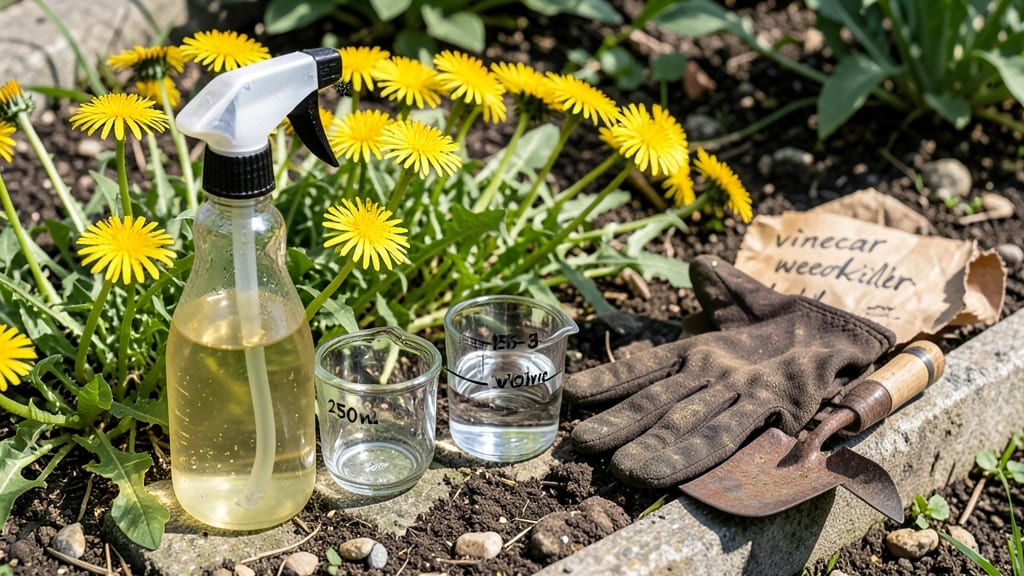
💥 Quick Answer Using vinegar in the garden is a powerful way to control weeds, deter pests, and adjust soil pH naturally, but you must dilute it properly and apply it precisely to protect plants and soil microbes…
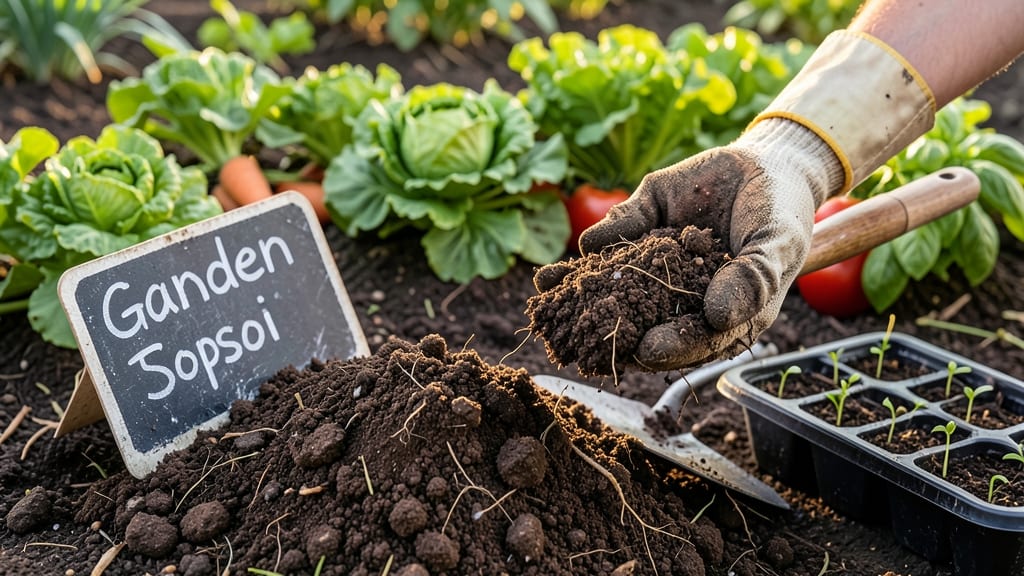
💥 Quick Answer Garden soil is used for supporting plant growth by providing essential nutrients, aeration, and moisture retention while improving drainage and root development in flower beds, vegetable gardens, and…
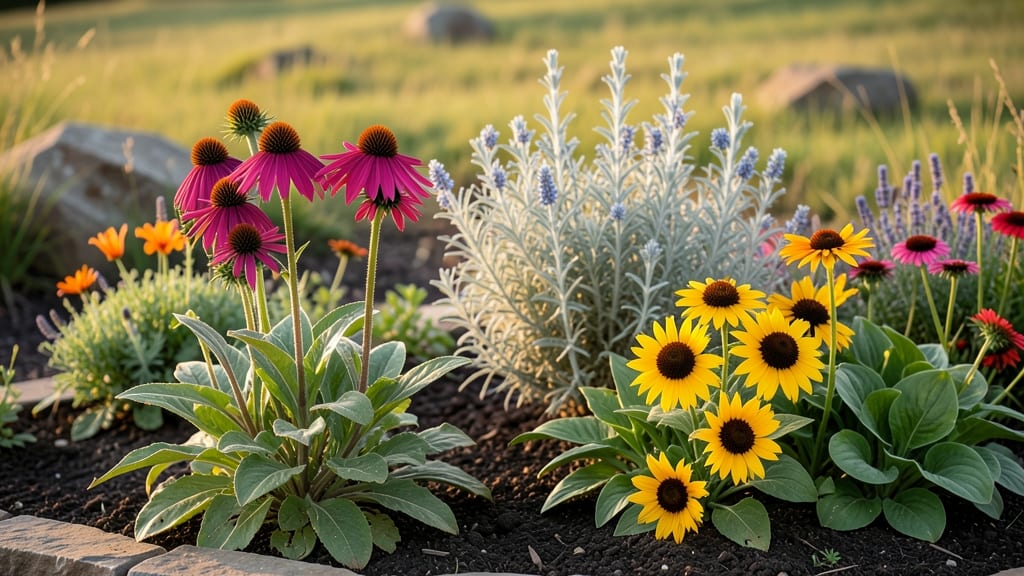
💥 Quick Answer A perennial garden in zone 5 thrives with cold-hardy plants like coneflowers, hostas, and lavender, planted in early spring or fall to avoid frost damage. Focus on species that survive winter temperatures…
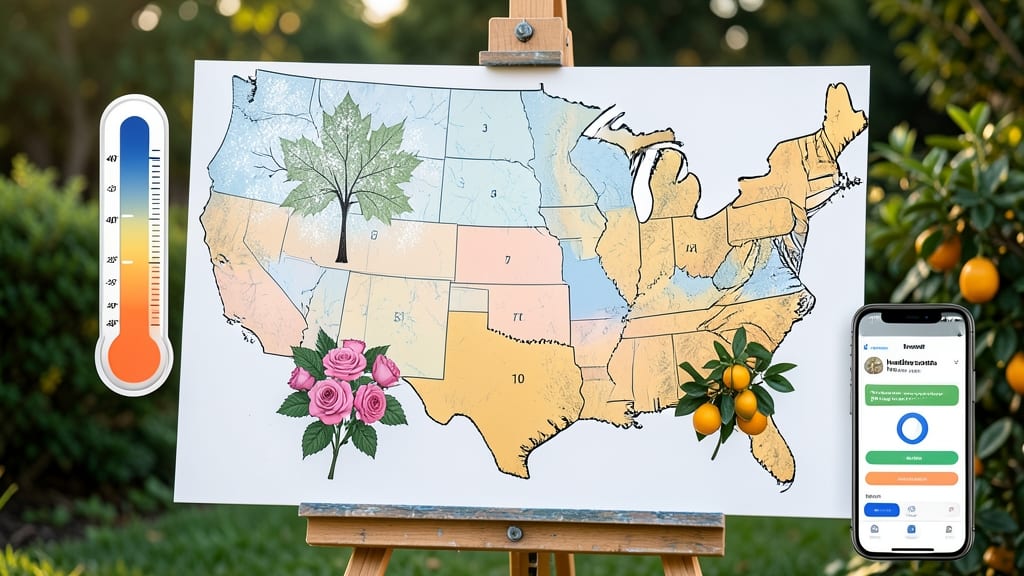
💥 Quick Answer Gardening zones mean climate regions numbered 1-14 that classify average annual minimum temperatures, helping you pick plants that survive your area's frost levels. The USDA Plant Hardiness Zone Map is…
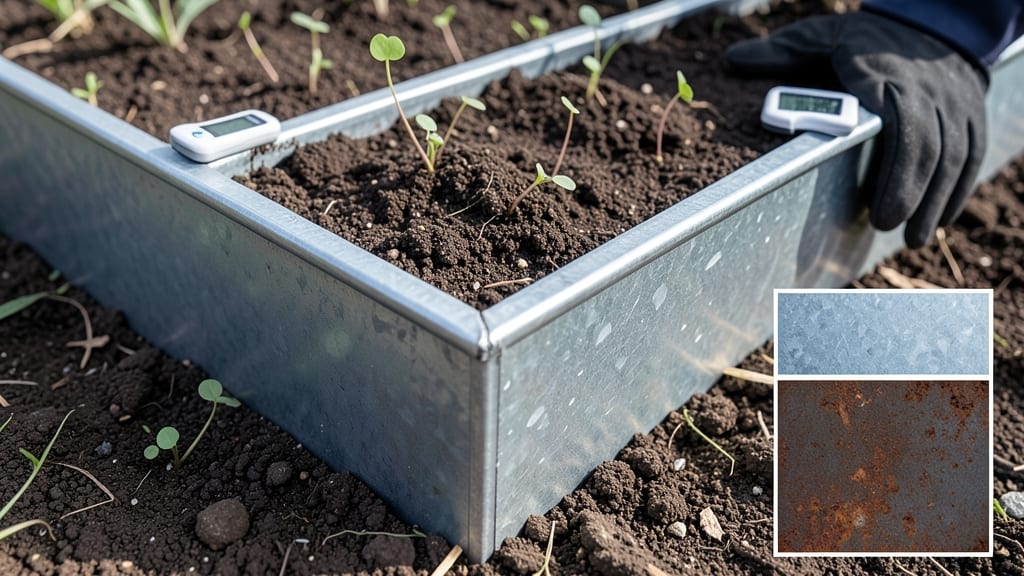
💥 Quick Answer Are galvanized garden beds safe? They may pose risks due to zinc toxicity from leaching, which can harm plants and soil over time, especially in acidic conditions. Opt for plant-safe liners like…