
Tools
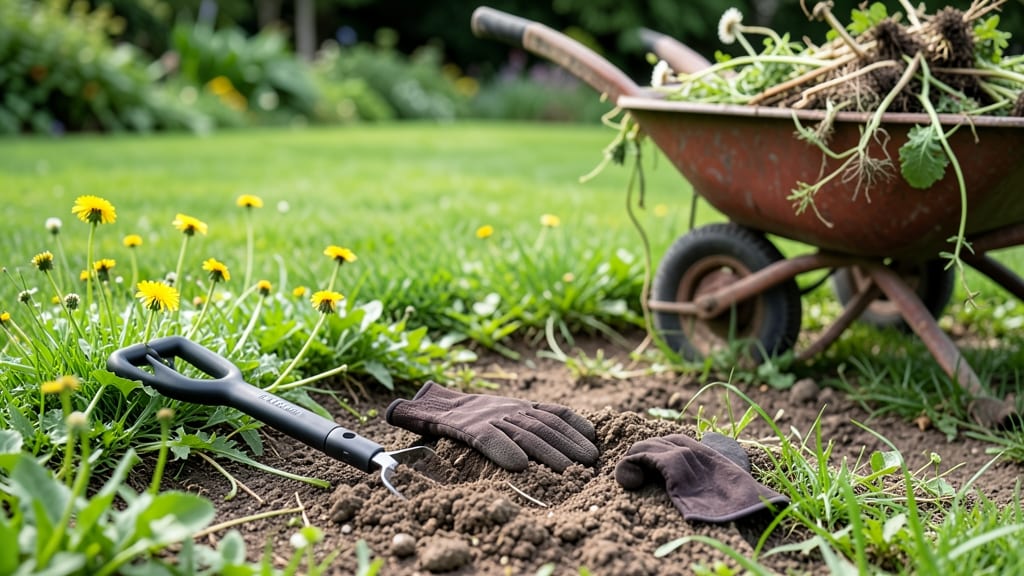
Identifying and removing garden weeds in the UK requires year-round vigilance due to the mild climate, but targeting persistent species like creeping buttercup and bindweed early with manual removal or selective herbicides stops them from stealing nutrients and space from your plants. Organic methods such as mulching, hoeing, and vinegar treatments work well when applied seasonally.
UK gardens face a unique challenge with weeds that grow aggressively in both wet and mild seasons. 🌱 The key to effective control lies in understanding each weed's life cycle—some, like chickweed, thrive in cooler months, while others, such as ground elder, dominate in summer.
I’ve found that combining physical removal (like hand-pulling with a fork) with natural suppressants (like corn gluten meal) gives the best long-term results without harming soil health.
Seasonal timing matters too. For example, spring is ideal for smothering weeds with thick mulch, while autumn’s cooler temps make it easier to dig out deep-rooted invaders like dandelions. The UK’s unpredictable weather means flexibility is key—always check the forecast before applying herbicides, as rain can wash them away.
💡 In This Article
- Common UK Weeds and Their Growth Patterns
- Seasonal UK Weed Control Calendar
Common UK weeds and their growth patterns
The UK's temperate climate creates ideal conditions for weeds to flourish, with some species thriving in damp conditions while others dominate in dry spells. Take creeping buttercup, for example—its bright yellow flowers spread aggressively through underground runners that can grow up to 30cm per year.
This weed's shallow root system makes it vulnerable to surface mulching, but its ability to regenerate from tiny root fragments means complete removal requires persistence. 🌿
Ground elder, another persistent invader, produces deep taproots that can penetrate 1-2 meters into the soil, making it nearly impossible to eradicate with shallow cultivation. Its leaves resemble wild garlic but with a stronger, more bitter aroma when crushed.
Bindweed, often mistaken for morning glory, twines aggressively around plants and forms dense mats that smother garden beds. The key to controlling these weeds lies in understanding their growth habits—ground elder spreads via underground rhizomes, while bindweed relies on its extensive root system and seed production.
Seasonal shifts dramatically alter weed dominance. In spring, chickweed and nettles take over, their rapid growth fueled by warming soil and increased moisture.
Chickweed's small white flowers and fuzzy leaves make it easy to spot, while nettles' stinging hairs release formic acid when touched—a natural defense mechanism that also makes them difficult to handle without gloves.
Autumn brings a resurgence of dandelions and docks, which store energy in deep roots during summer and regrow vigorously when temperatures drop. 🍂
Soil type plays a crucial role in weed prevalence. Clay soils, common in many UK gardens, retain moisture longer, favoring weeds like meadowsweet and groundsel. Sandy soils, on the other hand, dry out faster, often leading to an influx of annual weeds like shepherd's purse.
The pH level also matters—acidic soils (pH <6) tend to suppress broadleaf weeds but encourage moss and algae, while alkaline soils (pH >7) favor weeds like fat hen and redshank. Testing your soil's pH can help you choose the most effective control methods.
Visual identification is your first line of defense. Here's a quick guide to spotting common UK weeds:
- Creeping buttercup: Bright yellow flowers, lobed leaves, and sprawling stems that root at nodes
- Ground elder: Heart-shaped leaves with a strong garlic smell, purple flowers in spring
- Bindweed: Arrowhead-shaped leaves, white or pink trumpet-shaped flowers, and twining stems
- Nettles: Jagged leaves with serrated edges and distinctive stinging hairs
- Chickweed: Tiny white flowers, oval leaves with fine hairs, and a low-growing habit
Understanding these patterns helps you time your interventions effectively. For instance, removing weeds before they flower prevents seed production, while targeting deep-rooted species during their active growth phase (spring to early summer) maximizes your chances of success.
The key is consistent monitoring—weeds that seem minor today can quickly overtake your garden if left unchecked. ⚡