
Tools
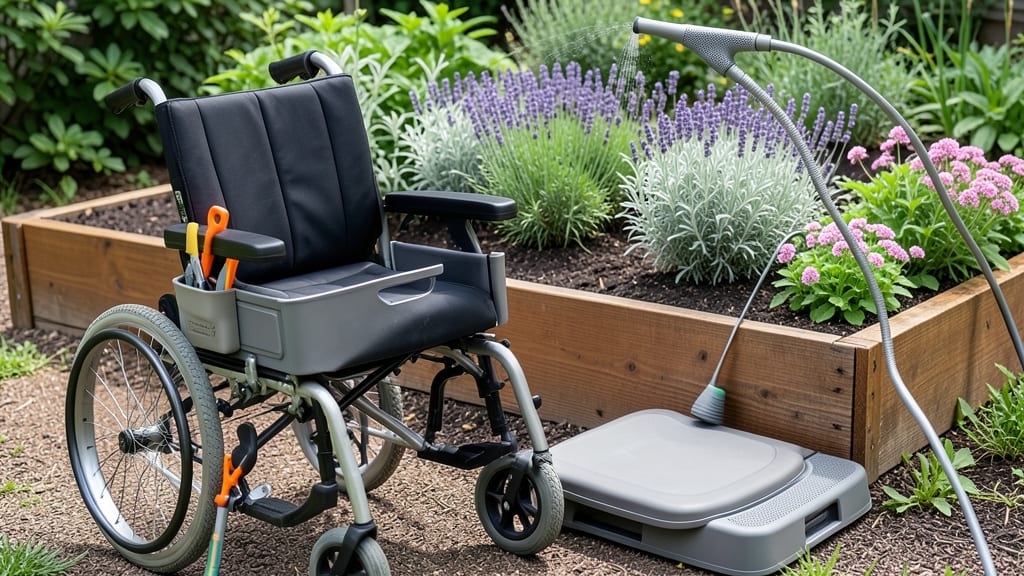
Gardening for people with disabilities transforms outdoor spaces into inclusive, joyful environments through specialized tools and thoughtful design, making it possible to enjoy gardening with greater ease and independence.
Accessible gardening starts with tools designed to reduce physical strain and accommodate diverse needs. Ergonomic grips on hand tools, for example, help those with arthritis or limited dexterity maintain a firm hold, while raised beds eliminate the need to bend or kneel, creating a more comfortable workspace.
Voice-activated irrigation systems also open up gardening to individuals with mobility challenges, allowing them to control watering schedules effortlessly. The key is pairing the right equipment with a garden layout that prioritizes accessibility—whether that means wider pathways, adjustable-height workstations, or plants with fragrant leaves for sensory engagement. 🌿
Many people assume gardening with disabilities requires significant compromise, but the opposite is true: adaptive solutions often enhance the experience for everyone. For instance, lightweight containers make it easier to move plants around, while sensory-friendly selections like lavender or mint provide both beauty and therapeutic benefits.
The goal isn't just functionality—it's creating a space where gardening feels empowering, regardless of physical limitations.
💡 In This Article
- Adaptive Gardening Tools for Accessibility
- Designing an Accessible Garden Layout
Adaptive gardening tools for accessibility
Adaptive gardening tools work by addressing specific physical challenges through innovative design. For example, long-handled pruners with extended shafts (up to 24 inches) allow gardeners to trim branches or harvest vegetables without bending or stretching, reducing strain on the back and shoulders.
These tools often feature non-slip grips made from textured rubber or foam, which provide better traction for those with arthritis or limited hand strength. The science behind this is simple: longer handles increase leverage, while ergonomic grips distribute pressure more evenly across the hand, preventing fatigue during extended use.
One-handed seeders and planters are another game-changer, designed with lever-style mechanisms that require minimal finger strength. Some models, like the Fiskars One-Handed Pruners, incorporate a spring-loaded trigger that opens the blades with a gentle squeeze, making them ideal for individuals with limited grip strength or carpal tunnel syndrome.
Voice-activated irrigation systems, such as the Rain Bird Voice-Controlled Sprinklers, take accessibility further by allowing users to set watering schedules through smartphone apps or voice commands, eliminating the need for manual operation.
This technology is particularly beneficial for those with mobility issues or chronic pain, as it removes the physical effort entirely.
Lightweight containers and self-watering planters (weighing as little as 2-5 pounds when empty) are also critical for reducing strain. Traditional clay pots can weigh 20-30 pounds when filled with soil, but modern plastic or composite containers are designed to be 30-50% lighter while still providing adequate drainage.
Some even come with built-in wheel casters, allowing them to be rolled easily across patios or balconies.
The sensory benefits of these tools are equally important: smooth, rounded edges reduce the risk of injury, while adjustable-height trellises (like the Vivohome Adjustable Plant Stand) let users customize their working height to avoid overreaching.
For gardeners with visual impairments, tools like the Braille-labeled seed packets and tactile markers (raised bumps or textured strips) help identify plants by touch. Some adaptive tools even incorporate color-coded handles for quick identification.
The key to selecting the right tools lies in matching them to individual needs—whether that’s prioritizing weight reduction, grip enhancement, or voice control.
Many companies now offer rental or trial programs, so gardeners can test different tools before committing to a purchase, ensuring a perfect fit for their abilities.
Beyond physical adaptations, sensory-friendly tools can enhance the gardening experience. For instance, fragrant herb planters with built-in aroma diffusers allow gardeners to enjoy scents like lavender or rosemary while working, providing both therapeutic and practical benefits.
Tools with vibration alerts (like the Gardena Smart Water Timer) can also notify users when it’s time to water or harvest, reducing reliance on visual cues. The goal is to create a garden where every tool feels intuitive and empowering, regardless of physical limitations.
What most people don’t realize is how these tools can also benefit caregivers or family members assisting with gardening.
For example, a wheelchair-accessible raised bed frame (like the EasyGarden Raised Bed Kit) can be adjusted to sit at 24-36 inches off the ground, making it usable for both seated and standing gardeners.
This dual-purpose design ensures the garden remains a shared space for all, fostering connection and independence. 🌱