
Light Requirements
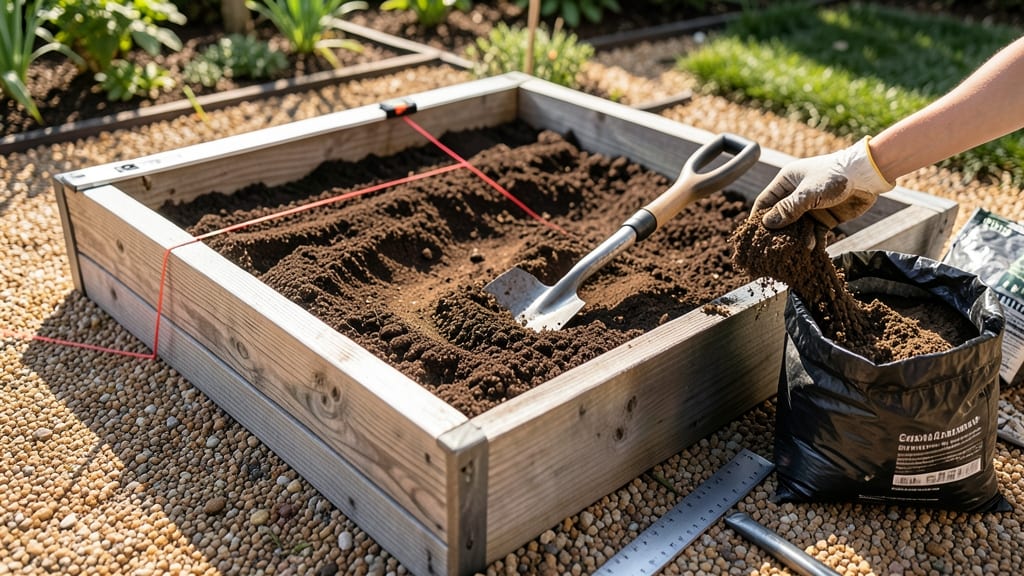
Filling a raised garden bed with the right amount of soil means knowing how much soil to fill it—because too little leaves roots cramped, and too much wastes money and effort.
Picture this: you’ve spent hours building your dream raised bed, only to realize halfway through planting that the soil depth isn’t enough for your tomatoes or potatoes. That’s where this guide comes in—because the perfect depth isn’t one-size-fits-all.
From shallow-rooted herbs that thrive in just 6 inches of soil to deep-rooted vegetables needing 12+ inches, we’ll break down exactly how much soil your raised bed needs based on what you’re growing.
You’ll also learn how to calculate soil volume for your specific bed size, avoid costly mistakes like overfilling, and optimize drainage for healthier plants year-round.
Raised garden bed soil depth requirements by plant type
Getting the soil depth right in your raised garden bed is crucial—it determines whether your carrots grow long or your basil stays stunted. Different plants have unique root systems, and packing the wrong depth means wasted space or struggling crops.
For example, shallow-rooted herbs like basil and parsley thrive in just 6-12 inches of soil, while deep-rooted crops like potatoes need 18+ inches to reach their full potential.
Most raised beds are built to 12-18 inches deep, but this isn’t always enough. If you’re growing asparagus or corn, you’ll need to go deeper—up to 24 inches—or opt for a taller bed.
The key is matching your soil depth to the plant’s mature root zone, not just eyeballing it. Overfilling can lead to compaction and poor drainage, while underfilling leaves roots cramped and nutrient-starved.
Here’s a quick rule of thumb: Measure twice, fill once. Use a tape measure to check your bed’s depth before adding soil. If your bed is only 6 inches deep, it’s perfect for strawberries or lettuce, but you’ll need to supplement with containers for deeper-rooted plants.
Always leave 1-2 inches of space at the top for mulch or top-dressing compost.
| Plant Type | Minimum Soil Depth | Ideal Soil Depth | Notes |
|---|---|---|---|
| Herbs (basil, parsley, chives) | 6 inches | 8-12 inches | Shallow roots; avoid overcrowding |
| Leafy Greens (lettuce, spinach, kale) | 6 inches | 10-12 inches | Fast-growing; rotate crops yearly |
| Root Vegetables (carrots, radishes, beets) | 12 inches | 18 inches | Loose, stone-free soil prevents forking |
| Fruiting Veggies (tomatoes, peppers, cucumbers) | 12 inches | 18-24 inches | Stake or cage plants for support |
| Deep-Rooted Crops (potatoes, asparagus, corn) | 18 inches | 24+ inches | Consider double-layer beds or containers |
| Flowers (marigolds, zinnias, sunflowers) | 6 inches | 10-12 inches | Annuals; replenish soil yearly |
| Perennials (strawberries, rhubarb, asparagus) | 12 inches | 18-24 inches | Long-term investment; amend soil annually |
For herbs and leafy greens, 8-12 inches of soil is usually sufficient, but don’t skip the compost layer at the bottom. Mix in 3-4 inches of compost or well-rotted manure to boost fertility without taking up precious growing space.
If you’re growing tomatoes or peppers, aim for 18 inches—this gives their roots room to spread while keeping the foliage above ground for easy access.
One common mistake is using garden soil straight from the yard, which can compact easily and reduce root growth. Instead, blend 60% topsoil, 30% compost, and 10% perlite or sand for a light, airy mix.
This combination improves drainage and aeration, which is critical for deep-rooted plants. If your bed is only 6 inches deep, consider adding a second layer of soil in a fabric-lined container placed inside the bed.
If you’re layering soil, start with a 2-inch drainage layer of gravel or coarse sand at the bottom. This prevents waterlogging and root rot, especially in clay-heavy soils
How to calculate soil volume for your raised garden bed
Calculating the exact amount of soil needed for your raised garden bed might seem tricky, but it’s all about simple math and understanding your plants’ needs.
A 4-foot by 8-foot bed with 12 inches of soil sounds straightforward, but the real magic happens when you factor in soil mix composition and bulk density. For example, a mix with 30% compost will settle differently than pure topsoil, affecting your total volume.
Start by measuring your bed’s length, width, and depth. Most vegetables thrive in 6–12 inches of soil, while deep-rooted plants like asparagus need 18+ inches. Herbs like basil or thyme only require 6–8 inches, so tailor your depth to your garden’s purpose.
Once you know these dimensions, you’re ready to calculate the volume.
Example: A 4’ x 8’ x 12” bed = 32 cubic feet of space.
32 ft³ ÷ 27 = 1.18 cubic yards (base volume).
For custom soil mixes, like my favorite blend of 60% topsoil, 30% compost, and 10% perlite, account for the perlite’s lightweight fluffiness—it adds volume but less weight. Always water your soil after filling to trigger settling before planting.
Pro tip: Use a soil calculator (like those from local nurseries) to double-check. I’ve found mine often underestimates settling in compost-heavy mixes, so I round up to avoid running short. A little extra soil goes a long way in preventing mid-season top-ups!
Once you’ve nailed your soil volume, layer it properly: Start with 2–3 inches of coarse material (gravel or bark chips) for drainage, then add your soil mix in 4-inch layers, tamping lightly between each to prevent air pockets. This method ensures even settling and optimal root growth.