
Tools
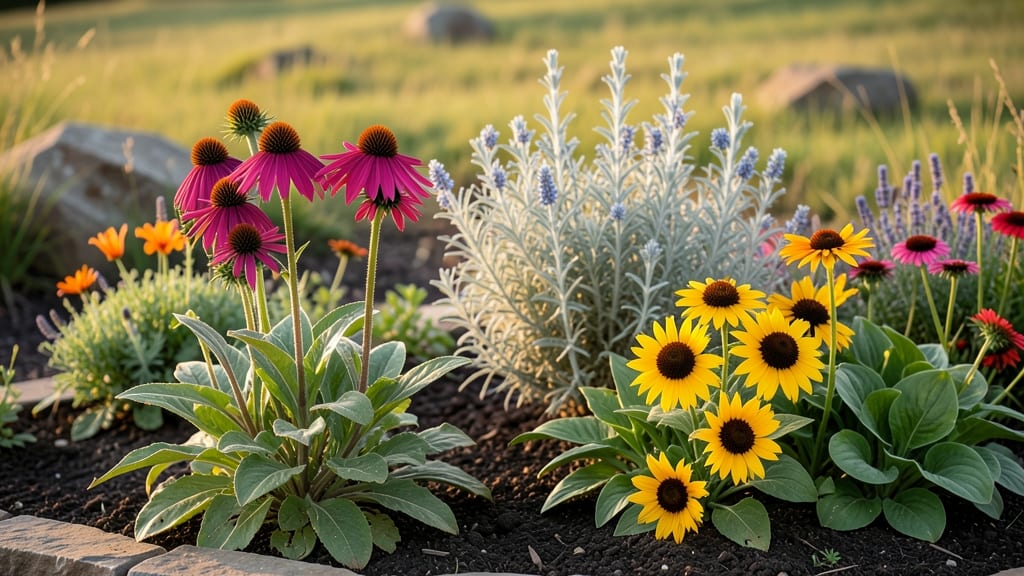
A perennial garden in zone 5 thrives with cold-hardy plants like coneflowers, hostas, and lavender, planted in early spring or fall to avoid frost damage. Focus on species that survive winter temperatures down to -10°F to -20°F for year-round beauty.
Creating a thriving perennial garden in zone 5 means choosing plants that can handle freezing temperatures while still delivering vibrant blooms. 🌿 The key is planting during the shoulder seasons—early spring or fall—when soil temperatures are stable but not yet extreme.
This timing gives roots time to establish before winter dormancy kicks in, which is especially crucial for zone 5's unpredictable frost cycles.
Beyond timing, soil preparation matters just as much. Amending with organic matter improves drainage and insulation, protecting delicate roots during temperature swings.
Mulching with 3-4 inches of straw or shredded leaves after planting creates a protective barrier that regulates soil temperature and retains moisture—critical for perennials that might struggle with zone 5's short growing season and potential late frosts.
💡 In This Article
- Understanding Zone 5 Climate and Perennial Survival
- Top 15 Cold-Hardy Perennials for Zone 5 Gardens
Understanding zone 5 climate and perennial survival
Zone 5's climate presents a unique challenge for perennials: temperatures can swing from 90°F in summer to -20°F in winter within months. This extreme fluctuation forces plants into dormancy—a survival mechanism where metabolic activity slows dramatically.
The critical trigger is consistent sub-freezing temperatures (below 32°F) for 2-3 weeks, which signals roots to store energy and protect delicate tissues. 🌱 Without proper preparation, even hardy plants can suffer frost heave (when soil freezes and expands, lifting roots) or desiccation from winter winds.
The first frost date in zone 5 typically arrives between mid-October and early November, while the last frost lingers until mid-May, leaving only about 150 frost-free days. This short window demands perennials with rapid early growth to capitalize on spring warmth.
For example, hostas emerge from dormancy as soon as soil reaches 50°F, while coneflowers wait until 55°F to avoid frost damage. Soil temperature matters more than air temperature—roots stay active until the ground freezes solid.
Moisture retention becomes equally critical. Zone 5's low humidity and high evaporation rates in summer can dry out soil quickly, while winter's frozen ground prevents replenishment.
Mulch acts as a thermal blanket: 3-4 inches of organic material (like wood chips or straw) insulates roots from temperature swings and maintains soil moisture.
Without this protection, perennials risk root rot from spring thaws or freeze damage from winter winds. 💫 The ideal mulch also breaks down slowly, enriching the soil with nutrients over time.
Light conditions add another layer of complexity. Zone 5 gardens often have partial shade from mature trees, which creates microclimates where perennials experience milder winters. For instance, heuchera (coral bells) thrives in dappled shade and handles -30°F temperatures, while black-eyed Susans need full sun to bloom reliably.
Choosing plants that match your garden's light patterns ensures they'll survive the climate's extremes while still delivering seasonal interest.
Seasonal care adjustments make all the difference. In early spring, avoid heavy watering until soil warms above 45°F—cold water shocks dormant roots. Summer requires deep watering (1-2 inches per week) to encourage deep root growth before winter.
And in late fall, cut back dead foliage only after the first hard frost (around 20°F
Consider these key factors when selecting perennials: