
Planting
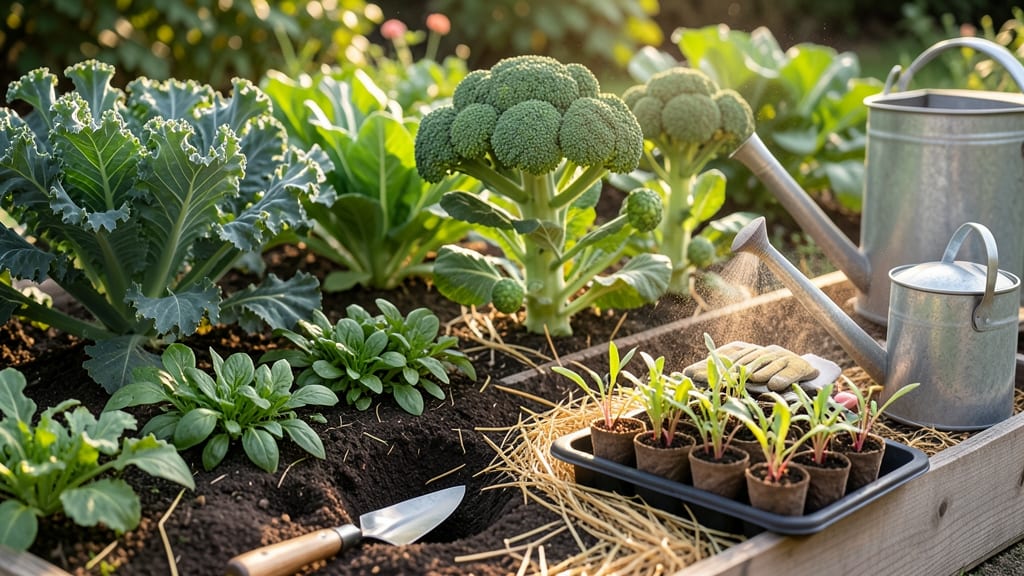
Planting a fall garden in Zone 7 starts 4 to 6 weeks before your first frost—typically mid-August to mid-September—when soil is still warm enough to support fast-growing crops 🥬.
Missed your spring planting window? Don’t worry—Zone 7 gardeners can still grow a thriving fall harvest with the right timing. Plant too early, and frost will ruin your crops; too late, and yields suffer.
This guide breaks down the exact frost-date timeline for cool-season vegetables, herbs, and flowers, so you can choose the best varieties and planting methods for your region.
You’ll learn how to extend your harvest season, pick the fastest-maturing crops, and avoid common mistakes that cut yields short.
Zone 7 fall planting timeline: exact dates for frost-resistant vegetables
Fall gardening in Zone 7 is all about timing—plant too early, and your crops bolt or rot; too late, and frost steals your harvest. With an average first frost date between October 15–November 15, your window is tight but doable.
The key is planting 4–6 weeks before frost for most cool-season crops, ensuring they mature before winter arrives. Let’s break down the exact month-by-month schedule for frost-resistant vegetables, so you can plan with confidence.
Start by preparing your soil in late July—amend with compost and ensure good drainage. Then, focus on fast-maturing varieties (30–60 days to harvest) to avoid early frost. Leafy greens like kale and spinach can handle light frosts, while root crops like carrots and radishes need consistent soil temps.
Below, I’ve mapped out the optimal planting dates and harvest windows for your Zone 7 fall garden.
| Crop Type | Planting Window | Days to Harvest | Frost Tolerance | Notes |
|---|---|---|---|---|
| Leafy Greens (Lettuce, Spinach, Kale) | Mid-August to Mid-September | 30–50 days | High (sweeter after frost) | Succession plant every 2 weeks |
| Root Vegetables (Carrots, Radishes, Beets) | Late July to Early September | 25–60 days | Moderate (harvest before hard frost) | Loosen soil to prevent forking |
| Brassicas (Broccoli, Cabbage, Brussels Sprouts) | Early August to Mid-September | 50–90 days | Very High (tolerates light frost) | Start seeds indoors for head start |
| Alliums (Onions, Garlic, Leeks) | Late July to Early August | 60–120 days | High (cold sweetens bulbs) | Plant sets for faster harvest |
| Peas (Sugar Snap, Snow Peas) | Mid-August to Early September | 50–70 days | Moderate (stop growing in frost) | Trellis for vertical growth |
For leafy greens, aim to plant your first batch in mid-August, with succession plantings every 2 weeks until early September. These crops thrive in cooler weather and can even taste sweeter after frost.
For example, spinach planted in late August will be ready to harvest by mid-October, just as temperatures drop. Use row covers to extend your harvest window if frost arrives early.
Root vegetables like radishes and carrots are your fastest options—plant them in late July for a harvest in late August, or try a second planting in early September for a late October harvest.
These crops prefer loose, well-draining soil, so amend your beds with compost before sowing. Avoid planting too close to your first frost date, or you’ll risk stunted growth.
Brassicas like broccoli and cabbage are workhorses of the fall garden. Start seeds indoors in early August and transplant outdoors by mid-August for a harvest in October–November. These plants can handle light frosts and even improve in flavor with cold exposure.
If you’re short on time, opt for fast-maturing varieties like ‘Waltham 29’ broccoli, which matures in just 50 days.
Don’t overlook alliums like onions and garlic—they’re perfect for fall planting in Zone 7. Set out onion sets in late July for a harvest next spring, or plant garlic in
How to extend your fall garden season without risking frost damage
Zone 7 gardeners can enjoy a bountiful fall harvest by using smart strategies to delay frost damage. The key is balancing planting timing, protective covers, and succession planting to stretch your growing season.
Even with cooler temperatures, you can extend harvests by 2-4 weeks with the right approach.
One of my favorite methods is using floating row covers to create a microclimate. These lightweight fabrics trap heat during the day and insulate plants at night, allowing you to grow spinach, kale, and carrots well into November.
For even longer protection, consider a cold frame or low tunnel, which can push harvests into December for hardy crops.
The pros and cons of these methods vary, so let’s break it down clearly:
Extending Fall Garden Season: Pros and Cons
For succession planting, focus on fast-maturing crops like radishes (25-30 days) or bush beans (50-60 days). Plant new seeds every 2-3 weeks starting in early August to ensure a steady supply. This method is perfect for leaf lettuce and spinach, which can be harvested multiple times.
Another trick I swear by is selecting heat-tolerant varieties of cool-season crops. For example, ‘Black Seeded Simpson’ lettuce handles heat better than traditional varieties, allowing you to plant it in late summer for a fall harvest.
Always check seed packets for days to maturity and frost tolerance ratings to avoid common Zone 7 mistakes.
One of the biggest mistakes I see is planting spinach too late—it bolts quickly in warm soil. Instead, opt for ‘Bloomsdale Long Standing’ spinach, which tolerates cooler temperatures better. Pair this with mulching to keep soil temperatures stable and reduce stress on your plants.
With these strategies, you can safely extend your fall garden well past the first frost, ensuring a longer harvest window and higher yields before winter sets in. Start with row covers for quick protection