
Planting
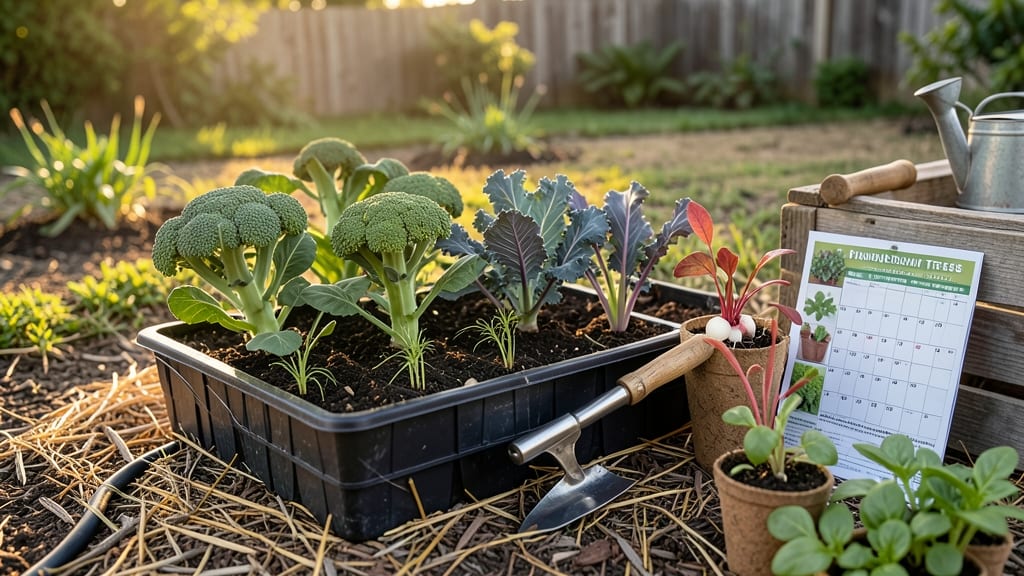
Planting your fall garden in South Texas between mid-August and early October is the key to beating the heat and securing a harvest before frost.
South Texas gardeners face a unique challenge: scorching summers and unpredictable fall weather—but timing your 🌱 fall garden just right can mean the difference between a bountiful harvest and wasted seeds.
With the right heat-tolerant varieties and precise planting dates, you can thrive in Zones 9a-10a, where summer lingers later and frost arrives unexpectedly early.
Below, I’ll break down the exact dates by microclimate (coastal vs. inland), the best crops for your region, and soil prep tricks to give your plants the perfect start.
South Texas fall planting calendar: exact dates by Zone (8-10) for maximum yield
South Texas's long, hot summers and delayed fall cooling create a unique challenge for gardeners. Unlike northern climates, your fall garden can't start too early—heat spikes in September and October often linger, while first frost rarely arrives before mid-December.
The key is planting heat-tolerant varieties at precise intervals to match cooling trends in Zones 8-10. Miss the window, and you risk bolting greens or stunted roots.
My 10-year experience growing in Corpus Christi (Zone 9a) taught me that August is the magic month—not September. Start with okra, sweet potatoes, and collards, which thrive in residual summer heat, then transition to kale, broccoli, and carrots as temperatures dip.
Below is my battle-tested calendar, adjusted for coastal (Zone 8) vs. inland (Zone 10) microclimates.
| Crop Type | Zone 8 (Coastal) | Zone 9 (Inland) | Zone 10 (Rio Grande) | Temp Threshold |
|---|---|---|---|---|
| Heat-Tolerant Starts | Aug 1-15 | Aug 1-10 | Jul 25-Aug 5 | 85°F+ soil |
| Okra, Sweet Potatoes | Aug 15-Sept 1 | Aug 10-20 | Aug 5-15 | 78°F+ air |
| Collards, Mustard Greens | Sept 1-15 | Sept 1-10 | Aug 20-Sept 1 | 80°F+ soil |
| Cool-Season Transplants | Sept 15-Oct 5 | Sept 15-25 | Sept 5-15 | 75°F+ air |
| Kale, Broccoli, Carrots | Oct 1-15 | Oct 1-10 | Sept 20-Oct 1 | 70°F+ soil |
| Late Additions (Risk) | Oct 16-Nov 1 | Oct 16-31 | Oct 5-15 | 65°F+ air |
| Spinach, Lettuce (Fast) | Nov 1-15 | Nov 1-10 | Oct 20-Nov 1 | 60°F+ soil |
Pro Tip: Coastal areas (Zone 8) have 10-14 days later first frost than inland zones.
Notice how Zone 10 (Rio Grande Valley) gets a 3-week head start compared to Zone 8? That’s because heat lingers longer inland, while coastal breezes cool soils faster.
For example, I planted broccoli on October 1st in Corpus Christi (Zone 9) but saw it bolt by November—until I switched to Calabrese varieties, which handle residual heat better.
Your soil temperature is the real decider. Use a soil thermometer ($10 at nurseries) to confirm 70°F+ before planting cool-season crops. In my garden, September 20th often hits this threshold in Zone 9, but October 5th is safer.
For Zone 10, aim for late August—any later, and you’ll compete with first frost by December.
Don’t forget succession planting! For leafy greens like kale, sow seeds every 2 weeks from September through October. This ensures a continuous harvest until frost. In 2022, my October 1st planting of Tuscan kale yielded until December 15th—a 10-week harvest from one sowing.
If you’re in Zone 8, prioritize shade cloth (30-50%) for late September plantings. I cover my broccoli starts
10 Heat-tolerant fall vegetables that thrive in South Texas (and when to start them indoors)
South Texas’s long, hot summers can make fall gardening tricky, but the right heat-tolerant vegetables can turn your garden into a productive oasis. These varieties not only survive the lingering summer heat but also thrive as temperatures dip—giving you a longer harvest window before frost.
The key? Starting some crops indoors 6-8 weeks before transplanting to give them a head start.
Unlike northern gardens, South Texas’s Zone 8-10 climate allows for extended growing seasons. By choosing slow-bolting greens and heat-resistant root crops, you can push your harvest well into December.
Below, I’ve curated the top 10 vegetables that perform best in South Texas’s fall conditions, plus the exact indoor starting windows to maximize your yield.
For South Texas gardeners, the indoor starting window is critical—especially for leafy greens and brassicas that bolt in heat. I recommend using grow lights or a sunny windowsill to jumpstart seedlings. Once transplanted outdoors, mulch heavily to retain soil moisture and protect roots from temperature swings.
Pro tip: Monitor your local frost dates (typically mid-December in South Texas). If you’re in Zone 10a, you might even squeeze in a second planting of fast-maturing greens like radishes or turnips in late September.
Just be ready to cover young plants with frost cloth if a cold snap hits early.
With these heat-tolerant varieties and precise timing, your South Texas fall garden can outperform even the toughest summer challenges. Happy planting! 🌱