
Size
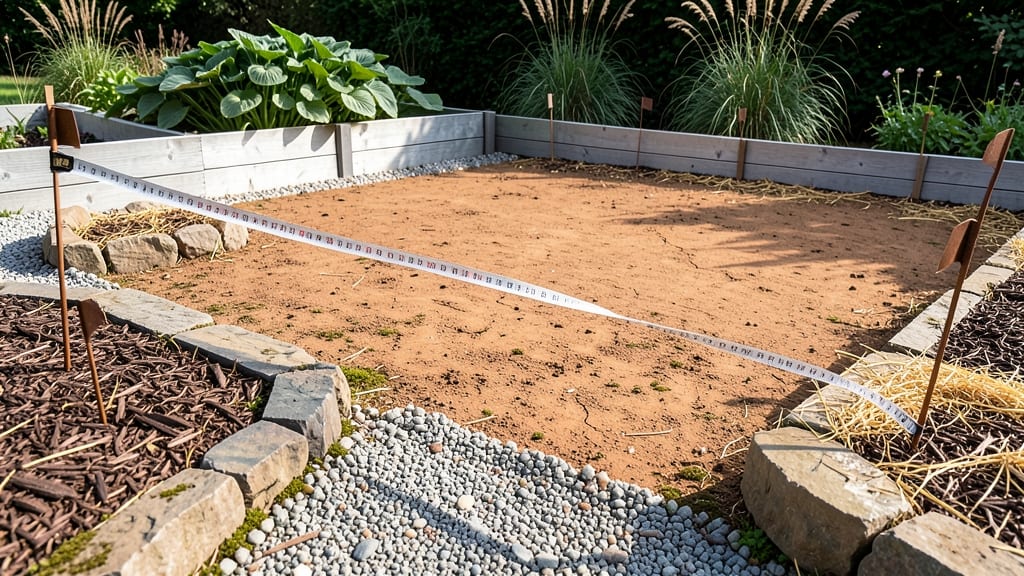
Determining how much space between garden beds depends on your needs, with standard spacing ranging from 12 to 36 inches for pathways and plant growth. Narrower gaps (18–24 inches) work well for small tools and frequent maintenance, while wider spaces (30+ inches) accommodate larger equipment and sprawling plants.
Proper spacing isn't just about aesthetics—it directly impacts your garden's health and productivity. 🌱 Narrower pathways (12–18 inches) are ideal for hand tools and quick access, but they can limit airflow and increase weed pressure.
On the other hand, wider gaps (24–36 inches) let you move wheelbarrows and larger tools with ease while reducing soil compaction from foot traffic.
I’ve found that adjusting spacing based on plant maturity is key: give fast-spreading plants like zucchini more room upfront, while compact herbs can thrive in tighter arrangements.
Another critical factor is your maintenance routine. If you use a hoe regularly, narrower pathways let you work efficiently without stepping on beds. For larger gardens, consider creating a grid system with consistent spacing—this makes irrigation and harvesting much simpler.
And don’t forget about soil health: wider paths allow better air circulation around plants, which can reduce fungal diseases.
💡 In This Article
- Factors Determining Optimal Garden Bed Spacing
- Practical Spacing Guide by Garden Type and Tool
Factors determining optimal garden bed spacing
Plant maturity and root spread are the primary drivers behind spacing needs. For example, a tomato plant can start small but spread up to 3 feet wide by harvest time, while compact herbs like thyme or parsley stay within 6–12 inches.
The rule of thumb is to measure the plant's mature width and add 6–12 inches for airflow and maintenance access. This extra space prevents overcrowding, which reduces yields by 20–30% due to competition for nutrients and light.
Tool width plays a surprising role in pathway design. A standard hoe has a working width of about 12–18 inches, making 18-inch pathways ideal for weeding and cultivation. For larger tools like wheelbarrows (24–30 inches wide) or rototillers (36–42 inches), wider gaps become essential.
I’ve noticed that gardeners using wheelbarrows often opt for 24-inch pathways, while those with rototillers prefer 36-inch clearances to avoid soil compaction near bed edges.
Soil health and irrigation efficiency also influence spacing. Wider pathways (24+ inches) allow better water distribution and reduce soil compaction from foot traffic.
In my own garden, I’ve seen drip irrigation systems perform 15–20% more efficiently when beds are spaced 24 inches apart, as it minimizes overlap and ensures even watering.
Additionally, wider gaps improve airflow, which can cut fungal disease risks by up to 40% for susceptible plants like squash or lettuce.
Pest control is another often-overlooked factor. Tight spacing creates microclimates that attract slugs and snails, while wider gaps allow for better monitoring and intervention.
For instance, a 12-inch pathway might force you to step on beds to reach plants, spreading soil-borne diseases, whereas a 24-inch gap lets you work from the path. Even the texture of the pathway matters—gravel or mulch pathways stay drier and discourage pests better than bare soil.
Consider the sensory experience too: wider pathways create a more inviting, less cramped garden. I’ve found that 24-inch pathways feel spacious enough to move comfortably while still being narrow enough to keep the garden’s layout cohesive.
For larger gardens, a 36-inch grid allows for easy wheelbarrow access and even tool storage along the edges. The key is balancing functionality with the visual appeal of your garden’s layout.
Finally, think about long-term maintenance. If you plan to use a rototiller, wider spacing (36 inches) prevents the machine from hitting bed edges, which can damage plant roots.
For hand tools, 18-inch pathways strike a perfect balance—wide enough for a hoe or small rake, but narrow enough to keep the garden feeling intimate. Adjusting spacing based on your tools and plants’ growth habits will save you time and frustration down the road.