
Landscaping
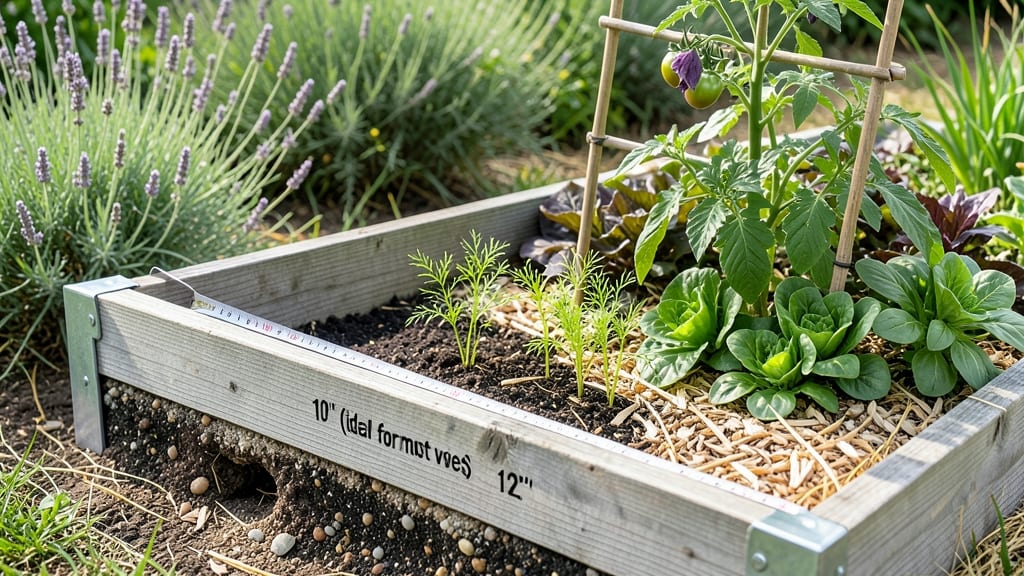
The ideal raised garden bed height depends on what you’re growing and who will use it—because a bed that’s perfect for tomatoes might leave you straining to reach your herbs.
Struggling to decide how high your raised garden bed should be? The right height can mean the difference between thriving plants and wasted space—or even drainage issues that stunt growth.
Too shallow, and your carrots won’t have room to stretch their roots. Too tall, and you’ll spend more time kneeling than gardening. Below, I’ll break down the optimal dimensions for vegetables, flowers, and accessibility, plus how to tweak your design for better drainage and ease of use.
Whether you’re building from scratch or adjusting an existing bed, you’ll learn how to balance root depth, soil volume, and your own comfort—without overcomplicating the project.

Standard raised garden bed height guidelines for root space and plant types
Choosing the right raised garden bed height is one of the first decisions that impacts your garden's success. A bed that's too shallow can stunt root growth, while one that's too tall may create drainage issues or become difficult to maintain.
The ideal height depends on what you're growing and your personal needs, but most gardeners find 6 to 12 inches works best for most plants. This range balances root space, accessibility, and soil volume while keeping construction manageable.
For vegetables and herbs, the standard recommendation is 10 to 12 inches of soil depth. This accommodates deep-rooted crops like tomatoes, carrots, and potatoes while still being manageable for planting and harvesting.
Shallower beds (6 inches) work well for shallow-rooted plants like lettuce, radishes, and herbs, but may limit your options as your garden evolves. Meanwhile, flowers and ornamental plants often thrive in beds that range from 8 to 12 inches, depending on their mature size.
Here's a quick reference to help you visualize the ideal heights for different plant types and their root requirements:
| Plant Type | Root Depth | Recommended Bed Height | Notes |
|---|---|---|---|
| Vegetables (deep-rooted) | 12-18 inches | 10-12 inches | Tomatoes, carrots, potatoes |
| Vegetables (shallow-rooted) | 4-8 inches | 6-8 inches | Lettuce, radishes, herbs |
| Flowers (perennial) | 12-24 inches | 8-12 inches | Daylilies, peonies, coneflowers |
| Flowers (annual) | 4-12 inches | 6-10 inches | Marigolds, zinnias, petunias |
| Herbs | 6-12 inches | 6-8 inches | Basil, parsley, thyme |
| Strawberries | 6-12 inches | 8-10 inches | Allows for runners and mulching |
When planning your raised garden bed height, consider the maturity size of your plants. For example, deep-rooted vegetables like carrots or parsnips need at least 12 inches of soil to develop fully.
If you're growing these, a taller bed (12 inches or more) will prevent roots from hitting the bottom of the bed and becoming restricted.
On the other hand, shallow-rooted greens like spinach or kale can thrive in beds as low as 6 inches, making them easier to maintain for beginners.
Another key factor is accessibility. A bed that's 10 to 12 inches tall is ideal for most gardeners because it reduces the need to bend over constantly. This height allows you to work comfortably while still providing ample soil depth for most plants.
If you have mobility challenges or prefer to garden seated, you might opt for a taller bed (18-24 inches), which can be built on a platform or frame to create a more ergonomic setup.
For drainage and soil health, taller beds (12 inches or more) often perform better because they allow for better aeration and reduce compaction. The extra height also gives you more flexibility to layer soil amendments like compost, perlite, or coconut coir to improve drainage and nutrient retention.
Just be sure to avoid beds taller than 18 inches unless you're using a specialized design, as excessively deep beds can become too hot for roots and may require more frequent watering.
If you're unsure where to start, a 10-inch bed is a versatile choice that works well for a wide range of plants. It provides enough depth for most vegetables while remaining manageable for planting, weeding, and harvesting.
You can always adjust the soil mix or add a layer of compost to accommodate specific plants as your garden grows. For instance, if you later decide to grow deeper-rooted crops, you can simply add more soil or compost to the bed.
One common mistake is building a bed that's too shallow to accommodate the plants you want to grow. For example, if you dream of growing heirloom tomatoes but settle for a 6-inch bed, your plants will struggle to reach their full potential.
Always check the mature root depth of your chosen plants before finalizing your bed's height. Most seed packets or plant tags will list this information, making it easy to plan ahead.
Finally, don’t overlook the importance of materials and construction when determining height. Wooden beds, for example, are typically built to a standard height of 6 to 12 inches, while metal or composite beds can be customized to your exact needs.
If you're using untreated wood, keep in mind that the bed will naturally decompose
How raised garden bed height affects drainage and soil quality
Choosing the right raised garden bed height isn't just about aesthetics—it directly impacts drainage efficiency and soil quality. Too shallow, and roots struggle; too deep, and moisture becomes trapped.
The ideal height balances these factors while accommodating your plants' needs. Let's break down how height influences these critical aspects of your garden's health.
For most vegetables and herbs, a 6- to 12-inch height provides enough soil volume for root development while allowing excess water to drain away. Shallower beds (under 6 inches) risk poor drainage, leading to root rot in heavy clay soils.
Meanwhile, beds taller than 18 inches may create moisture pockets at the bottom, stifling root growth and reducing oxygen flow to the soil.
Soil aeration improves with moderate heights because taller beds allow for better air circulation near the surface. This is especially important for root crops like carrots or potatoes, which need loose, well-oxygenated soil to develop properly.
However, if your bed exceeds 18 inches, consider adding perforated drainage pipes at the bottom to prevent waterlogging in the lower layers.
Temperature regulation also shifts with height. Taller beds (18+ inches) retain heat better in spring, giving a 2-3 week head start for warm-season crops like tomatoes or peppers. Conversely, shallower beds cool faster in fall, extending the growing season for cool-weather greens like kale or spinach.
If you live in a USDA Zone 5 or colder, taller beds can be a game-changer for early planting.
To fix drainage issues in existing beds, start by adding a 2-inch layer of gravel or coarse sand at the bottom before filling with soil. For shallow beds, mix in compost and perlite to improve water retention without compacting roots.
Regularly check moisture levels—if water pools after rain, your bed may need a height adjustment or better drainage materials.
Remember, the best height depends on your climate, soil type, and plant choices. Experiment with small test beds if you're unsure, and don’t forget to mulch! A 2-inch mulch layer helps regulate soil temperature and reduces evaporation, making your bed’s height work even harder for you. 🌱