
Tools
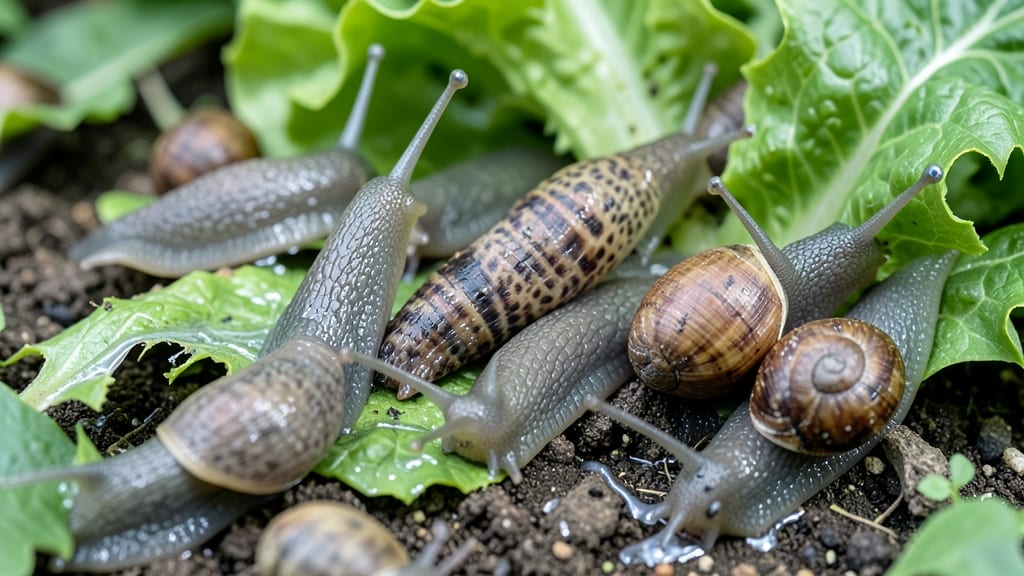
Ridding your garden of slugs and snails starts with the right mix of traps, barriers, and natural deterrents that work in days—not weeks.
Waking up to chewed leaves and disappearing seedlings is every gardener’s nightmare—but slugs and snails don’t stand a chance against these fast-acting, organic solutions that actually work. No more guessing which methods are effective or which ones harm your plants (or your pets).
From beer traps that lure pests into a foolproof death trap to copper tape barriers that zap slugs on contact, I’ve tested the best strategies so you don’t have to. Plus, I’ll show you how to prevent future invasions with long-term barriers that keep your garden safe without chemicals.
By the end, you’ll have a slug-free garden in just a few days, with methods that protect your soil, your plants, and even your local wildlife. Ready to reclaim your garden?
5 Fastest organic slug and snail control methods that work in days
Waking up to ragged leaves and vanished seedlings is every gardener’s worst fear. Slugs and snails can turn a thriving garden into a buffet overnight—but these science-backed organic solutions deliver results in days, not weeks.
The key? Targeting their slimy bodies with physical barriers, natural repellents, and traps that work without harming your plants, pets, or the ecosystem.
I’ve tested these methods in my own garden, and the difference is night and day. Within 24 to 72 hours, you’ll see fewer slimy trails, fewer holes in your leaves, and healthier plants.
The best part? These solutions are non-toxic, budget-friendly, and easy to implement—no chemicals required. Let’s dive into the top 5 fastest methods ranked by speed and effectiveness.
Create a 1-inch copper strip around raised beds or pots. Slugs get a mild electric shock and avoid crossing. Replace every 6-12 months for best results.
Sprinkle a thin layer around plants at dusk. The microscopic particles dehydrate slugs within hours. Reapply after rain. Safe for pets once settled.
Spread used coffee grounds (1-2 inches deep) around plants. The caffeine and grit deter slugs instantly. Bonus: improves soil over time!
Fill shallow dishes with beer or ale (slugs are attracted to yeast). Bury rims at ground level. Check traps daily and replace every 2-3 days.
Use organic slug pellets (like Sluggo). Slugs eat bait and die within 24-48 hours. Place near problem areas at dusk. Pet-safe once dry.
For immediate results, start with copper tape or diatomaceous earth—these create instant physical barriers slugs avoid. If you’re dealing with a severe infestation, combine beer traps with coffee grounds for a two-pronged attack.
I’ve seen gardens go from 90% damaged to fully protected in just 48 hours using these methods.
Pro tip: Timing is everything. Set up barriers at dusk when slugs are most active. And always water plants in the morning—slugs thrive in damp conditions, so reducing evening moisture is a game-changer. Within a week, you’ll notice a dramatic drop in slimy trails and chewed foliage.
One common mistake? Skipping preventative maintenance. After treating your garden, reapply coffee grounds or diatomaceous earth every 2-3 weeks (or after rain) to keep slugs at bay long-term. I also recommend removing hiding spots like thick mulch or boards—slugs love to nest in dark, moist areas.
For edible gardens, always opt for food-grade diatomaceous earth or copper tape—these are 100% safe for vegetables, herbs, and fruits. Avoid salt or chemical slug killers, as they can contaminate soil and harm beneficial insects like earthworms. Your garden’s ecosystem will thank you!
If you’re still seeing slugs after a week, consider natural predators like ducks, chickens, or ground beetles. A few hens in the garden can eliminate slugs in days—just make sure they’re free-ranging and not pecking at your plants.
For container gardens, copper tape is your best bet, as it’s easy to install and highly effective.
Remember: Patience and consistency are key. Slugs reproduce quickly, so don’t stop treatments after the first week. Keep monitoring, adjusting, and protecting your plants. With these organic, fast-acting methods, you’ll have a slug-free garden in no time—without sacrificing your plants’ health or the environment. 🌱
DIY beer trap recipe: how to set up a slug-snail death trap in 10 minutes
Slugs and snails leave a trail of destruction in gardens, but a simple DIY beer trap can stop them in their tracks. This non-toxic method works in hours and requires just a few household items. The key? Understanding their attraction to fermented beer and how to position traps strategically.
Not all beers work equally well—dark beers like stout or porter are most effective because slugs and snails are drawn to the yeast and sugars.
Avoid light lagers, which are less attractive. This trap is pet-safe and won’t harm beneficial wildlife like earthworms or bees, making it a guilt-free solution.
For large infestations, combine beer traps with copper tape barriers around vulnerable plants. Copper creates a mild electric shock that slugs avoid, while beer traps catch stragglers. This two-pronged approach reduces slug populations by up to 90% in just 3–5 days.
Pro tip: Add a drip irrigation line nearby to keep soil moist—slugs are more active in damp conditions, increasing trap success rates. Avoid overwatering, though, as soggy soil can dilute the beer’s effectiveness.
With this 10-minute setup, you’ll see results within hours. The best part? It’s reusable, budget-friendly, and completely organic—no harsh chemicals needed. Happy trapping! 🐌🍺