
Tools
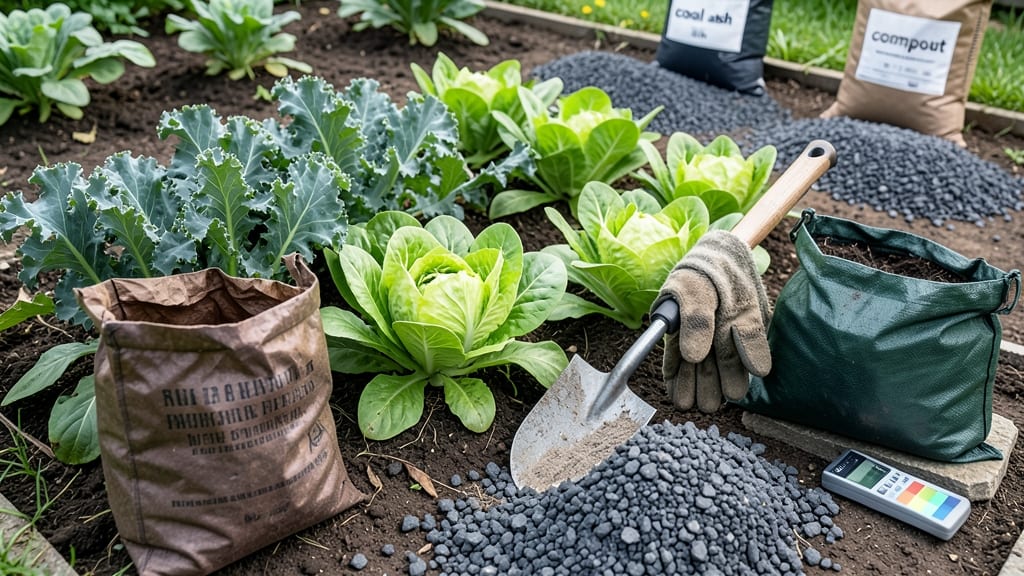
Coal ash is not good for the garden because it contains dangerous levels of heavy metals like arsenic, mercury, and lead, which poison soil and damage plant roots. Instead, use wood ash sparingly or rely on compost and organic matter for safer soil enrichment.
Using coal ash in your garden introduces toxic chemicals that don't just stay in the soil—they get absorbed by plants and can even seep into groundwater over time. 🌱 The Environmental Protection Agency (EPA) warns that even small amounts can build up to harmful concentrations, affecting everything from vegetables to ornamental plants.
I've seen cases where gardeners accidentally used coal ash as a fertilizer, only to later discover their tomatoes or lettuce had elevated metal levels when tested.
For a safer approach, focus on organic amendments like composted leaves, grass clippings, or well-aged manure. These add nutrients without the risk of contamination.
Wood ash can work in tiny amounts (1 pound per 100 square feet) to raise pH slightly, but it must be from untreated wood only—never from painted or chemically treated sources. Always test your soil first to avoid over-amending with any material.
💡 In This Article
- Heavy Metal Risks in Coal Ash for Soil and Plant Health
- Safe Soil Amendment Alternatives to Coal Ash
Heavy metal risks in coal ash for soil and plant health
Coal ash contains dangerous concentrations of heavy metals like arsenic, mercury, and lead—elements that naturally accumulate in coal during its formation over millions of years. When burned, these metals don't disappear; they concentrate in the ash residue.
For example, coal ash can contain up to 100 times more arsenic than normal soil, with levels often exceeding 10 parts per million (ppm), far above safe thresholds for agricultural use. The EPA's soil screening guidelines recommend keeping arsenic below 0.39 ppm for residential gardens.
These toxins don't just sit in the soil—they become bioavailable, meaning plants absorb them through their roots. Studies show that vegetables like lettuce and carrots grown in coal ash-amended soil can accumulate dangerous levels of arsenic in their edible parts.
The mechanism is simple: metal ions displace essential nutrients like potassium and calcium in plant cells, disrupting growth and making plants more vulnerable to disease. 🌱 In severe cases, you might notice stunted growth, yellowing leaves, or even plant death—clear signs of metal toxicity.
The real danger lies in the long-term accumulation. Unlike organic matter that breaks down, heavy metals persist in soil for decades. They can also leach into groundwater, contaminating drinking water sources.
The EPA classifies coal ash as a hazardous waste when disposed of improperly, yet many gardeners unknowingly use it as a soil amendment. Even small applications can create a "time bomb" of contamination that future gardeners will inherit.
What makes this worse is that coal ash's alkaline nature (pH often between 10-12) can actually increase metal solubility in soil. This means the toxins become more mobile and accessible to plants.
Unlike wood ash, which is mostly calcium carbonate and relatively safe in moderation, coal ash's chemical composition makes it uniquely dangerous. The EPA has documented cases where coal ash use led to elevated metal levels in nearby waterways, affecting entire ecosystems.
Here's what happens at the microscopic level: heavy metals bind to soil particles but can be released when soil pH changes or organic matter decomposes. Plants take up these metals through their root systems, where they interfere with critical biological processes.
For instance, arsenic disrupts cellular respiration, while lead interferes with enzyme function—both leading to reduced yields and poor nutritional quality in your produce. 💀
Consider this real-world example: In a 2018 study published in the Journal of Environmental Quality, researchers found that gardens amended with coal ash produced tomatoes with arsenic levels 4 times higher than the FDA's safe limit for infant food.
The metals didn't just stay in the soil—they ended up on our plates. This is why soil testing is crucial before using any amendment, especially when dealing with potentially contaminated materials.