
Tools
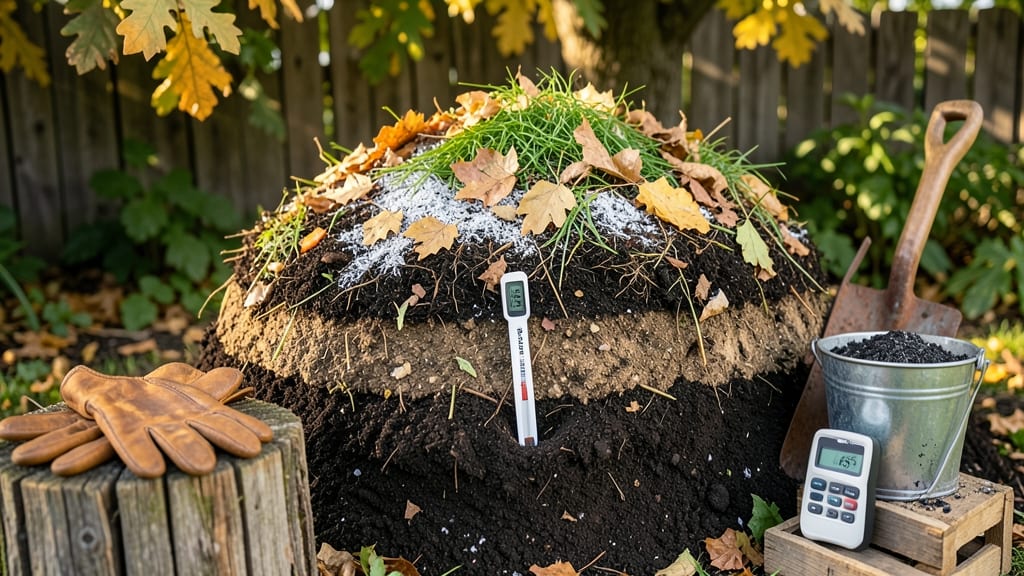
Using wood ashes in garden improves soil pH by raising alkalinity, suppresses weeds with a natural mulch effect, and provides potassium, but must be applied sparingly to avoid over-alkalizing or harming acid-loving plants like blueberries. Always use cooled, untreated ashes and test soil first.
Wood ashes work wonders for garden soil because they're packed with essential nutrients like potassium and calcium while naturally balancing pH levels. 🌱 The potassium boost helps plants develop stronger roots and improves flowering, while the alkaline properties can neutralize overly acidic soil.
However, this isn't a one-size-fits-all solution—it's crucial to monitor your soil's current pH before applying, especially if you grow acid-loving plants. A simple soil test will tell you exactly how much ash your garden can handle without causing damage.
When applying wood ashes, think of it as a fine-tuning tool rather than a heavy fertilizer. A light layer—about 1 pound per 100 square feet—spread evenly over the soil surface works best.
For existing plants, mix it into the top inch of soil rather than piling it around stems, which could burn tender roots. Timing matters too: spring applications help prepare soil for the growing season, while fall applications can provide a slow-release nutrient boost over winter.
💡 In This Article
- How Wood Ashes Affect Soil Chemistry and Plant Growth
- Safe Application Methods for Wood Ashes in Gardens
How wood ashes affect soil chemistry and plant growth
Wood ashes act as a natural soil amendment by releasing potassium (5-10% by weight) and calcium, which directly influence plant metabolism.
When sprinkled on soil, the alkaline compounds—primarily potassium oxide and calcium carbonate—react with acidic hydrogen ions in the soil, raising the pH from 6.0 (slightly acidic) toward 7.0 (neutral) or higher.
This chemical reaction is especially effective in sandy soils, where nutrients leach away quickly, because the alkaline minerals bind to soil particles more effectively than in dense clay soils.
The potassium released from wood ashes plays a critical role in plant energy transfer and water regulation. For example, tomatoes and peppers—both heavy potassium users—show 20-30% larger yields when grown in soil amended with wood ashes compared to unamended soil, according to University of Minnesota Extension studies.
However, the calcium content also hardens soil over time by reducing organic matter breakdown, which can make clay soils even more compact. The microbial activity slows down in highly alkaline conditions (pH 8.0+), limiting beneficial bacteria that help break down organic material.
Not all plants respond equally to this chemical adjustment. Alkaline-tolerant plants like lavender, rosemary, and most vegetables thrive with a slight pH boost, while acid-loving species such as blueberries, azaleas, and hydrangeas suffer from potassium deficiency and nutrient lockout.
The calcium in ashes also competes with magnesium uptake, potentially causing yellowing between leaf veins—a condition called chlorosis—in sensitive plants like tomatoes if overapplied.
Texture matters too: Fine wood ash particles (0.1-0.5mm) disperse more evenly than coarse chunks, creating a mulch-like layer that suppresses weeds by blocking sunlight.
This physical barrier reduces competition for nutrients while retaining moisture, but only works if the ash layer stays less than ¼ inch thick—thicker applications can create a crust that repels water.
The best results come from mixing ashes into the top 2-3 inches of soil rather than leaving them on the surface.
Seasonal timing amplifies these effects. Applying wood ashes in early spring gives nutrients time to integrate before peak growing season, while fall applications provide a slow-release buffer against winter acidification. However, avoid applying ashes within 6-8 weeks of planting acid-loving species, as the lingering alkalinity can persist for months.
Always test soil pH before and after application to avoid overshooting the ideal range of 6.0-7.0 for most garden plants.
One often-overlooked benefit is the ash's ability to neutralize soil toxins. Heavy metals like aluminum and manganese become less available to plants in alkaline conditions, reducing toxicity risks in contaminated soils. This makes wood ashes particularly useful in urban gardens where soil may be polluted by runoff.
Just remember: never use ashes from treated wood, as preservatives like arsenic can leach into the soil and harm plants.