
Advice
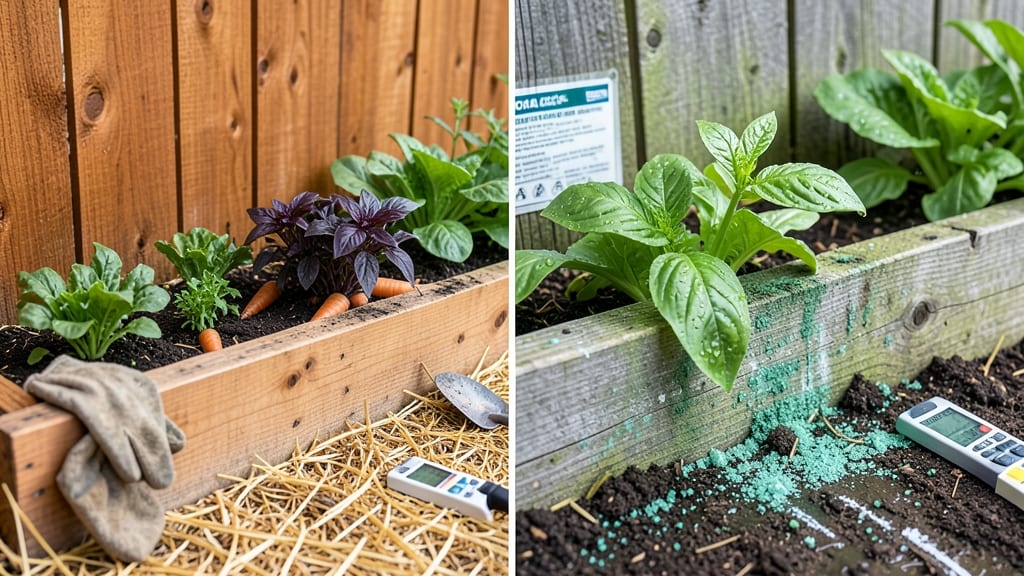
This treated wood is safe for gardens only if you choose the right type—ACQ-treated lumber or naturally rot-resistant woods like cedar or redwood, which minimize chemical leaching risks.
Is treated wood safe for gardens? Chemical-treated wood often contains preservatives that can seep into garden soil over time, potentially harming plants and soil microbes. 🌱 The most concerning are older CCA-treated woods, which contain arsenic—now banned in many regions but still found in older structures.
Even newer ACQ-treated wood releases copper, which can build up in soil and inhibit nutrient uptake. If you're committed to using treated wood, opt for ACQ-treated lumber and avoid placing it directly in planting areas.
For a completely safe approach, consider naturally resistant woods like cedar or redwood, which require no chemical treatments. These options also resist rot and insects better than pressure-treated alternatives. Another eco-friendly choice is composite lumber, though it's less breathable for plant roots.
Always seal untreated wood with natural oils like linseed oil or beeswax to extend its lifespan while keeping your garden chemical-free.
💡 In This Article
- Chemical Risks of Treated Wood in Garden Soil
- Safer Wood Alternatives for Garden Structures
Chemical risks of treated wood in garden soil
Pressure-treated wood contains chemical preservatives designed to resist rot and insects, but these same compounds can leach into garden soil over time. The most dangerous include chromated copper arsenate (CCA), which contains arsenic—a known carcinogen that can accumulate in soil and plants.
Even newer treatments like alkaline copper quaternary (ACQ) release copper, which at high concentrations (200 ppm) can stunt plant growth by interfering with nutrient absorption, particularly phosphorus and zinc. 🌱
The leaching process depends on several factors: soil pH (acidic soils accelerate copper release), rainfall amounts (heavy rain increases runoff), and wood age (older wood leaches faster).
For example, CCA-treated wood can release arsenic at rates of 0.01-0.1 mg/kg/year, while ACQ-treated wood may release copper at 1-5 mg/kg/year—both levels can become problematic in confined garden beds. Soil microbes, which break down organic matter, are particularly vulnerable, as these chemicals disrupt their natural decomposition processes.
Long-term exposure to treated wood chemicals can also affect plant health. Copper toxicity in soil often manifests as yellowing leaves (chlorosis) or stunted growth, while arsenic can cause root damage and reduced yields.
Studies show that vegetables grown near treated wood structures may absorb up to 10% more copper than plants in untreated soil, which could exceed safe consumption limits for home gardens. The Environmental Protection Agency (EPA) classifies arsenic as a Group A carcinogen, making its presence in edible gardens especially concerning.
Another critical factor is the type of wood treatment used. Older CCA-treated wood, still found in pre-2004 structures, poses the highest risk due to arsenic content. Newer ACQ-treated lumber is safer but still releases copper, while MCQ (micronized copper quaternary) treatments are considered the least harmful among chemical options.
The key difference lies in how these chemicals interact with soil—arsenic remains bioavailable for decades, while copper binds more tightly to organic matter but can still reach toxic levels over time.
Visual signs of chemical leaching include discolored soil near wood structures or plants exhibiting unusual growth patterns. For instance, tomatoes near treated wood may develop brown spots on leaves, while herbs like basil might show slowed growth.
These symptoms often appear 6-12 months after installation, as chemicals gradually migrate into the soil. Testing soil pH and metal content with a home kit ($20-$50) can help determine if levels have reached concerning thresholds.
For gardeners using treated wood, the safest approach is to avoid direct contact with planting areas. For example, use treated lumber for raised bed frames but line the interior with untreated wood or landscape fabric.
This creates a barrier that prevents chemical seepage into the growing medium while still providing structural support. The 3-inch rule is a good guideline—keep treated wood at least 3 inches away from direct soil contact to minimize exposure.