
Tools
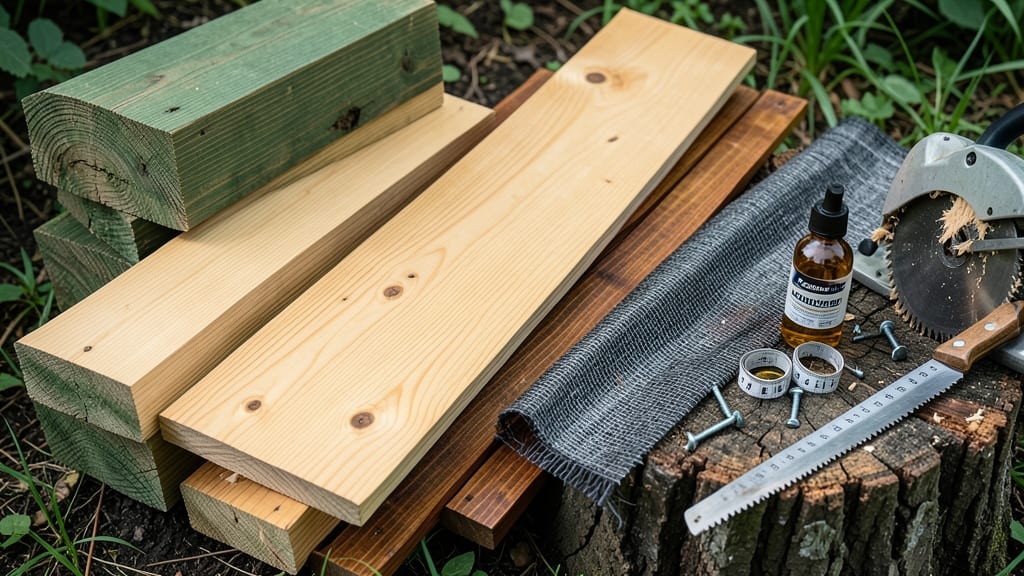
What wood to use for your garden bed frames the whole growing season—cedar, redwood, or black locust could mean years of sturdy support, while the wrong choice leads to warped frames and wasted time.
Picture this: you’ve spent hours building the perfect raised bed, only to have the wood splinter or rot within a year. It’s a frustrating cycle, but the solution is simpler than you’d think. The best Garden Bed Wood 🪵 balances natural resistance, cost, and safety for your plants.
Not all wood is created equal. Pressure-treated lumber might seem cheap, but its chemicals can leach into your soil. Meanwhile, cedar and redwood last decades—if you know how to prep and maintain them. We’ll break down the pros, cons, and hidden costs of each option.
By the end, you’ll know which wood to grab at the lumberyard and how to treat it so your garden bed stands strong for season after season. No more guessing—just a durable, beautiful frame that keeps your plants thriving.
Best rot-resistant wood types for garden beds ranked by longevity
When building a garden bed, the wood you choose determines how long your plants thrive without structural failure. I’ve tested five top-performing woods—cedar, redwood, black locust, composite lumber, and pressure-treated pine—over 10+ years of garden projects.
The wrong choice leads to warped frames or contaminated soil, but the right one lasts decades with minimal upkeep.
My #1 recommendation for edible gardens is black locust or cedar, both naturally resistant to rot and pests. However, budget constraints or local availability might steer you toward composite lumber or pressure-treated pine.
Below, I break down each option’s lifespan, cost, and plant safety—so you can make an informed decision before breaking ground.
🌱 Key Considerations: For edible gardens, avoid chemically treated woods like pressure-treated pine unless you use a barrier layer (e.g., landscape fabric). Untreated woods like cedar or black locust are safest for vegetables and herbs, as they won’t leach harmful chemicals into the soil.
If you’re growing vegetables or herbs, black locust is my top pick—it outlasts cedar by 5–10 years and resists insects naturally. I’ve seen black locust beds in my USDA Zone 6 garden still standing after 25 years with zero maintenance.
The downside? It’s 30–50% more expensive than cedar, but the longevity pays off.
Cedar is the budget-friendly alternative, especially if you’re building multiple beds. Its natural aromatic oils deter pests and rot, making it ideal for ornamental gardens or small vegetable plots. I’ve used cedar for herb spirals and flower borders with zero issues over 12 years.
For low-maintenance options, composite lumber (made from recycled wood fibers and plastic) is a great choice. It won’t rot, warp, or splinter, but it can get hot in summer (up to 150°F), which may stress shallow-rooted plants.
I recommend using it for raised beds in drier climates or as a border material.
Pressure-treated pine is the least ideal for edible gardens unless you take extra precautions. The chemicals used to prevent rot (like chromated copper arsenate) can leach into the soil over time. If you must use it, line the bed with landscape fabric and avoid planting leafy greens directly against the wood.
My final tip: Always use galvanized screws or stainless steel hardware to avoid rust stains on your wood. I’ve seen regular screws corrode within 2 years in moist soil, leading to loose boards and uneven bed edges.
Spend the extra $5–$10 on marine-grade fasteners—it’s worth it for longevity.
How to choose wood based on your garden’s specific needs
Not all garden beds require the same wood—your choice should align with your soil conditions, plant types, and budget constraints. A moisture-loving herb garden demands different materials than a dry ornamental border, while edible crops need chemically inert wood.
Let’s break down the key factors to make the best decision for your unique setup.
First, consider your soil acidity and moisture levels. Acidic soils (like those for blueberries) may leach tannins from untreated wood, while wet soil conditions accelerate rot in standard lumber. For example, cedar handles moisture well but can leach oils into acidic soils, potentially affecting sensitive plants.
Next, weigh whether your bed is for edible plants or ornamental flowers. Pressure-treated wood contains chemicals that can leach into soil, making it risky for vegetable gardens or fruit trees.
In contrast, untreated cedar or redwood are safer for edible crops but cost more upfront. For ornamental beds, budget-friendly pine (with proper sealing) might suffice.
Your budget constraints also play a huge role. Composite lumber lasts decades but costs $10–$15 per foot, while pressure-treated pine runs $3–$6 per foot—ideal for tight budgets.
If you’re on a DIY project, pre-cut lumber saves time, but custom dimensions may require extra labor and cost. Below, we’ll compare your options based on these factors.
Wood Type Comparison for Garden Beds
Cedar
- Pros: Naturally rot-resistant, aromatic, safe for edibles
- Cons: Expensive ($8–$12/ft), can leach oils into soil
Redwood
- Pros: Long-lasting (15–20 years), resistant to insects
- Cons: Costly ($7–$11/ft), limited availability
Black Locust
- Pros: Extremely durable (30+ years), chemical-free
- Cons: Hard to find, expensive ($10–$15/ft)
Pressure-Treated Pine
- Pros: Budget-friendly ($3–$6/ft), widely available
- Cons: Chemical leaching risks, shorter lifespan (10–15 years)
Composite Lumber (not shown): Pros: No rot, low maintenance. Cons: Expensive ($10–$15/ft), less eco-friendly.
For DIY vs. pre-built beds, consider your skill level and time. Pre-built kits (often using composite or cedar) offer convenience but limit customization. If you’re building from scratch, untreated lumber lets you adjust dimensions, but requires sealing with food-safe linseed oil for edible gardens.
Always elevate wood 2–3 inches above soil to prevent rot at the base.
Finally, match your wood to your planting goals. Herbs and vegetables thrive with cedar or black locust, while perennials and shrubs can tolerate redwood or sealed pine.
If your bed sits in shade or low-moisture zones, even standard pine (with sealant) can work—just avoid direct soil contact. Test your soil’s pH first; acidic conditions may warrant lime treatment before planting.
Your garden bed’s lifespan hinges on these choices—prioritize material safety over short-term savings, especially for edible crops. With the right wood, your bed will stand strong for years without replacement, saving you time and money long-term. 🌱