
How To
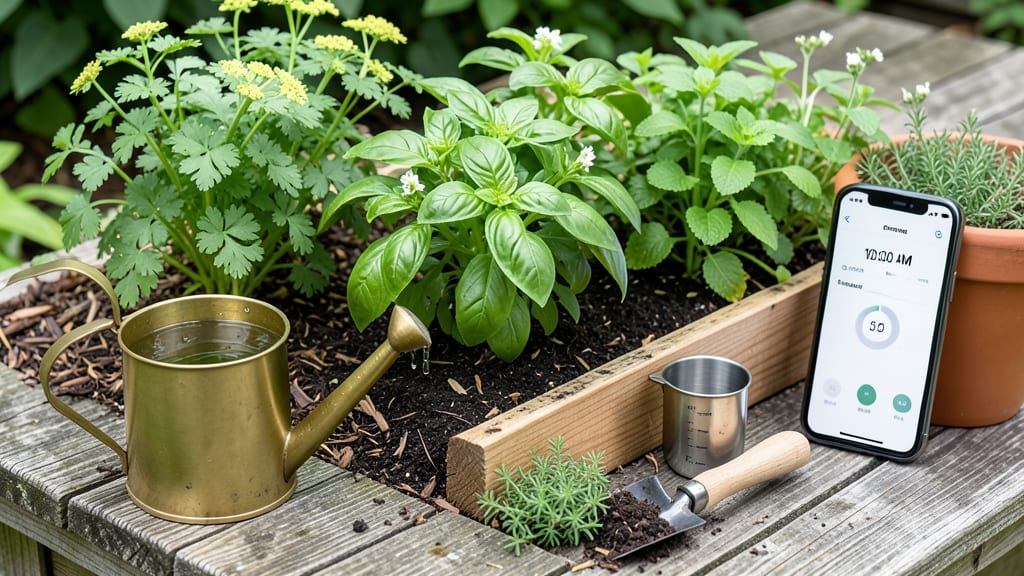
Watering your herb garden too often or too little can turn your 🌿 thriving basil into a sad, droopy mess—yet most gardeners wing it instead of checking the soil.
Overwatering or underwatering your herbs is like playing a game of Russian roulette with their roots. One day your parsley is perky, the next it’s crispy from thirst or drowning in soggy soil.
The truth? Most herbs hate soggy feet and need water only when the top inch of soil feels dry to the touch.
This isn’t about memorizing a schedule—it’s about reading your plants. In this guide, I’ll show you the finger-poke test that saves herbs from wilting, how to adjust for heatwaves or rainy spells, and why some herbs (like rosemary) beg for drought while others (like cilantro) crave moisture.
By the end, you’ll water with confidence, skip the guesswork, and keep your herb garden lush all season—no more sad, wilted relics on your windowsill.
The perfect watering schedule for different herb types (with soil tests)
Watering herbs isn't a one-size-fits-all task—basil and cilantro crave moisture while rosemary and thyme beg for dry spells. The key? Soil tests that reveal when to water, not just how much.
I’ve tested finger-poke and moisture-meter methods for years, and here’s what works best for each herb type, plus seasonal tweaks to keep your garden thriving.
Most gardeners overwater herbs because they assume "more is better." But soggy soil leads to root rot faster than you can say "pesto." Instead, focus on consistent moisture—not drowning.
For example, basil wilts dramatically when thirsty, while rosemary turns yellow if overwatered. The solution? Check soil moisture before grabbing your watering can.
Here’s how I test soil moisture for accuracy: Stick your finger 1 inch deep into the soil. If it feels dry, water. For potted herbs, lift the pot—if it’s light, it’s time.
A moisture meter (like the Xiaomi Mi Flower Care) gives precise readings, but even a simple wooden matchstick works in a pinch. Pro tip: Water in the morning to reduce evaporation and fungal risks.
Seasonal adjustments are critical. In summer heat, herbs like parsley and cilantro may need watering daily, while rosemary and thyme can survive on every 3-4 days.
In winter, cut back to bi-weekly watering unless your herbs are in a heated greenhouse. Mulching with straw or pine needles helps retain moisture without suffocating roots.
Now, let’s dive into the herb-by-herb watering schedule—because not all greens play by the same rules.
| Herb Type | Watering Frequency | Soil Moisture Test | Seasonal Adjustments | Drought Tolerance |
|---|---|---|---|---|
| Basil | Every 1-2 days (daily in heat) | Finger test: Dry top 1 inch | Increase in summer; reduce in winter | Low |
| Mint | Every 2-3 days | Finger test: Dry 1-2 inches deep | Spread roots need consistent moisture | Medium |
| Rosemary | Every 3-4 days (weekly in winter) | Finger test: Dry 2-3 inches deep | Reduce in humidity; increase in drought | High |
| Thyme | Every 4-5 days | Finger test: Dry 2 inches deep | Drought-resistant; water less in winter | Very High |
| Parsley | Every 2 days (daily in heat) | Finger test: Dry 1 inch | Keep soil moist but not soggy | Low-Medium |
| Cilantro | Every 1-2 days | Finger test: Dry top 1/2 inch | Bolts in heat; keep cool and moist | Low |
Notice how drought-tolerant herbs like rosemary and thyme thrive on less frequent watering, while moisture-lovers like basil and cilantro need near-daily attention in summer? The finger-poke test is your best friend here—it’s free, foolproof, and beats guessing.
For potted herbs, I’ve found that terracotta pots dry out faster than plastic, so adjust accordingly.
One mistake I made early on? Ignoring container size. A 6-inch pot of basil dries out in hours on a sunny patio, while a 1-gallon pot might last 3 days.
Upgrade pots as herbs grow—root-bound plants suffer from both underwatering and overwatering. If you see roots circling the bottom, it’s time to repot into something 2-3 inches larger.
For outdoor herb gardens, mulch is non-negotiable. A 2-inch layer of straw or wood chips locks in moisture, reduces weeds, and keeps roots cool. I’ve seen parsley and cilantro last 3
5 Signs your herb garden is thirsty (or drowning)—and how to fix it
Your herb garden might be silently screaming for help—or drowning in your kindness. Yellowing leaves, mushy stems, or crusty soil are red flags most gardeners miss until it’s too late.
The key? Learning to read your plants' visual cues before they wilt or rot. I’ve rescued countless herbs from root rot and drought stress by spotting these early warning signs.
Don’t rely on a watering schedule alone—herbs like basil and parsley need consistent moisture, while rosemary and thyme prefer drier soil. The difference? Tactile tests. Stick your finger 1 inch deep into the soil: if it’s bone-dry, your herbs are thirsty; if it’s soggy, you’re overdoing it.
Let’s fix this before your cilantro turns to mush or your mint bolts for the hills.
💧 How Often to Water Your Herb Garden
- Basil & Parsley: Daily in pots, every 2-3 days in ground (soil should stay moist but not soggy).
- Mint & Cilantro: Every 1-2 days—they hate drying out. Check soil morning and evening.
- Rosemary & Thyme: Every 5-7 days. Let soil dry between waterings—they’re drought-tolerant.
- Oregano & Sage: Weekly watering in summer, bi-weekly in winter. Overwatering kills them faster than drought.
- Emergency Fix: If soil is crusty or moldy, stop watering for 3 days, then repot in fresh, dry soil with perlite.
First sign? Leaf curl or drooping herbs. This usually means underwatering, but check the soil texture—if it’s dry and powdery, your basil or parsley needs a drink. Give them a deep soak in the morning and mulch with straw to retain moisture.
For potted herbs, ensure drainage holes aren’t clogged—root rot from poor drainage is a silent killer.
Next, watch for yellowing leaves, especially if they’re mushy or brown at the edges. This is your overwatering alarm. Root rot starts silently but spreads fast. Pull the plant gently: if roots smell sour or look black, it’s too late to save.
For early-stage rot, trim the black roots, repot in cactus mix, and water sparingly for 10 days. Add a fungicide like neem oil to prevent spread.
White mold or fuzzy growth on soil? That’s powdery mildew or downy mildew, thriving in wet leaves. Prune affected foliage immediately and water at the base, not overhead. Increase airflow by spacing plants 6 inches apart and avoid nighttime watering. For mint or parsley, which love moisture, water early in the day so leaves dry by evening.
If your herb stems feel spongy when pressed, it’s a root rot emergency. Cut back all yellowed leaves, remove the plant from its pot, and rinse the roots in hydrogen peroxide (3%) for 10 minutes.
Repot in sterile soil with sand or perlite to improve drainage. For ground-planted herbs, dig a 1-inch-deep trench around the base to redirect water away from roots.
Prevent future stress with smart watering habits. Use a moisture meter for potted herbs and stick your finger in the soil for in-ground plants. Group herbs by water needs—keep basil and mint together but separate from rosemary and thyme.
And always water deeply but infrequently: 10 minutes once a week beats 5 minutes daily. Your herbs will thank you with bold flavors and lush growth all season. 🌱