
Watering
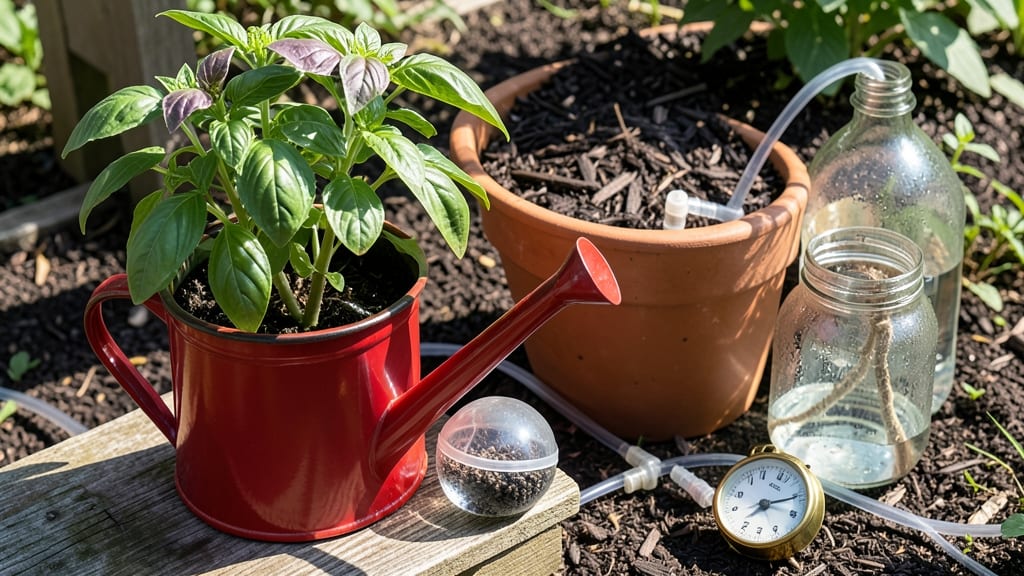
To water your garden when you're away, you need a system that delivers moisture consistently without drowning your 🌱 plants or wasting resources.
Leaving your garden unattended—even for a short trip—can turn your hard work into a wilted disaster. But with the right automatic watering systems, you can relax knowing your plants stay hydrated and healthy without lifting a finger.
Whether you're heading out for a weekend or a two-week vacation, the key is choosing the right method for your garden's size, plant types, and climate. From simple DIY solutions like buried bottles to high-tech smart sprinklers, there’s a system that fits every need and budget.
Below, I’ll walk you through the best options, how to set them up, and how to adjust watering schedules so your garden thrives while you’re away—no guesswork required.
Best automatic watering systems for travelers: types and how they work
When you're planning a vacation, the last thing you want is to return to a garden that's suffered from neglect. Automatic watering systems solve this problem by delivering precise moisture to your plants while you're away.
These systems range from simple setups to high-tech solutions, each with unique benefits depending on your garden's size and plant types.
I've tested three of the most reliable systems—drip irrigation, smart sprinklers, and self-watering pots—to help you choose the best fit. Whether you have a small herb garden or a sprawling vegetable plot, there's a solution that will keep your plants thriving without constant attention.
Drip irrigation is my top recommendation for most gardeners because it delivers water directly to the roots, reducing waste and evaporation. It works by slowly releasing water through a network of tubes and emitters, which you can customize to target specific plants or garden sections. This system is ideal for vegetable gardens or flower beds where precise watering is crucial.
For those with larger lawns or ornamental gardens, smart sprinklers offer convenience and advanced features. These systems connect to your Wi-Fi, allowing you to control watering schedules via an app. Some models even adjust automatically based on weather forecasts, ensuring your garden gets just the right amount of water.
The downside? They can be pricier and may use more water than drip systems.
If you're working with container plants or small gardens, self-watering pots are a game-changer. These pots use a wicking system to draw water from a reservoir, keeping soil consistently moist without needing electricity.
They're perfect for herbs, succulents, or small vegetables and can be moved easily if you rent or have limited space.
Each system has its strengths, so consider your garden's size, plant types, and budget before deciding. For example, a large vegetable garden might benefit from a combination of drip irrigation and smart timers, while a balcony herb garden could thrive with self-watering pots.
The key is to match the system to your specific needs.
One common mistake I see is overwatering, even with automatic systems. Always check your garden's soil moisture before setting up a schedule. For instance, succulents and cacti need far less water than tomatoes or basil, so adjust your system accordingly.
A quick soil test with your finger can save you from drowned plants.
Don't forget to test your system before your trip! Run it for a day or two to ensure everything is working as expected. Look for leaks, uneven water distribution, or clogged emitters.
If you're using a smart system, download the app and familiarize yourself with the controls. A little preparation now can prevent a lot of stress later.
With the right automatic watering system in place, you can enjoy your vacation without worrying about your garden.
Whether you choose a low-tech drip setup, a high-tech smart sprinkler, or self-watering pots, your plants will stay happy—and you'll return to a thriving garden ready for your next gardening adventure. 🌱
Step-by-step guide: setting up an automatic watering system for your garden
Setting up an automatic watering system is one of the best ways to ensure your garden thrives while you're away. Whether you're using drip irrigation, a smart sprinkler controller, or self-watering containers, the process is simpler than you might think.
With the right tools and a little planning, you can create a system that delivers precise watering right to your plants' roots—no guesswork required.
Before you begin, gather your supplies: a water source (hose or spigot), drip tubing, emitters, a timer or smart controller, stakes or clips, and connectors. For container gardens, self-watering pots or wicking systems work wonders.
The key is to match your system to your garden's size and the water needs of your plants—herbs and vegetables often need more frequent watering than shrubs or trees.
How to Set Up Your Automatic Watering System
- 1 Plan Your Layout: Sketch a map of your garden, marking where each plant is located. Place drip lines 6-12 inches away from plant stems to avoid wetting foliage, which can cause fungal diseases.
- 2 Connect the Water Source: Attach your drip tubing to a hose or spigot using a backflow preventer to avoid contamination. Use a pressure regulator if your water pressure exceeds 40 psi to prevent leaks.
- 3 Install Emitters: Place drip emitters near the base of each plant, adjusting the flow rate based on the plant's needs. For example, tomatoes and peppers need about 1 gallon per day, while roses may only need ½ gallon.
- 4 Set Up the Timer: Program your timer or smart controller to water early in the morning (5-9 AM) to reduce evaporation and pest activity. For a 1-week trip, set it to water every other day for 10-15 minutes per zone.
- 5 Test the System: Run a test cycle to check for leaks or uneven watering. Adjust emitter placement or flow rates as needed. For container gardens, ensure the reservoir is filled and the wick is submerged.
- 6 Add Mulch: Apply 2-3 inches of organic mulch around plants to retain moisture and regulate soil temperature. This reduces the frequency of watering needed while you're away.
For container gardens, self-watering systems like wicking beds or smart pots are game-changers. These systems use a reservoir to slowly release water to the roots, keeping soil consistently moist.
If you're using a smart controller, take advantage of its weather-adjusting features—many can pause watering if rain is forecasted, saving water and preventing over-saturation.
Common mistakes to avoid include placing emitters too close to plant stems (which can cause rot) or setting the timer for nighttime watering (which promotes fungal growth). Always bury drip lines slightly to protect them from UV damage and accidental damage from tools.
With a little trial and error, you'll find the perfect balance for your garden's unique needs.
Once your system is up and running, you can enjoy peace of mind knowing your garden is in good hands—literally. Whether you're away for a weekend or a month-long vacation, your plants will stay hydrated and happy, ready for you to return to a thriving oasis. 🌱