
Planting
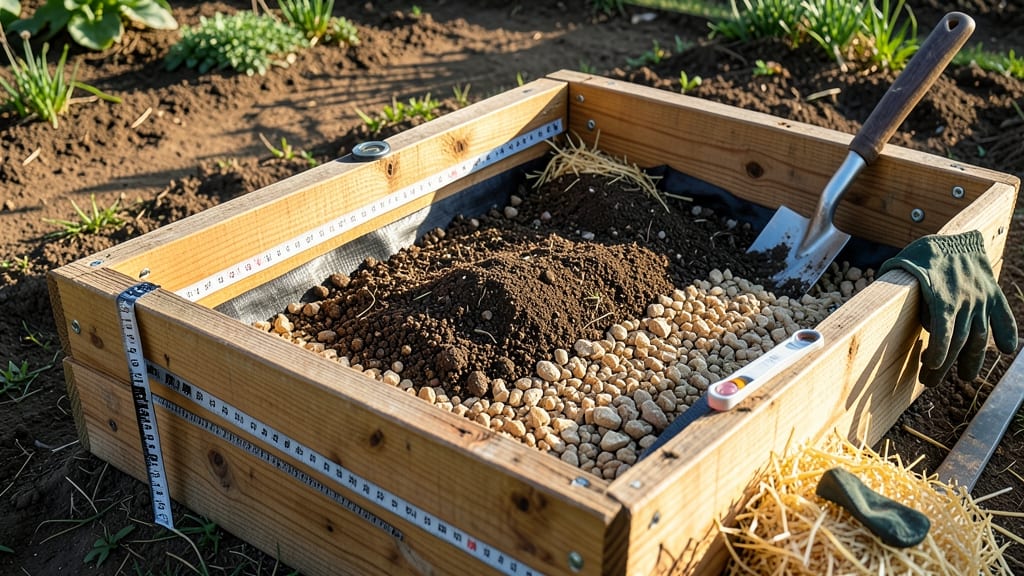
To make raised garden beds deep enough for strong roots and proper drainage, aim for 6 to 12 inches—though the right depth depends on what you’re growing.
Picture this: you’ve spent weeks prepping your soil, choosing the perfect location, and even built your beds with care—only to watch your carrots grow crooked or your tomatoes struggle to thrive. The issue? Not enough depth for their roots to spread and access nutrients.
Whether you’re planting deep-rooted vegetables like potatoes or shallow herbs like basil, the depth of your raised garden bed directly impacts growth, drainage, and even how much soil you’ll need to fill it. Too shallow, and you’ll deal with stunted plants; too deep, and you’re wasting materials and effort.
In this guide, I’ll break down the ideal depth for different crops, how to adjust for soil quality, and the best materials to use—so you get a bed that works as hard as you do. Let’s dig in!
Ideal raised garden bed depth for different plant types
When building raised garden beds, depth matters more than you might think. The right dimensions create the perfect environment for roots to spread, soil to drain properly, and nutrients to cycle efficiently.
I've learned that 6 to 18 inches is the ideal range, but the exact depth depends entirely on what you plan to grow. For example, carrots and potatoes need deep beds to accommodate their long taproots, while lettuce and herbs thrive in shallower spaces.
Let's break down the science behind these measurements so you can design beds that maximize your harvest.
Most gardeners make the mistake of assuming all plants have the same root requirements. In reality, root vegetables like beets and parsnips can grow roots 12 inches or deeper, while shallow-rooted plants like radishes or green onions only need 4 to 6 inches of soil.
Even perennials and flowering plants have specific depth needs. Understanding these differences will help you avoid stunted growth or wasted space in your garden layout. The key is matching your bed's depth to the plants' natural growth patterns.
| Plant Type | Recommended Depth | Root System | Example Plants |
|---|---|---|---|
| Root Vegetables | 12+ inches | Deep taproots | Carrots, Potatoes, Beets, Parsnips |
| Shallow Crops | 6-8 inches | Spread horizontally | Lettuce, Spinach, Radishes, Strawberries |
| Herbs & Greens | 4-6 inches | Compact root zones | Basil, Parsley, Chives, Kale |
| Flowering Plants | 6-10 inches | Moderate depth | Marigolds, Zinnias, Petunias |
| Perennials | 8-12 inches | Established root systems | Asparagus, Rhubarb, Lavender |
For root vegetables, I always recommend a minimum of 12 inches of soil depth. These plants develop long, pencil-like roots that need room to grow downward without hitting the bottom of your bed.
For instance, carrots can reach 16 inches deep when fully mature, so a shallower bed will result in bent or stunted roots. If you're growing potatoes or sweet potatoes, aim for 18 inches to give the tubers plenty of space to expand.
I've found that adding a layer of compost-rich soil at the bottom encourages deeper root penetration.
On the other hand, shallow-rooted plants like lettuce and radishes don't need as much depth. A 6 to 8 inch bed works perfectly for these crops, and it's often more practical for small gardens or container growing.
These plants focus their energy on leafy growth rather than deep roots, so they'll thrive in shallower spaces. I've even grown strawberries successfully in 6-inch deep beds by keeping them well-mulched and watered. The key is to avoid overcrowding, as shallow-rooted plants compete for nutrients in tight spaces.
Herbs are another category where depth matters, but not in the same way. Most culinary herbs like basil, parsley, and chives only need 4 to 6 inches of soil.
However, I've noticed that perennial herbs like rosemary and thyme benefit from slightly deeper beds—around 8 inches
Herbs are forgiving, but they won't tolerate waterlogged soil, so proper drainage is just as important as depth. If you're planning a mixed raised bed, consider creating zones with varying depths. For example, you could dedicate one side of a 12-inch deep bed to root vegetables and the other to herbs and greens. This way, you maximize space without sacrificing growth potential. I've used this approach in my own garden, and it's allowed me to grow everything from deep carrots to shallow radishes in the same bed. Just be sure to group plants with similar water and nutrient needs together to avoid competition. Another factor to consider is soil quality and drainage. Even if your bed is
How to adjust raised bed height for soil quality and drainage
Adjusting your raised bed height isn’t just about fitting your plants—it’s about creating the perfect environment for their roots. The right depth ensures proper drainage, prevents soil compaction, and allows room for nutrient-rich layers.
For most vegetables, 12-18 inches deep is ideal, but herbs and shallow-rooted plants thrive in 6-10 inches. The key is balancing depth with soil composition to avoid waterlogging or nutrient deficiencies.
When building or modifying your raised bed, start by assessing your soil mix. Heavy clay soils benefit from extra depth (18+ inches) to prevent water pooling, while sandy soils can be shallower (10-12 inches) with added organic matter.
Layering materials like cardboard for weed suppression, straw for moisture retention, and compost for nutrients creates a dynamic growing medium that adapts to your plants' needs.
⚠️ ⚠️ WARNING: Common Mistakes That Ruin Your Raised Beds ⚠️ ⚠️
Skipping Soil Layers: Dumping topsoil directly into the bed compacts over time, reducing aeration. Layer with cardboard, straw, and compost to maintain structure and fertility.
Ignoring Bed Height: Beds taller than 2 feet may require extra support and can overheat soil. Shorter beds (6-12 inches) work well for herbs and greens but may limit deep-rooted crops.
For drainage-focused beds, consider adding a perforated landscape fabric over the base before filling with soil. This prevents soil from washing out while allowing excess water to escape.
If your climate is particularly wet, a 1-inch gravel layer (covered by fabric) at the bottom can help, but avoid exceeding this thickness to prevent root suffocation.
To test your bed’s drainage, fill it with water and measure how quickly it drains. Ideal beds should empty in 30-60 minutes. If water pools, add more compost or sand to improve porosity.
For nutrient retention, mix in aged manure or worm castings into the top 6 inches of soil, where most roots will grow.
Don’t forget to account for mulching when planning height. A 2-3 inch layer of mulch (like straw or wood chips) helps retain moisture and suppress weeds but adds to the bed’s effective depth. Plan your bed’s total height to include this layer without overcrowding your plants.
Finally, observe your plants after planting. Yellowing leaves or stunted growth may signal root-bound conditions or poor drainage. Adjust by adding compost or adjusting watering habits. With the right height and soil balance, your raised bed will become a thriving ecosystem for years to come. 🌱