
Tools
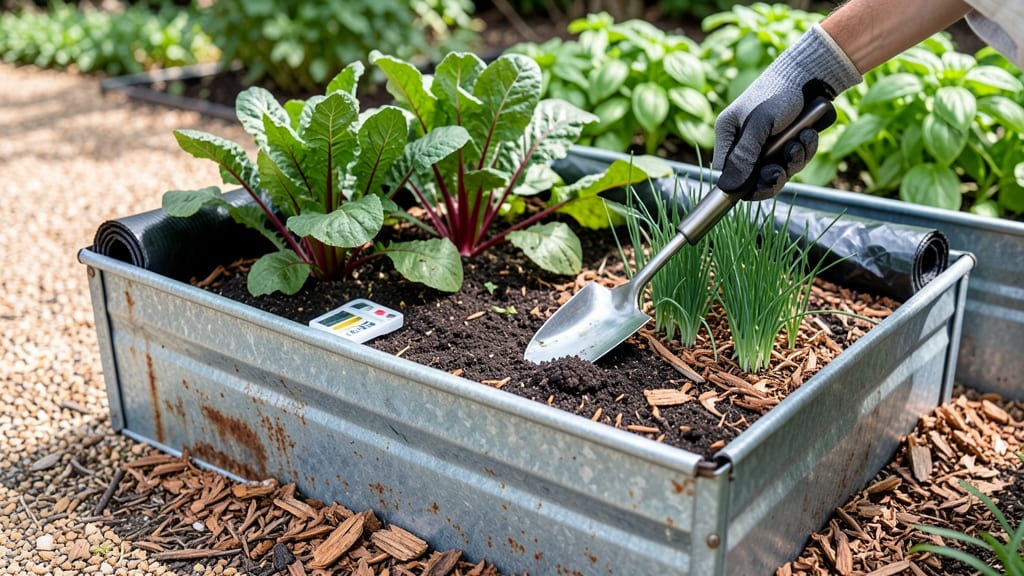
Galvanized steel is not safe for garden beds long-term because zinc and cadmium leach into soil over time, damaging plant roots and potentially contaminating groundwater. Choose untreated steel, stainless steel, or plastic instead.
Galvanized steel's protective zinc coating may seem sturdy, but it gradually erodes when exposed to moisture and acidic soil, releasing toxic metals. 🌱 These contaminants can stunt plant growth by altering soil chemistry and even seep into groundwater, posing risks to ecosystems.
Even if your plants don't show immediate signs of distress, the cumulative effects over years can create an inhospitable growing environment.
For gardeners prioritizing safety, alternatives like stainless steel or recycled plastic lumber offer corrosion resistance without chemical risks. Cedar remains a popular natural option, though it requires periodic sealing to prevent rot.
The key is balancing durability with material integrity—what saves money upfront might cost you more in hidden environmental and plant health consequences down the line.
💡 In This Article
- How Galvanized Steel Corrodes and Releases Toxins
- Safer Alternatives for Raised Garden Beds
How galvanized steel corrodes and releases toxins
The galvanization process coats steel with a layer of zinc to prevent rust, but this protective barrier isn't permanent in garden conditions. When exposed to moisture, acidic soil (pH < 6.5), or temperature fluctuations, the zinc layer begins to degrade through a process called electrochemical corrosion. This happens because zinc acts as a sacrificial anode, dissolving to protect the underlying steel.
Over time, the zinc transforms into zinc oxide and zinc hydroxide, which then leach into the soil as soluble compounds.
What makes this particularly dangerous is the presence of cadmium, a toxic heavy metal often found in trace amounts in galvanized coatings. While modern galvanization uses purer zinc, older materials or those exposed to prolonged moisture can release cadmium at levels harmful to plants.
Studies show that even low concentrations (0.1-0.5 ppm) can inhibit root growth by interfering with nutrient uptake, particularly phosphorus and nitrogen. The process accelerates in acidic soils, where corrosion rates can increase by up to 300% compared to neutral pH conditions.
Plants absorb these metals through their root systems, leading to a condition called bioaccumulation. While some plants may show immediate symptoms like yellowing leaves or stunted growth, others silently accumulate toxins in their tissues.
For example, leafy greens like lettuce or spinach grown in contaminated soil can transfer cadmium into edible portions, posing risks to human health if consumed regularly. The Environmental Protection Agency (EPA) classifies cadmium as a probable human carcinogen when ingested over time.
Visual signs of corrosion often appear first as white or grayish powdery deposits on the steel surface, followed by rust spots. In garden beds, this typically takes 3-5 years under normal conditions but can occur faster in wet climates or with poorly drained soil.
The leaching process doesn't stop at the surface—these metals can migrate 6-12 inches downward through soil layers, potentially reaching groundwater in permeable soils.
Consider this real-world example: A study from the University of Florida tracked galvanized raised beds over five years and found zinc levels 50% higher in soil adjacent to the beds compared to control plots.
The affected plants showed 20-30% reduced biomass, even though no visible toxicity symptoms appeared. This demonstrates how subtle soil contamination can silently undermine garden productivity over time.
For gardeners using galvanized containers, the risk compounds when these metals interact with organic matter. Compost or rich garden soil creates an ideal environment for microbial activity that accelerates metal mobilization, making the toxins more bioavailable to plants.
The key takeaway: What starts as a durable, low-cost material can become an invisible liability in your garden ecosystem.