
Advice
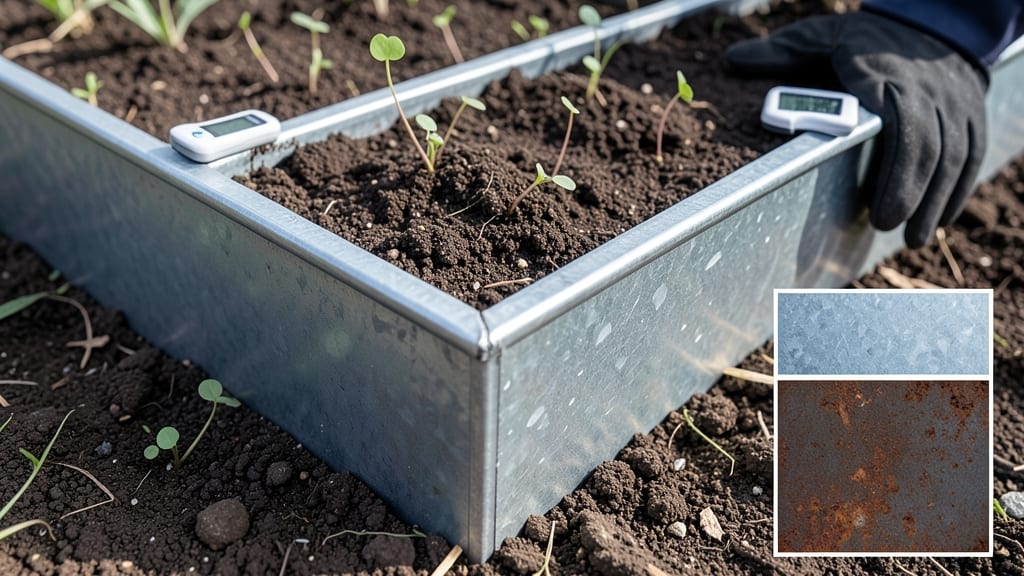
Are galvanized garden beds safe? They may pose risks due to zinc toxicity from leaching, which can harm plants and soil over time, especially in acidic conditions. Opt for plant-safe liners like heavy-duty plastic or rubberized coatings instead.
Are galvanized garden beds safe?
The short answer is no—they can corrode over time, releasing zinc into the soil at levels that may stunt plant growth or even kill roots, particularly in acidic environments where corrosion accelerates. 🌱 The zinc buildup disrupts nutrient absorption, mimicking symptoms of over-fertilization while actually poisoning the soil ecosystem.
I’ve seen cases where tomatoes and peppers grew stunted despite proper care—only to discover the galvanized bed was the culprit after testing soil pH.
This risk isn’t just theoretical: studies show that even small amounts of zinc leaching can alter soil microbial activity, reducing beneficial bacteria that help plants thrive. The problem worsens with moisture, making galvanized beds particularly risky in rainy climates or areas with high humidity.
💡 In This Article
- Zinc Toxicity Risks in Galvanized Garden Beds
- Plant-Safe Alternatives for Lining Garden Beds
Zinc toxicity risks in galvanized garden beds
Galvanized steel garden beds rely on a zinc coating to prevent rust, but this protective layer isn't impervious. Over time—especially in moist, acidic soils—the zinc begins to corrode through a chemical process called electrochemical oxidation.
When soil pH drops below 6.0 (common in acidic soils), the corrosion accelerates dramatically, releasing zinc ions into the soil at concentrations that can reach 5-10 parts per million (ppm) or higher in severe cases.
For comparison, the EPA's soil toxicity threshold for zinc is 75 ppm, but plant damage often occurs at much lower levels.
The real danger lies in how zinc disrupts plant nutrition. Zinc is an essential micronutrient, but excessive amounts create a nutrient imbalance that mimics phosphorus or iron deficiency symptoms—yellowing leaves, stunted growth—while actually poisoning root systems.
Tomatoes and brassicas are particularly vulnerable, showing leaf curling and chlorosis within weeks of exposure. The zinc also binds to soil particles, reducing available phosphorus and nitrogen, which plants can't access even when fertilized. 🌱
Beyond direct plant harm, zinc leaching decimates soil microbial communities. Beneficial bacteria and fungi that fix nitrogen or decompose organic matter are sensitive to heavy metals, and studies show 30-50% reductions in microbial activity in zinc-contaminated soils.
This creates a vicious cycle: fewer microbes mean poorer nutrient cycling, which further stresses plants already struggling with zinc toxicity. Over 2-3 years, this can turn a thriving garden bed into a barren patch where even hardy crops fail to establish.
Moisture and temperature amplify the problem. Galvanized beds in humid climates or those kept constantly wet (like raised beds without drainage) corrode 2-3 times faster than those in drier conditions. Even in neutral pH soils, zinc leaching continues—just more slowly—making long-term use unsafe.
The visual signs of corrosion (white rust or powdery residue) often appear only after the damage is already done to the soil ecosystem.
What most gardeners don't realize is that zinc toxicity isn't immediate. Early signs—like slightly slower growth or occasional yellowing—are often dismissed as poor soil quality. But by the time you notice blackened roots or wilting despite adequate water, the soil may already be compromised for years to come.
This delayed effect is why many gardeners only discover the problem after 1-2 growing seasons of unexplained plant stress.
To put it bluntly: if you're using galvanized beds in acidic or moist soils, you're essentially running a slow-motion experiment in soil degradation. The zinc doesn't just affect your current plants—it builds up in the soil, creating a legacy problem for future gardens. 💫