
Advice
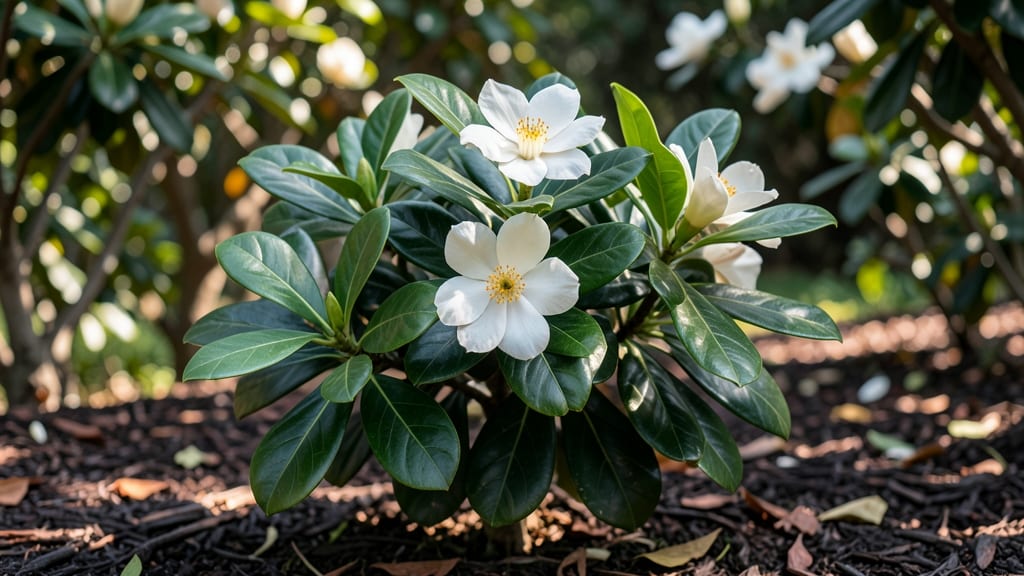
Gardenia plants are not dog-safe—they contain toxic compounds like saponins and gardenoside that can cause vomiting, diarrhea, and lethargy in pets if ingested. Keep them out of reach and seek veterinary care if poisoning occurs.
Gardenia flowers may look harmless with their creamy blooms, but their leaves and stems pack dangerous chemicals that can make your dog seriously ill. 🌸 The saponins in gardenia disrupt your pup's digestive system, while gardenoside can even affect their nervous system, leading to drooling or weakness.
Even a small nibble could trigger these reactions, so it's best to avoid keeping gardenias where your dog can reach them.
If you suspect your dog has ingested any part of a gardenia plant, don't wait—contact your vet immediately. Symptoms like vomiting or lethargy can escalate quickly, especially in small breeds.
The good news? Many pet-friendly alternatives like roses or pansies offer similar beauty without the risks, making them safer choices for your garden.
💡 In This Article
- Toxic Compounds in Gardenia Plants and Their Effects on Dogs
- Safe Alternatives to Gardenia for Pet-Friendly Gardens
Toxic compounds in gardenia plants and their effects on dogs
Gardenia plants contain two primary toxins that pose serious risks to dogs: saponins and gardenoside. Saponins are naturally occurring compounds that create a soapy foam when mixed with water, and in dogs, they irritate the gastrointestinal lining, leading to severe vomiting and diarrhea within 6-12 hours of ingestion.
Even small amounts—like a single leaf—can trigger these reactions, as saponins disrupt the cell membranes in your dog's digestive tract, causing inflammation and fluid loss.
The second compound, gardenoside, is particularly concerning because it affects the nervous system. This chemical can cause muscle weakness, drooling, and even seizures in severe cases.
The effects vary by dog size: a 10-pound Chihuahua might show symptoms after eating just 1-2 leaves, while a 50-pound Labrador could tolerate slightly more before exhibiting signs.
The liver and kidneys are also at risk, as prolonged exposure may lead to organ strain, especially in small or elderly dogs with pre-existing conditions. 🌿
What makes gardenia toxicity unique is how quickly symptoms can escalate. Unlike some plants that cause delayed reactions, gardenia's compounds act rapidly—sometimes within 30 minutes of ingestion. This speed is critical because it leaves less time for the body to metabolize the toxins before they take effect.
For example, a dog that nibbles on gardenia leaves at breakfast might start vomiting by lunchtime, while another could collapse from neurological effects if the dose is high enough.
Veterinary treatment often involves inducing vomiting (if ingestion was recent), administering activated charcoal to bind the toxins, and providing IV fluids to prevent dehydration. In severe cases, hospitalization may be required for 24-48 hours of monitoring, particularly if the dog shows signs of liver or kidney involvement.
The key takeaway? Even a small exposure warrants immediate veterinary attention, as gardenia toxicity doesn't always follow a predictable pattern.
Interestingly, the toxicity isn't limited to the leaves—gardenia stems and even the roots contain these harmful compounds. The flowers themselves are less toxic, but their sweet scent might entice curious dogs to investigate the plant further.
This is why pet owners should remove gardenias entirely from accessible areas, especially if their dog has a history of chewing plants or showing interest in garden beds. 🚨
To put this into perspective, consider how gardenia's toxicity compares to other common household plants. For instance, lilies are far deadlier to cats, but gardenia poses a more immediate threat to dogs due to its rapid onset of symptoms.
Unlike some toxins that require large quantities to cause harm, gardenia's compounds are potent enough to trigger reactions even in small doses—a critical distinction for pet owners.