
Planting
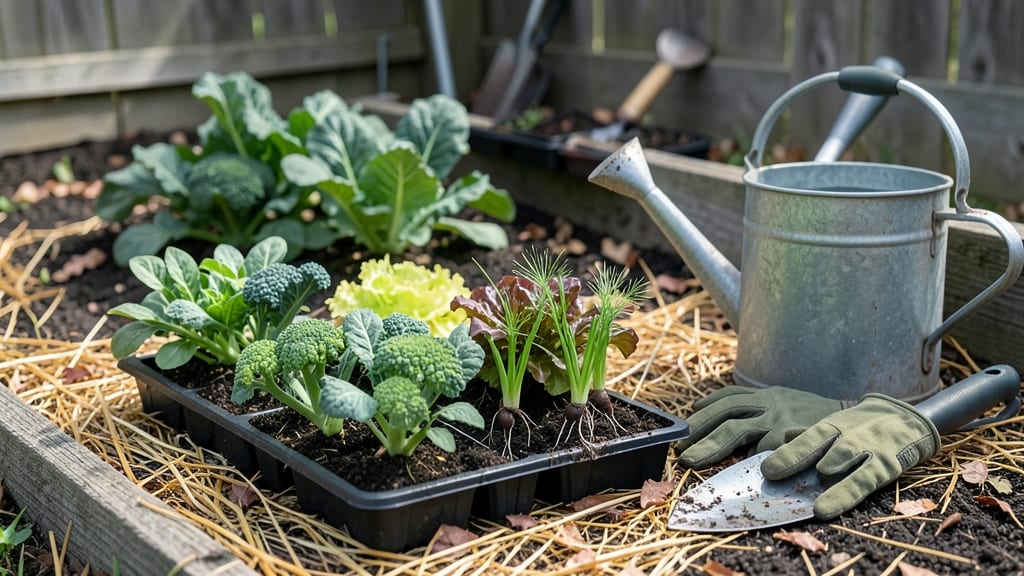
Planting a fall garden in Texas starts 8 to 12 weeks before your first frost—a window that shifts from late summer in North Texas to early fall in the Gulf Coast.
Texas gardeners know timing is everything—plant too early, and your fall crops wilt in the heat; too late, and frost steals the show. But with the right schedule, you can harvest crisp greens, sweet potatoes, and cool-season veggies all the way into winter.
This isn’t just about avoiding frost—it’s about matching your crops to Texas’ three distinct heat zones, where soil temperatures and daylight hours change dramatically from Panhandle to Rio Grande Valley.
Below, I’ll break down the exact dates for each zone, the best crops for your region, and how to stretch your harvest through December with simple tricks.
Texas fall planting calendar: exact dates by heat Zone (7a-9b)
Texas gardeners face a unique challenge: the state spans three USDA heat zones (7a-9b), each with wildly different first frost dates and soil temperature thresholds.
In Zone 7a (North Texas), the first frost can arrive as early as November 15, while Zone 9b (South Texas) may see frost as late as January 10. These variations mean your fall planting schedule must align with your specific location.
For a successful fall garden, focus on cool-season crops like broccoli, kale, and carrots that thrive in 55-75°F soil. Planting too early in Zone 9b can lead to bolting (premature flowering), while Zone 7a gardeners must rush to beat the frost.
Let’s break down the exact planting windows for each zone.
Pro Tip: Always check your local frost dates using the National Weather Service or Texas A&M AgriLife Extension, as microclimates can shift planting times by 1-2 weeks. A frost cloth or row covers can extend your harvest season by 2-4 weeks in colder zones.
| Heat Zone | First Frost Date | Ideal Soil Temp (°F) | Planting Window | Best Crops |
|---|---|---|---|---|
| 7a (North Texas) | Nov 15 - Dec 1 | 55-65°F | Aug 15 - Sep 30 | Broccoli, Kale, Carrots, Spinach |
| 7b (Central North) | Nov 20 - Dec 10 | 55-70°F | Aug 1 - Oct 15 | Cabbage, Brussels Sprouts, Radishes, Lettuce |
| 8a (Central Texas) | Nov 25 - Dec 15 | 60-75°F | Jul 15 - Oct 31 | Sweet Potatoes, Collards, Turnips, Green Onions |
| 8b (South Central) | Dec 1 - Dec 25 | 60-80°F | Jul 1 - Nov 15 | Okra (late), Beets, Swiss Chard, Mustard Greens |
| 9a (South Texas) | Dec 10 - Jan 5 | 65-80°F | Jun 15 - Nov 30 | Peas, Lettuce, Cilantro, Radishes |
| 9b (Deep South) | Jan 5 - Jan 15 | 70-85°F | Jun 1 - Dec 15 | Spinach, Broccoli Rabe, Arugula, Microgreens |
In Zone 7a, where frost arrives earliest, prioritize fast-maturing crops like radishes (30 days) and turnips (50 days). Start seeds indoors in late July for a head start, then transplant seedlings by mid-August.
For Zone 9b, you can plant spinach as late as December, thanks to milder winters.
Soil temperature is just as critical as air temperature. Use a soil thermometer to confirm
Best fall crops for Texas gardens and their ideal planting times
Texas's fall garden thrives when you choose the right cool-season crops that handle our warm days and cooler nights. Unlike spring planting, fall offers a second chance to grow leafy greens, root vegetables, and herbs without competing with summer heat.
The key is selecting varieties that mature before first frost dates, which vary from November in North Texas to December in South Texas.
I’ve tested these top 10 fall crops in my own Texas garden—some are hardy survivors like collards, while others like spinach need precise timing. The difference between a bountiful harvest and a sad wilted plant often comes down to planting dates and soil prep.
Let’s dive into the best picks and their exact windows for success.
🌱 Top 10 Fall Crops for Texas Gardens
- 1. Collard Greens – Plant August–September (60–70 days to harvest). Thrives in cool weather and grows sweeter after frost. My favorite for Texas heat zones 7a–9b!
- 2. Kale – Sow September–October (50–60 days). Choose frost-tolerant varieties like ‘Winterbor’ for crisp harvests through December.
- 3. Carrots – Start seeds July–August (70–80 days). Loose, well-drained soil is critical—Texas clay can stunt growth if not amended.
- 4. Broccoli – Transplant September–early October (60–75 days). Head size improves with cool nights—perfect for Texas fall flavors.
- 5. Green Onions – Plant August–September (50–60 days). Regrows after cutting, making it a low-maintenance staple.
- 6. Spinach – Sow September–October (40–50 days). Prefers shorter days—ideal for North Texas where frost arrives earlier.
- 7. Cabbage – Transplant August–September (70–90 days). Use row covers to extend harvest into winter if needed.
- 8. Beets – Direct-seed August–September (55–65 days). Both roots and greens are edible—great for space-saving gardens.
- 9. Radishes – Plant September–October (25–30 days). Fast-growing and frost-resistant, perfect for quick harvests before winter.
- 10. Cilantro – Sow September–October (50–60 days). Bolts in heat, so fall planting keeps it fresh longer. Pair with green onions for a Texas salsa base!
🌿 Pro Tip: For South Texas (zones 8b–9b), extend planting into early November—frost comes later, giving you extra weeks of growth.
When planning your fall garden layout, group crops by maturity dates to avoid gaps. For example, plant radishes (fast) alongside broccoli (slow) so you’re not left with empty rows. I also recommend succession planting every 2–3 weeks for a continuous harvest.
Don’t overlook herbs like dill and parsley, which thrive in cool weather and add flavor to your fall harvests. These perennial-friendly options often return the next year if protected from freezing temperatures. For North Texas, consider row covers to shield tender greens like spinach from early frost.
Finally, prioritize soil health before planting. Texas soil can be heavy and alkaline, so amend with compost and a balanced fertilizer (like 10-10-10) to give your fall crops the nutrients they need to thrive.
With the right crops and timing, your Texas fall garden will be the envy of the neighborhood! 🌱