
Companion Plants
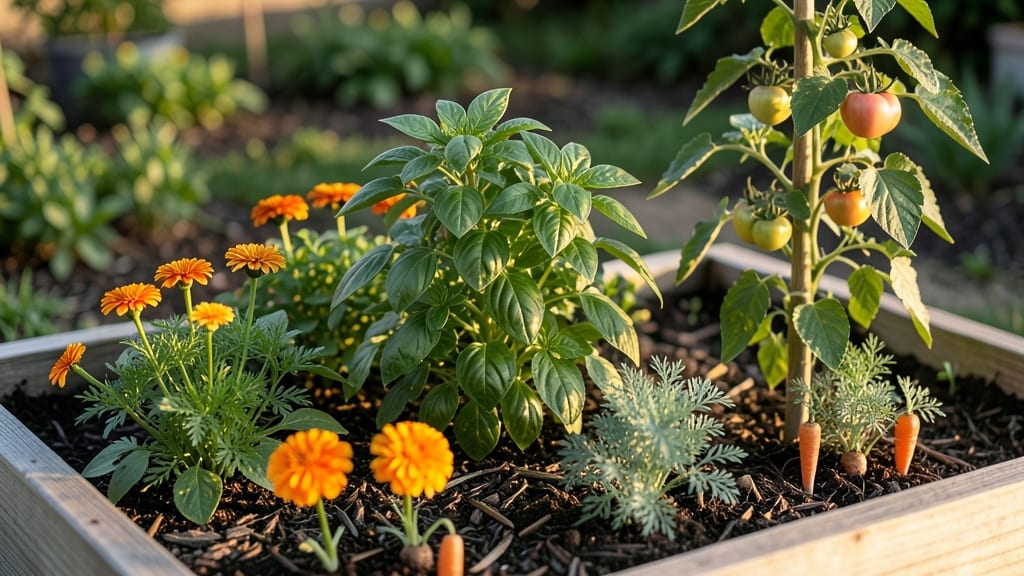
A companion garden layout 🌱 can turn your plot into a pest-repelling powerhouse—without a single chemical in sight.
Tired of battling pests in your garden while watching your hard work wither away? The secret to a thriving, pest-free garden might already be growing in your backyard—if you arrange it right.
Companion gardening isn’t just a trick; it’s a science-backed strategy that turns your plants into a natural defense system. By pairing the right neighbors, you can deter aphids, improve flavors, and even boost yields—all while creating a garden that looks as good as it performs.
In this guide, I’ll walk you through three proven plant pairings that repel pests naturally, plus how to design a layout that works for your space—whether you’re working with raised beds, containers, or a full vegetable plot.
3 Science-backed companion plant pairings that repel pests naturally
If you've ever watched aphids devour your tomato leaves or squash bugs attack your cucumbers, you know how frustrating pests can be. The good news? Nature's own pest control system exists right in your garden—if you arrange it correctly.
These science-backed plant pairings don't just coexist; they actively disrupt pest life cycles while boosting your harvest. Let's dive into the top three combinations that will transform your garden into a pest-free fortress.
Marigolds and tomatoes make one of the most famous (and effective) pairs in companion gardening. The marigold's strong scent confuses and repels nematodes, aphids, and even whiteflies—common tomato pests. But here's the science: marigolds release alpha-terthienyl, a compound that disrupts the feeding habits of soil-dwelling pests.
When planted near tomatoes, they also attract beneficial predators like ladybugs and lacewings, creating a natural balance that keeps your tomato plants thriving.
Basil isn't just a kitchen staple—it's a powerhouse pest repellent when paired with peppers. The volatile oils in basil (like eugenol) mask the scent of peppers, making them invisible to pests like spider mites and thrips.
Studies show that basil can reduce pepper hornworm damage by up to 50%. Plus, the two plants share similar growing conditions, making them perfect bedfellows in your garden layout.
Nasturtiums are the underdog superstars of companion planting. These vibrant flowers act as a trap crop, luring pests like aphids and squash bugs away from your cucumbers. The secret? Nasturtiums contain cucurbitacins, bitter compounds that pests find irresistible.
By the time they realize they've been tricked, they're already far from your cucumber vines. This pair also improves cucumber flavor and yield, making it a win-win for your garden.
| Plant Pairing | Pests Repelled | Spacing | Planting Tip | Bonus Benefit |
|---|---|---|---|---|
| Marigolds + Tomatoes | Nematodes, aphids, whiteflies, tomato hornworms | 12-18 inches apart | Plant marigolds at the base of tomato plants | Attracts ladybugs and lacewings |
| Basil + Peppers | Spider mites, thrips, pepper hornworms | 6-12 inches apart | Interplant basil between pepper rows | Enhances pepper flavor |
| Nasturtiums + Cucumbers | Aphids, squash bugs, cucumber beetles | 10-12 inches apart | Plant nasturtiums at cucumber trellis base | Improves cucumber growth and taste |
The key to making these pairings work lies in proper spacing and timing. For marigolds and tomatoes, plant the marigolds 6-8 weeks before tomatoes so they establish roots and start repelling pests early. Keep them within 12-18 inches of your tomato plants for maximum effect.
When interplanting basil with peppers, start basil seeds indoors 4-6 weeks before the last frost and transplant them near pepper seedlings. This ensures both plants grow at similar rates, creating a dense pest-blocking barrier.
Nasturtiums are the easiest to integrate because they grow quickly. Sow nasturtium seeds 2-3 weeks before your cucumbers and let them sprawl at the base of your trellis. Their trailing habit naturally shades the soil, reducing weed competition while luring pests away from your cucumbers.
Remember to harvest nasturtium flowers regularly—this encourages more growth and keeps the pest-trapping cycle going.
One common mistake gardeners make is assuming "close enough" spacing will work. Overcrowding reduces airflow, creating ideal conditions for fungal diseases while diminishing the pest-repelling effects. For example, basil planted too close to peppers can compete for nutrients, weakening both plants.
Always follow the spacing guidelines in the table above, and thin seedlings if necessary to maintain optimal distances.
To maximize these pairings, consider adding a third plant to the mix. For instance, planting dill or fennel near your marigold-tomato combo attracts predatory wasps that hunt tomato hornworms. This three-plant ecosystem creates even more layers of pest control.
The same principle applies to basil and peppers—adding carrots or onions nearby can further confuse pests with their strong aromas.
Don't forget that companion planting isn't just about repelling pests—it's also about enhancing growth. Marigolds, for example, improve tomato root health by suppressing nematodes, while basil's shade helps peppers retain moisture.
These pairings create a symbiotic relationship that benefits both plants and your harvest. Start with these three combinations, and watch how your garden transforms into a self-sustaining pest-free oasis.
Ready to put this into action? Grab your seed packets and start planning your pest-repellent companion garden today. Your future self
How to design a pest-repellent companion garden layout for your space
Designing a pest-repellent companion garden starts with understanding how plants interact. The right layout can create a natural defense system that deters pests while boosting plant health. Whether you have raised beds, in-ground plots, or container gardens, the principles remain the same—just adapt the spacing and placement.
Your garden’s success hinges on three key factors: sun exposure, soil compatibility, and seasonal rotation. For example, marigolds thrive in full sun and release pest-deterring chemicals, while basil prefers partial shade and improves the flavor of nearby tomatoes.
Pairing these correctly maximizes their benefits and minimizes competition for resources.
🌱 Start with a plan: Sketch your space, noting sun patterns and wind direction. Group plants with similar water needs together to simplify care. Use taller plants like sunflowers or corn as natural windbreaks to protect more delicate companions.
Step-by-Step Companion Garden Layout Guide
- Step 1: Choose your garden type: Raised beds offer better soil control, in-ground plots maximize space, and containers work for balconies or small areas.
- Step 2: Map sun exposure: Place sun-lovers (tomatoes, peppers) in south-facing areas; shade-tolerant plants (lettuce, spinach) on the north side.
- Step 3: Layer by height: Tall plants (corn, trellised beans) at the back; medium (basil, carrots) in the middle; low (strawberries, radishes) at the front.
- Step 4: Add pest-repellent plants: Interplant marigolds, nasturtiums, or garlic between vulnerable crops like cabbage or broccoli.
- Step 5: Rotate crops seasonally: Swap families (e.g., tomatoes and peppers) every year to prevent soil-borne pests from building up.
- Step 6: Mulch for moisture: Use straw or wood chips to retain water and deter weeds, which attract pests like squash bugs.
For raised beds, divide the space into sections based on plant families. For instance, dedicate one side to nightshades (tomatoes, peppers) and another to alliums (onions, garlic). Leave a 12-inch gap between sections to prevent cross-contamination of pests or diseases.
In containers, pair fast-growing herbs like basil or cilantro with slower-growing vegetables like peppers or eggplants.
Seasonal rotation is often overlooked but critical. For example, plant carrots where tomatoes grew last year, as they belong to different plant families and won’t share pests or diseases. Keep a garden journal to track what worked—and what didn’t—each season. This helps refine your layout year after year.
Test your layout’s effectiveness by monitoring pest activity. If aphids still target your roses, add dill or fennel nearby—their strong scents confuse pests. Adjust as needed, but remember: patience is key. A well-planned companion garden doesn’t just repel pests—it creates a self-sustaining ecosystem that thrives with minimal intervention. 🌿