
Planting
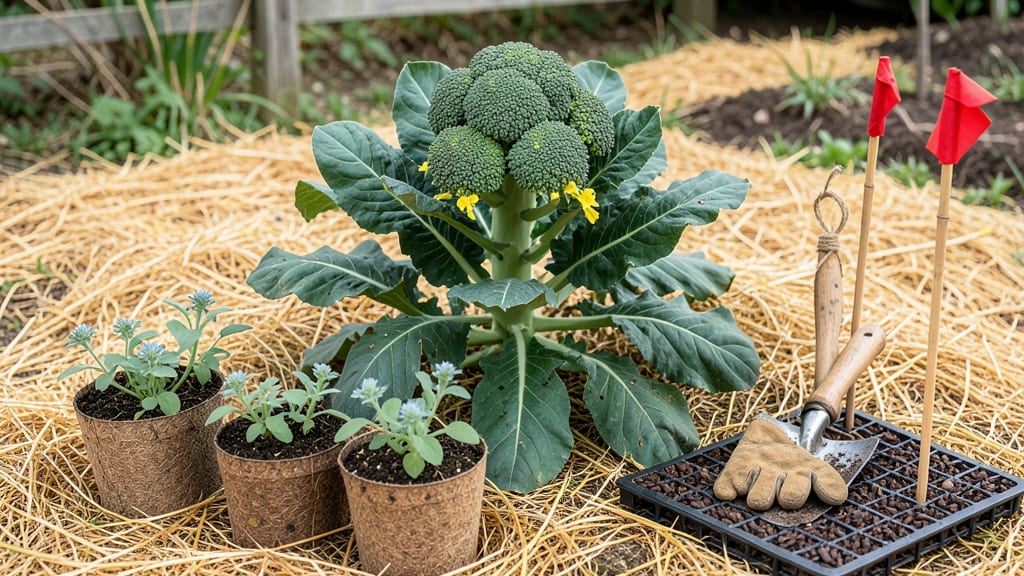
Planting a fall garden in North Carolina means timing your crops to beat the first frost—whether you're in the coastal plains, Piedmont, or mountains, the right window makes all the difference.
North Carolina’s diverse elevations mean your fall garden’s success hinges on timing—plant too early, and frost ruins your crops; too late, and you miss the harvest window. Here’s how to pinpoint the exact planting dates for your NC location, using elevation-based frost charts and expert tips.
From leafy greens like kale to hardy brassicas such as broccoli, cool-season crops thrive when planted 8 to 12 weeks before your first frost. But without a clear frost-date guide, it’s easy to misjudge—especially when coastal areas and mountain regions can differ by weeks.
In this guide, I’ll break down the ideal planting schedule by elevation, share the best fall crops for NC’s climate, and show you how to stretch your harvest into December with simple tricks. Let’s get growing!
NC fall planting dates by elevation: frost-date chart for coastal, piedmont, and mountain regions
North Carolina’s three distinct elevations—coastal plains, piedmont, and mountains—create wildly different fall planting windows. Coastal areas like Wilmington enjoy 60-90 days longer growing seasons than Asheville’s high country. Understanding your last frost dates is critical to avoiding ruined crops or missed harvests.
For coastal NC, aim to plant cool-season crops like broccoli and spinach 80-100 days before your average first frost. In the piedmont region (Raleigh, Greensboro), reduce that window to 60-80 days.
Mountain gardeners in Asheville or Boone should plant 45-60 days before frost to ensure maturity before winter sets in.
Here’s your elevation-based planting guide with exact frost dates for 10 key NC counties, plus ideal planting windows for popular fall crops.
| Region | Avg. First Frost | Planting Window (Days Before Frost) | Best Crops | Soil Prep Tip |
|---|---|---|---|---|
| Coastal (Wilmington, Morehead City) | Nov 15 | 80-100 days | Spinach, Kale, Carrots | Add compost for sandy soil |
| Piedmont (Raleigh, Charlotte) | Nov 1 | 60-80 days | Broccoli, Lettuce, Beets | Test pH (6.0-7.0 ideal) |
| Mountains (Asheville, Boone) | Oct 15 | 45-60 days | Radishes, Turnips, Peas | Mulch heavily for warmth |
| Southeast (Greenville, Fayetteville) | Nov 5 | 70-90 days | Collards, Mustard Greens | Drainage check for clay |
| Western (Spartanburg, Hickory) | Oct 25 | 50-70 days | Cabbage, Brussels Sprouts | Cover soil with straw |
Use this chart as your fall planting calendar. For example, if you’re in Raleigh (piedmont), plant broccoli seeds by September 1st to harvest before frost. Mountain gardeners should start radishes by August 15th for a quick crop.
Pro tip: Check the NC State Extension’s frost date maps annually—they update based on climate shifts. For high-elevation gardens, consider cold-hardy varieties like ‘Winterbor’ kale, which tolerates 20°F without damage.
Adjust your planting timeline based on crop maturity. Fast-growing radishes (30 days) can handle late starts, while Brussels sprouts (90+ days) need early planting. Always account for 10-14 extra days if your season runs late.
Soil temperature matters too! Wait until soil reaches 50°F for cool-season crops. Use a soil thermometer—cooler mountain soils may need row covers to warm up faster.
For succession planting, stagger seeds every 2-3 weeks to extend harvests. In coastal areas, you might squeeze in two rounds of lettuce before frost, while piedmont gardeners typically get one full harvest.
Remember: Frost dates shift yearly. Use your local weather station or NC AgClimate tool to refine timing. With this chart, you’ll avoid common mistakes like planting spinach too late in the mountains or lettuce too early in coastal zones.
Best fall vegetables for NC gardens: cool-season crops ranked by hardiness and yield
North Carolina’s fall garden thrives on cool-season crops that tolerate light frost and even flourish under 40°F nights. My top picks balance hardiness with high yields, ensuring your harvest stretches from October to December.
The key? Matching varieties to your elevation zone—mountain gardens handle earlier frosts than coastal areas.
Leafy greens like kale and spinach lead the pack, followed by brassicas such as broccoli and cabbage. Root vegetables like carrots and beets round out the list, offering sweetness when grown in cooler weather. For best results, prioritize fast-maturing varieties (45–60 days) to avoid winter’s chill.
Kale tops my list for frost tolerance, with varieties like Winterbor sweetening after light freezes. It thrives in USDA Zones 5–10, making it perfect for NC’s Piedmont and Mountains. For high yields, succession plant every 2 weeks from August to September.
Brassicas like broccoli and cabbage need 50–70 days to mature, so start seeds indoors in July for transplanting by early August. Purple sprouting broccoli is my go-to for mountain gardens—it handles 25°F with ease. Coastal growers should opt for Calabrese varieties, which mature faster.
Root vegetables like carrots and beets reward patience with sweet, tender harvests. Plant Danvers carrots in August for a 60-day harvest before winter sets in. For soil prep, loosen clay-heavy NC soil with compost to prevent forked roots. Mulch heavily to retain warmth.
Don’t overlook turnips and radishes—they’re fast-growing (30–40 days) and perfect for succession planting. Tokyo Cross radishes add a peppery crunch, while Purple Top White Globe turnips double as edible greens. Both tolerate light frost and brighten fall salads.
For high-elevation gardens (above 3,000 ft), prioritize hardy varieties like Swiss chard and collards. These leafy greens handle 20°F and produce bountiful harvests through December. Coastal gardeners can extend seasons with row covers or cold frames.