
Planting
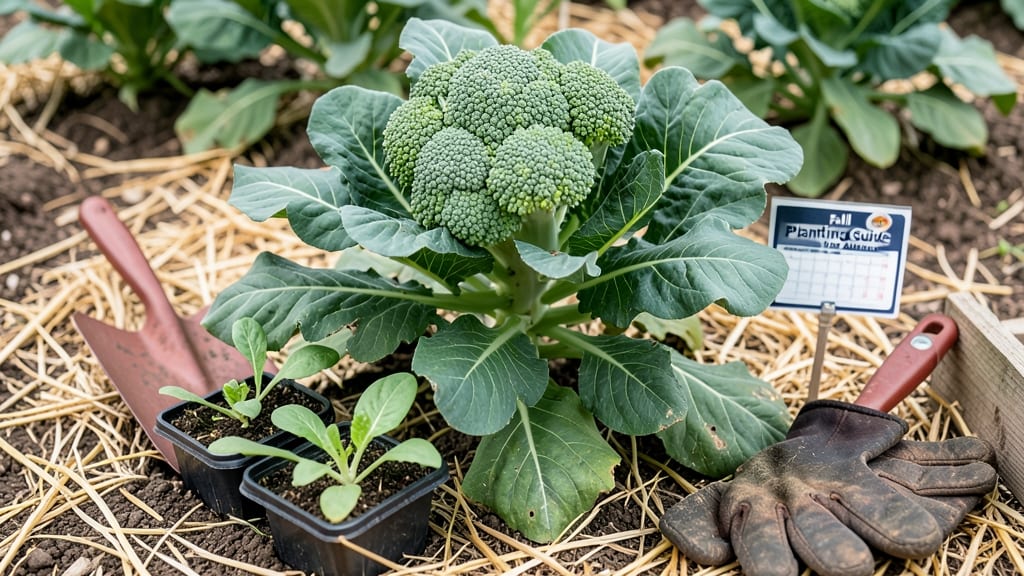
Planting a fall garden in Alabama starts 6-8 weeks before your first frost—typically mid-August to early October—to beat the chill and still get a harvest.
Alabama’s warm climate lets you grow a thriving fall garden—but timing is everything. Plant too early, and your crops bolt before frost; too late, and they won’t mature before winter. Here’s your zone-by-zone, crop-specific planting schedule to maximize your harvest.
Whether you’re in Zone 7A (North/Central) or 7B (South), the key is knowing when to sow fast growers like lettuce versus slower crops like Brussels sprouts. We’ll break down the exact weeks to plant each, plus how to stretch your season with row covers and succession planting.
By the end, you’ll have a clear timeline for cool-season crops, frost-proofing tips, and the top 10 fall vegetables that thrive in Alabama’s mild winters—without the guesswork.
Alabama fall planting timeline by hardiness Zone (7A vs 7B)
Alabama’s fall gardening season thrives on precise timing, especially when comparing Zone 7A (North/Central) and Zone 7B (South). The difference of just 2-3 weeks in frost dates can mean the difference between a bountiful harvest and wasted seeds.
In Zone 7A, the average first frost arrives around November 15, while Zone 7B typically sees frost November 25-30. This shift allows Zone 7B gardeners an extra 2 weeks to extend their growing season.
For cool-season crops like broccoli, kale, and spinach, timing is critical. Planting too early in August or early September risks heat stress, while waiting until mid-October may leave crops underdeveloped by frost.
The key is to start 6-8 weeks before your expected first frost date, ensuring plants mature before winter sets in. This means late August to early September for Zone 7A and early to mid-September for Zone 7B.
First-frost averages are your gardening compass. In Zone 7A, last-frost dates typically occur around March 15, while Zone 7B sees its last frost March 20-April 1. Understanding these dates helps you plan for succession planting and season extension strategies like row covers or cold frames.
Here’s how the planting windows break down by crop category. Leafy greens like lettuce and spinach can handle cooler temperatures, while broccoli and cabbage need more time to mature. Root crops like carrots and beets also benefit from earlier starts, as they grow more slowly in cooler weather.
For Zone 7A gardeners, focus on starting broccoli and cabbage by early August to ensure they mature before frost. These crops need 70-90 days to reach harvest, so timing is everything.
In contrast, Zone 7B can push these plantings back by 2-3 weeks, giving you more flexibility to adjust for weather delays.
Leafy greens like spinach and kale are more forgiving and can be sown as late as mid-September in Zone 7A or early October in Zone 7B. These crops thrive in cooler weather and can even sweetened by frost, making them ideal for late-season harvests.
Aim to plant them 4-6 weeks before your expected first frost for the best results.
If you’re growing fast-maturing crops like radishes or turnips, you can extend your planting window well into October, especially in Zone 7B. These crops often reach harvest in 30-40 days, making them perfect for succession planting every 2-3 weeks until mid-October.
This strategy ensures a steady supply of fresh produce right up until frost.
Don’t overlook herbs and greens like cilantro, parsley, and arugula, which also perform well in Alabama’s fall garden. These can be sown as late as September 15 in Zone 7A or early October in Zone 7
Best fall vegetables for Alabama gardens (and when to sow them)
Alabama’s extended growing season means you can enjoy fresh, homegrown vegetables well into fall—but only if you plant at the right time. Heat-loving crops like sweet potatoes need early starts, while cool-season favorites such as kale thrive when sown closer to frost.
The key is balancing heat tolerance with frost resistance to avoid bolting or freezing before harvest.
For Alabama’s USDA Zones 7A-8B, aim to plant most fall crops 6-8 weeks before your average first frost (typically mid-September to early October). However, some fast-growing varieties can handle later plantings.
Below, I’ve ranked the top 7 fall vegetables for Alabama gardens, prioritizing heat tolerance, growth speed, and frost hardiness.
- 1 Sweet Potatoes – Direct-sow by mid-July (90+ days to harvest). Alabama’s heat helps them thrive, but plant early to avoid bolting before frost. Use slips for faster growth.
- 2 Collard Greens – Direct-sow or transplant in September (30-60 days to harvest). Frost-sweetened flavor makes them ideal for late fall. Start seeds 4-6 weeks before first frost for a steady harvest.
- 3 Brussels Sprouts – Transplant by mid-August (90+ days to harvest). Cold-hardy but needs time to mature. Use row covers to extend harvest into December. Start seeds 10-12 weeks before frost.
- 4 Carrots – Direct-sow by early September (60-80 days to harvest). Choose short-season varieties like ‘Danvers’ for Alabama’s heat. Sow 30-45 days before frost to avoid woody roots.
- 5 Kale – Transplant or direct-sow in late August (30-50 days to harvest). Frost improves flavor, so plant 6-8 weeks before frost. Varieties like ‘Winterbor’ handle Alabama’s mild winters well.
- 6 Turnips – Direct-sow by early September (30-50 days to harvest). Fast-growing and cold-tolerant. Sow 30-40 days before frost for greens and roots. Harvest greens first to extend the season.
- 7 Spinach – Direct-sow by late August (30-45 days to harvest). Bolt-resistant varieties like ‘Bloomsdale’ work well. Plant 4-6 weeks before frost for a quick harvest before heat sets in again.
For critical crops like Brussels sprouts, start your 30-day countdown now—transplant them by mid-August to ensure they mature before frost. In Zone 7A (North/Central Alabama), expect frost by November 1, while Zone 7B (South Alabama) may delay until mid-November. Adjust timing accordingly.
Pro tip: Use mulch to insulate soil and row covers to protect tender crops like lettuce from unexpected cold snaps. This extends your harvest window by 2-4 weeks in Alabama’s unpredictable fall weather.
Remember, direct-sowing (like carrots and turnips) saves time, while transplanting (like kale and Brussels sprouts) gives you stronger starts. Match your method to each crop’s needs for a bountiful Alabama fall garden.