
Planting
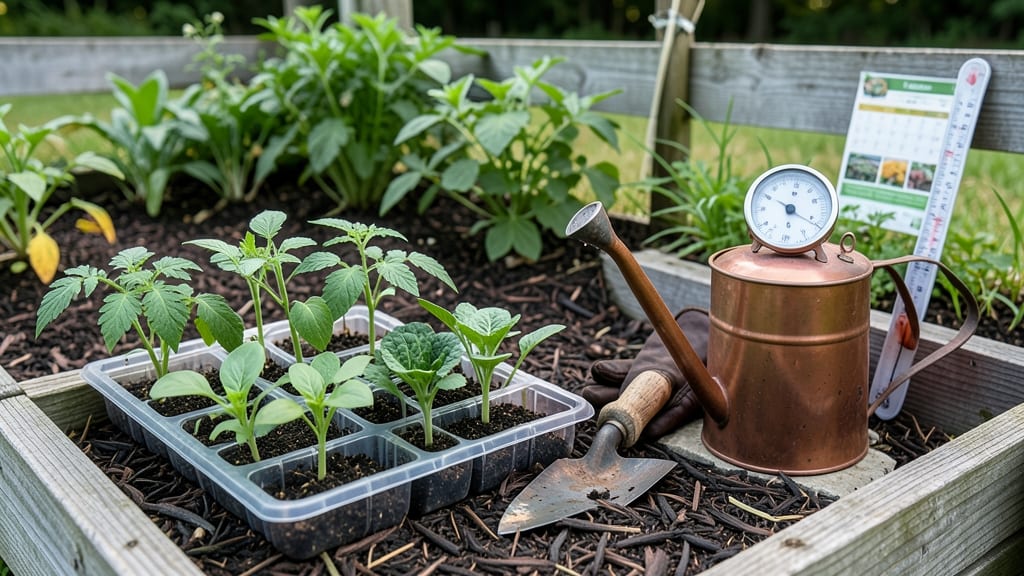
Planting a garden in Alabama at the right time means the difference between a bountiful harvest and a sad pile of wilted seedlings.
Alabama’s warm climate and long growing season make it perfect for gardening—but planting at the wrong time can mean wilted dreams instead of a thriving harvest. Whether you're in the cooler hills of North Alabama or the balmy coastal plains, timing is everything.
Cool-season crops like lettuce and broccoli need to go in the ground as soon as the soil is workable, usually by mid-February in South Alabama and late March in the North.
Meanwhile, heat-loving tomatoes and peppers wait until after the last frost, which can vary from mid-March to early April depending on where you live.
Below, I’ll break down the exact frost dates by region, the best planting windows for your favorite crops, and how to adjust for Alabama’s unpredictable spring weather. Let’s get your garden off to the right start!
Alabama frost dates and ideal planting windows by region
Alabama’s diverse climate means frost dates and planting windows vary dramatically from North Alabama’s chilly winters to South Alabama’s balmy coastal areas. Whether you’re growing cool-season greens or heat-loving tomatoes, timing is everything. Let’s break down the average frost dates and optimal planting windows for each region.
North Alabama—think Huntsville or Decatur—has the earliest frosts, often hitting as early as mid-October and lingering until mid-April. Central Alabama, like Birmingham or Montgomery, enjoys a longer growing season with frosts typically between November and March.
Meanwhile, South Alabama’s Gulf Coast areas, such as Mobile or Pensacola, rarely see frost, making it ideal for extended warm-season crops.
To maximize your harvest, align your cool-season crops like broccoli or spinach with spring and fall planting windows. Warm-season favorites, such as peppers and okra, thrive when soil temperatures rise above 60°F, usually by late April to May in most regions.
Let’s dive into the specifics with this handy planting timeline.
| Region | Avg. Last Frost | Avg. First Frost | Cool-Season Planting | Warm-Season Planting |
|---|---|---|---|---|
| North Alabama | Mid-October | Mid-April | March-April, Sept-Oct | Late April-May |
| Central Alabama | Late November | Early March | February-April, Sept-Nov | Mid-April |
| South Alabama | Rare (Dec-Jan) | Rare (Jan-Feb) | Year-round (light frost) | Early March-April |
In North Alabama, where winters are colder and longer, start cool-season crops like kale or peas as early as March and again in late summer for a fall harvest.
For warm-season crops, wait until after the last frost, usually mid-April, to plant tomatoes or squash. Use row covers to extend your growing season if needed.
Central Alabama gardeners enjoy a longer frost-free period, allowing for two full growing seasons. Begin cool-season crops in February and transition to warm-season planting by mid-April. Successive planting of crops like lettuce or carrots every 2-3 weeks ensures a steady harvest through fall.
If you’re in South Alabama, you’re in luck—frost is rare, and you can plant warm-season crops as early as February. Heat-loving plants like okra or sweet potatoes thrive year-round, but cool-season crops still benefit from fall planting for winter harvests.
Just be mindful of humidity and pests, which can be more prevalent in this region.
For heat-sensitive crops like peppers or eggplants, wait until soil temperatures reach at least 60°F before planting. Use a soil thermometer to check—cold soil can stunt growth. In North Alabama, this might mean waiting until May, while South Alabama can start as early as March.
Pro tip: Use Alabama Extension’s interactive frost map for your exact location—frost dates can shift 5-10 days based on elevation or microclimates. Pair this with a planting calendar tailored to your USDA hardiness zone (typically 7a-8b in Alabama) for foolproof timing.
Don’t forget to harden off seedlings before transplanting and mulch heavily in fall to protect cool-season crops from unexpected late frosts. With these region-specific guidelines, your Alabama garden will be bursting with life from spring to fall.
Now that you’ve got your frost dates locked in, let’s explore the best heat-tolerant vegetables for Alabama’s scorching summers—because even the hottest days can yield a bountiful harvest!
Best heat-tolerant vegetables for Alabama’s summer planting
Alabama’s summer heat can reach 90°F+, making it challenging for many vegetables—but some thrive in these conditions. The key is choosing heat-resistant varieties and providing proper care like mulching and consistent watering. These top 10 heat-tolerant vegetables will keep your garden productive even when temperatures soar.
For summer planting, aim to sow seeds or transplant seedlings after your last frost date, typically mid-March to early April in most of Alabama. However, some varieties like okra and sweet potatoes can handle direct heat and should be planted after May 1 for best results.
🌱 Top 10 Heat-Tolerant Vegetables for Alabama
- Okra (Best for: 90°F+) 🌡️ Thrives in heat; plant May-July
- Sweet Potatoes (Best for: Full sun) 🌱 Plant slips after May 1; harvest 90-120 days
- Southern Peas (Cowpeas) (Best for: Drought-resistant) 💧 Plant April-June; tolerates poor soil
- Black-Eyed Peas (Best for: Heat + humidity) 🌿 Sow March-April; harvest 70-90 days
- Tomatoes (Heat-Tolerant Varieties) (Best for: Afternoon shade) 🌞 Try 'Celebrity' or 'Solar Fire'; plant April-May
- Peppers (Jalapeño, Cayenne) (Best for: Hot conditions) ☀️ Plant March-April; harvest 60-90 days
- Eggplant (Best for: Well-draining soil) 🌱 Transplant after last frost; mulch heavily
- Cucumbers (Bush Varieties) (Best for: Trellising) 🌿 Sow April-May; harvest 50-70 days
- Melons (Watermelon, Cantaloupe) (Best for: Long, hot season) ☀️ Plant April-May; needs full sun
- Green Beans (Bush Types) (Best for: Moderate heat) 🌱 Sow March-April or August-September
When planting these heat-loving vegetables, focus on soil moisture—water deeply in the morning to reduce evaporation. Use mulch like straw or black plastic to retain soil moisture and regulate temperature. For tomatoes and peppers, shade cloth can protect them from the harshest afternoon sun.
Alabama’s summer heat also means watching for pests like squash bugs and diseases from overhead watering. Rotate crops yearly to prevent soil-borne issues. With the right varieties and care, your summer garden can be just as productive as your spring or fall plantings.
For extra tips, check the University of Alabama Extension for localized advice on soil pH and pest control tailored to your region. Happy gardening! 🌿