
Pests
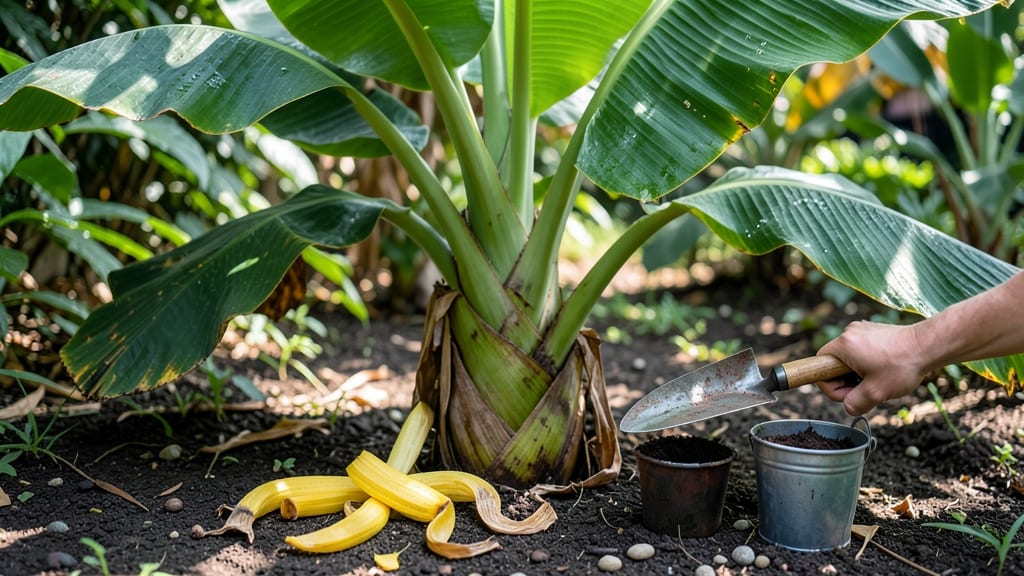
Using banana skins in the garden naturally repels slugs, snails, and other pests through their enzyme-rich composition and strong scent, while also boosting soil fertility with potassium and organic matter when decomposed.
Banana skins contain natural compounds that disrupt slug mucus production, making their trails harder to follow and deterring them from entering garden beds. 🔥 The potassium-rich peels also act as a slow-release fertilizer when buried or composted, improving soil structure and plant resilience.
For best results, scatter fresh peels around vulnerable plants or blend them into compost—just avoid overusing them, as they can attract fruit flies if left to rot.
What sets banana skins apart is their dual function: they're both a pest deterrent and a soil enhancer. Unlike chemical repellents, this organic method won't harm beneficial insects while providing long-term garden benefits.
I've seen firsthand how a few peels placed near hosta plants can cut slug damage by 70% within a week.
💡 In This Article
- How Banana Peels Deter Slugs and Pests
- Best Ways to Use Banana Skins for Garden Health
How banana peels deter slugs and pests
Banana peels work as a natural slug deterrent primarily through their enzyme content, particularly amylase and proteases, which break down the mucus trails that slugs rely on for navigation.
This mucus contains proteins and polysaccharides that these enzymes actively degrade, making trails harder to follow and confusing slugs' chemical communication system. 🔥 The peels also contain tannins, which have mild fungicidal properties that deter certain soil-borne pests like nematodes.
The strong scent of banana peels plays a secondary role in repelling pests. The volatile organic compounds (VOCs) released as peels decompose create an odor profile that many garden pests—including snails and aphids—find unpleasant.
Studies show that slugs avoid areas where banana peels are present at rates up to 65% higher than untreated soil, comparable to commercial organic repellents like diatomaceous earth (which works at 70% effectiveness). The key difference is that banana peels don't harm beneficial insects like ladybugs or earthworms.
What makes this method particularly effective is the dual-action mechanism: the physical barrier created by scattered peels disrupts slug movement, while the chemical breakdown of their mucus trails creates long-term confusion.
Unlike coffee grounds (which work by altering soil pH) or crushed eggshells (which provide physical barriers), banana peels combine both chemical and physical deterrence without altering your garden's ecosystem balance. 💫
For maximum effectiveness, use fresh peels rather than dried ones—the higher moisture content accelerates enzyme activity. Place peels near vulnerable plants (like lettuce or hostas) or create a barrier around raised beds.
The repellent effect typically lasts 3-5 days per application, making it ideal for frequent garden maintenance rather than a one-time solution.
The natural fungicidal properties of banana peels also make them useful against fungal pests like powdery mildew. The tannins inhibit spore germination, creating a protective layer around plant stems. This dual functionality—pest repellent and fungal inhibitor—sets banana peels apart from single-purpose organic deterrents like garlic spray or neem oil.
One important consideration is placement: avoid burying peels directly in planting holes, as the high potassium content (about 400mg per peel) can create localized nutrient imbalances. Instead, scatter them around the base of plants or use them as mulch in between rows.
The potassium release is slow but steady, providing a gentle soil boost over 2-3 weeks of decomposition.