
Advice
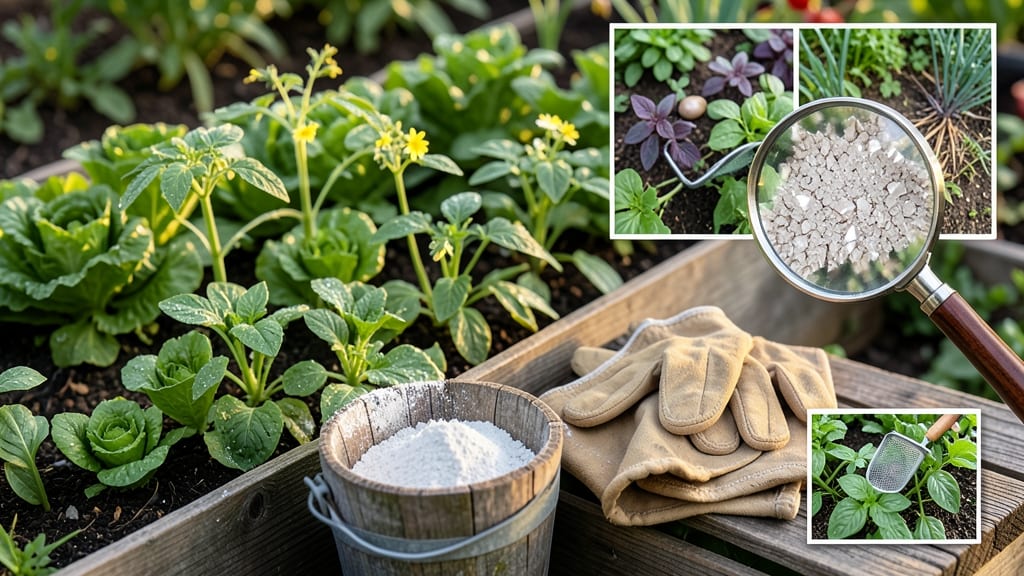
You can safely put diatomaceous earth in your garden—it’s a natural, non-toxic powder that kills crawling pests like slugs, ants, and aphids by dehydrating them through microscopic silica edges. Apply a thin layer to soil or plant surfaces, but avoid edible plants during harvest and protect beneficial insects.
Diatomaceous earth (DE) works as a physical pest control method rather than a chemical one, making it a popular choice for organic gardeners. 🌱 The fine powder contains sharp edges that pierce insect exoskeletons, causing them to lose moisture and die within 24-72 hours.
Unlike chemical pesticides, DE breaks down harmlessly in sunlight and doesn't leave toxic residues, which is why it's often recommended for vegetable gardens and flower beds.
For best results, apply DE in the early morning or evening when humidity is higher, as this helps the powder stick better to pests. A light dusting—about 1-2 tablespoons per square foot—is usually sufficient, and you'll need to reapply after rain or watering.
Always wear a dust mask and gloves during application to protect your lungs and skin from the fine particles.
💡 In This Article
- How Diatomaceous Earth Works Against Garden Pests
- Step-by-Step Guide to Applying DE in Your Garden
How diatomaceous earth works against garden pests
Diatomaceous earth (DE) functions as a mechanical pest killer at the microscopic level. The powder is made from fossilized algae called diatoms, ground into a fine, abrasive substance with jagged edges measuring about 1-100 microns.
When crawling insects like ants, slugs, or aphids come into contact with DE, these microscopic shards pierce their waxy exoskeletons, creating tiny wounds that disrupt their protective barrier. 🔥 This causes rapid dehydration as the insect loses moisture through its body, typically resulting in death within 24-72 hours.
The beauty of DE lies in its selective toxicity—it only affects organisms with exoskeletons, leaving mammals, birds, and plants unharmed. This is because our skin is too thick for the particles to penetrate, while insects' delicate exoskeletons are easily compromised.
Studies show DE is particularly effective against soft-bodied pests like caterpillars and snails, but less so against flying insects since the powder doesn't stick to their wings. For maximum effectiveness, target crawling pests that move through your garden soil or plant surfaces.
What makes DE eco-friendly is its complete breakdown process. When exposed to sunlight and moisture, the powder dissolves harmlessly into silicon dioxide and water—basically returning to its natural mineral state. Unlike chemical pesticides, DE doesn't accumulate in soil or waterways, making it safe for organic gardening standards.
The Environmental Protection Agency (EPA) even classifies it as a "reduced-risk" pesticide due to its minimal environmental impact when used correctly.
However, there's an important caveat about DE's effectiveness: it must be kept dry to work properly. If the powder gets wet, it clumps together and loses its abrasive properties.
This is why gardeners apply DE in the early morning or evening when humidity is lower, allowing the powder to maintain its sharp edges. For best results, reapply after rain or irrigation to maintain a protective barrier against pests.
One fascinating aspect of DE's mechanism is how it affects different pests. For example, ants die within hours of contact because their exoskeletons are particularly vulnerable, while slugs may take up to 48 hours as their slimy bodies provide some protection.
The powder works best when applied as a thin layer—thicker applications can actually repel pests rather than kill them, as they detect the abrasive texture and avoid contact.
Consider this comparison: DE is like giving insects a paper cut that never heals. The microscopic damage continues to disrupt their moisture balance until they succumb. This gentle yet effective approach makes it a favorite among gardeners who prefer chemical-free solutions.
Just remember, while DE is safe for your garden, it can irritate your lungs when inhaled, so always use protective gear during application.