
Neem Oil
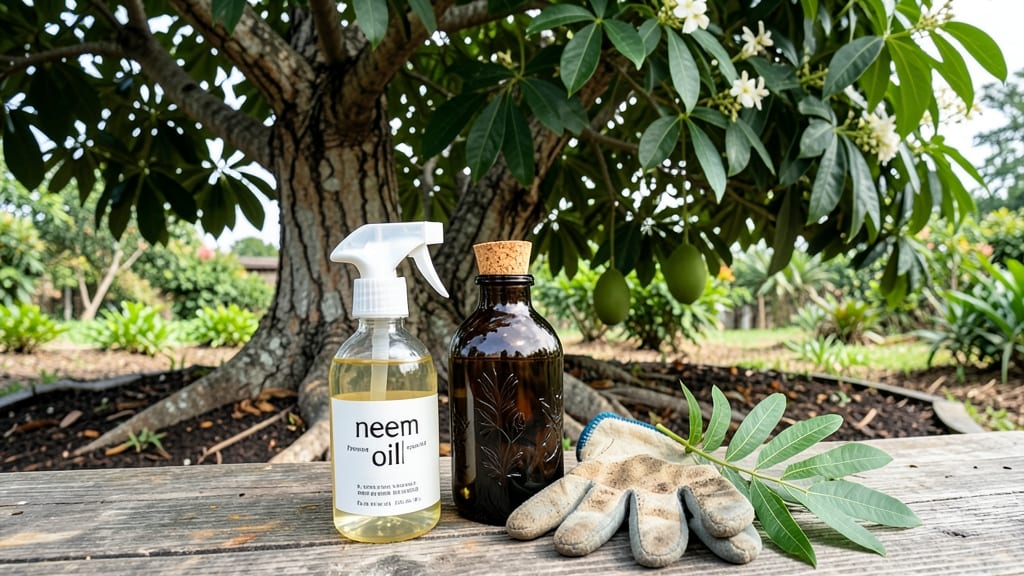
Neem oil for organic gardening is a powerful natural solution that acts as both a pesticide and fungicide by interfering with insect life cycles and stopping fungal growth, effectively targeting common pests like aphids, spider mites, and powdery mildew without harsh synthetic chemicals. Always dilute it properly before spraying on plants.
This plant-based extract works because its active compounds—like azadirachtin—disrupt pests' feeding habits and reproductive cycles, while also creating a protective barrier on leaves. 🌿 For best results, I recommend mixing 1 tablespoon of neem oil per quart of water with a drop of mild soap to help it stick.
The key is applying it in the early evening when temperatures are cooler, which reduces plant stress and improves absorption. Unlike chemical pesticides, neem oil breaks down quickly in sunlight, making it safer for beneficial insects once applied.
One common mistake is using undiluted neem oil, which can damage plant tissues. Always test a small area first, especially on delicate plants like tomatoes or peppers. The oil also works preventatively—spraying every 2-3 weeks during growing seasons helps keep pests at bay before they become a problem.
Plus, it's safe for organic certification standards, which is a huge plus for home gardeners committed to chemical-free growing.
💡 In This Article
- How Neem Oil Works as a Natural Plant Protector
- Step-by-Step Guide to Applying Neem Oil Safely in Gardens
How neem oil works as a natural plant protector
Neem oil's power comes from its complex blend of over 100 bioactive compounds, with azadirachtin being the most potent. This compound acts as an anti-feedant, making leaves taste bitter to insects like aphids and whiteflies, which disrupts their feeding patterns.
It also interferes with their hormonal systems, preventing proper molting and reproduction. 🌱 For example, azadirachtin disrupts the insect's juvenile hormone, causing developmental abnormalities that make them unable to mature. This two-pronged attack—reducing feeding damage while preventing population growth—is why neem oil is so effective against soft-bodied pests.
The oil's antifungal properties work through a different mechanism. Compounds like nimbin and gedunin inhibit fungal spore germination and mycelial growth, particularly targeting powdery mildew and black spot. When applied, these compounds create a protective film on plant surfaces that blocks fungal spores from adhering and penetrating leaf tissues.
Studies show neem oil can reduce powdery mildew infections by up to 70% when applied preventatively. The oil's natural stickiness also helps it adhere better than many synthetic fungicides, especially in humid conditions where fungal growth thrives.
What makes neem oil unique is its systemic-like action. While not truly systemic (it doesn't move through plant vascular systems), it penetrates leaf cuticles and provides residual protection for several days after application. This means one treatment can offer 3-5 days of active defense against new pest arrivals.
The oil also stimulates plants' natural defenses by increasing production of phenolic compounds, which are natural plant antibiotics. This is why treated plants often show improved vigor even when pest pressure is low.
However, neem oil's effectiveness depends on proper application timing. It works best when applied to dry foliage in the early morning or late afternoon to avoid UV degradation. Direct sunlight breaks down azadirachtin within 2-4 hours, reducing its potency.
The oil also needs to make direct contact with pests—its contact action means it won't work as well against pests hiding deep in plant structures. For example, while it excels against aphids on leaf surfaces, it may be less effective against burrowing larvae without additional agitation.
Temperature plays a crucial role too. Neem oil works optimally between 60-85°F. Below 50°F, its compounds become less effective, while above 90°F, the oil can volatilize too quickly. This is why gardeners in hot climates often need to reapply more frequently.
The oil's viscosity also changes with temperature—thinner at higher temps, which can affect spray coverage. For best results, I recommend storing neem oil in a cool, dark place and mixing fresh solutions just before application.
One fascinating aspect is neem oil's selectivity. Unlike broad-spectrum synthetic pesticides that kill beneficial insects, neem oil primarily targets soft-bodied pests while generally sparing bees, ladybugs, and other pollinators. This selectivity is due to the specific biochemical pathways it affects in different insect groups.
For instance, bees have different hormonal systems that make them less susceptible to azadirachtin's effects. This makes neem oil particularly valuable for organic gardens where maintaining ecological balance is crucial.