
Diseases
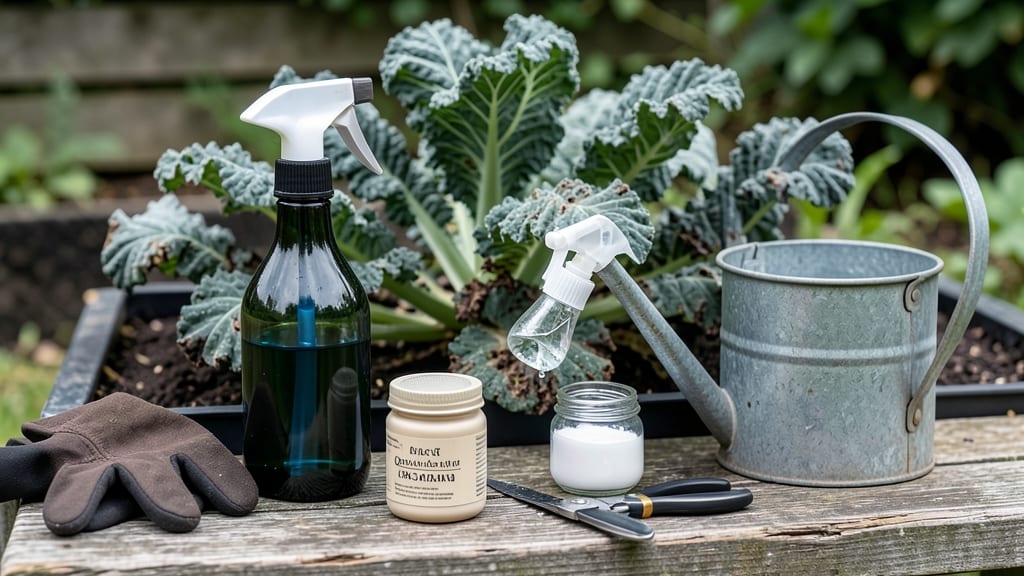
Removing fungus from your garden is easier than you think—especially when you use natural, chemical-free methods that actually work.
Fungus in your garden doesn’t just ruin the look of your plants—it can spread quickly and kill your hard-earned crops if left unchecked. The good news? You don’t need harsh chemicals to banish it. This guide reveals organic, effective methods to remove fungus and restore your garden’s health—without toxic residues.
From common issues like powdery mildew to stubborn rust spots, we’ll walk you through five proven organic treatments that target the root of the problem. No fancy tools or expensive sprays required—just simple, science-backed solutions you can mix at home.
Ready to save your plants and keep your garden thriving? Let’s get started with step-by-step instructions that prevent fungus from coming back.
5 Organic fungicides to eliminate garden fungus naturally
Fungal infections like powdery mildew, black spot, and leaf rust can devastate your garden if ignored. The key to organic control lies in preventive sprays and targeted treatments that disrupt fungal spores without harming your plants or the environment.
These five science-backed solutions use common household items and natural extracts to restore plant health safely.
Before applying any treatment, remove infected leaves and ensure proper air circulation around plants. Organic fungicides work best when applied early in the morning or late afternoon to avoid burning foliage in direct sunlight. Always test a small area first to check for sensitivity.
| Treatment | Mixing Ratio | Best For | Frequency |
|---|---|---|---|
| Baking Soda Spray | 1 tbsp baking soda + 1 quart water + 1 tsp horticultural oil | Powdery mildew, early-stage infections | Every 7-10 days |
| Neem Oil Solution | 1 tbsp neem oil + 1 tsp mild soap + 1 quart water | Black spot, rust, general fungal prevention | Every 2-3 weeks |
| Copper Soap Spray | 1 tbsp copper fungicide (5% copper) + 1 gallon water | Late blight, severe rust infections | Every 10-14 days |
| Hydrogen Peroxide | 1 part 3% hydrogen peroxide + 3 parts water | Root rot, soil-borne fungi | Every 3-4 weeks (soil drench) |
| Garlic & Chili Spray | 1 crushed garlic clove + 1 tsp cayenne pepper + 1 quart water (steep 24 hrs) | Early fungal signs, preventive spray | Every 5-7 days |
Baking soda spray is my go-to for powdery mildew on roses and cucumbers. The alkaline environment disrupts fungal spores while being gentle on plants. For stubborn cases, combine it with a few drops of dish soap (not detergent) to help it stick to leaves. Always use food-grade baking soda and avoid overapplying—more isn’t better.
Neem oil is a powerhouse for black spot on roses and rust on fruit trees. It works by disrupting fungal cell membranes and contains azadirachtin, a natural fungicidal compound. For best results, apply when humidity is low (early morning) and avoid spraying in direct sun to prevent leaf burn.
For severe infections like late blight on tomatoes, copper fungicides are unmatched. Copper ions create an oxidative environment that kills fungal spores on contact. However, use it sparingly—copper can build up in soil over time. Rotate with organic options to maintain soil health.
Hydrogen peroxide is a hidden gem for soil-borne fungi like root rot. A 3% solution (the kind you buy at pharmacies) is safe for plants when diluted properly. Drench the soil around infected plants to sterilize the root zone. The bubbling action releases oxygen, which suffocates anaerobic fungi.
My garlic-chili spray is a preventive favorite for high-risk plants like peppers and tomatoes. The allicin in garlic and capsaicin from chili peppers create an inhospitable environment for fungal spores.
Plus, it smells amazing and deters pests like aphids. Store leftover spray in the fridge for up to 5 days.
When treating fungus, consistency is key. Apply your chosen remedy every 7-14 days during active growth seasons (spring through fall). Combine treatments with proper plant spacing and pruning for airflow to create an environment where fungi can’t thrive.
For container gardens, reduce watering frequency to keep soil less hospitable to spores.
Remember: prevention beats cure. Healthy plants with good airflow, balanced soil, and proper watering habits resist fungal infections naturally. If you catch fungus early, most organic treatments will eliminate it within 2-3 applications**. For persistent problems, combine methods—like using neem oil weekly and copper spray biweekly.
🌱💧☀
Preventative care: how to stop fungus recurrence in your garden
Once you’ve eliminated fungal infections from your garden, the real challenge begins: keeping them from returning. Fungus thrives in predictable conditions—moisture, poor airflow, and nutrient-rich soil—so the key to prevention is disrupting its favorite environment.
By implementing a few long-term strategies, you can create a garden ecosystem where fungus struggles to take hold. Start with proper plant spacing and airflow optimization, as these alone can reduce fungal spores by up to 70%.
Healthy soil is the foundation of a fungus-resistant garden. Soil pH balance (aim for 6.0–7.0) and regular composting not only feed your plants but also encourage beneficial microbes that outcompete fungal pathogens.
Choosing resistant plant varieties is another game-changer—some plants are naturally less susceptible to common fungal diseases, like powdery mildew or black spot. For example, disease-resistant roses or powdery mildew-tolerant squash varieties can save you endless treatments.
- ✅ Space plants properly—aim for 3–6 inches apart for herbs, 12–18 inches for vegetables, and 3–5 feet for shrubs to ensure good airflow.
- ✅ Mulch with organic matter like straw or wood chips to regulate soil moisture and suppress spores.
- ✅ Test and adjust soil pH—most fungi prefer acidic soil (pH < 6.0), so amend with lime to raise pH if needed.
- ✅ Rotate crops annually to prevent soil-borne fungus buildup—never plant the same family (e.g., tomatoes, peppers) in the same spot.
- ✅ Water at the base in the early morning to dry leaves quickly and reduce humidity around foliage.
Airflow is your garden’s first line of defense against fungus. Overcrowded plants create the perfect humid microclimate for spores to spread. Thin out seedlings early and prune dense foliage to improve circulation.
If you’re growing in containers, choose well-draining pots and avoid overpotting—root-bound plants stress easily and become fungus magnets. For larger gardens, consider drip irrigation instead of overhead watering to keep leaves dry.
Soil health is often overlooked but critical. Composting regularly adds beneficial microbes that outcompete fungal pathogens. If your soil is too acidic, add pelletized lime to raise the pH, while sulfur can lower it if needed.
A simple soil test kit (available at garden centers) will tell you exactly what amendments your garden needs. For example, blueberries thrive in acidic soil (pH 4.5–5.5), but most vegetables prefer neutral to slightly alkaline soil (pH 6.0–7.0).
Selecting fungus-resistant plant varieties can save you from endless treatments. Many nurseries now label plants with disease resistance codes, such as ‘Blight Resistant’ or ‘Mildew Tolerant’. For instance, ‘Celebrity’ tomatoes are bred to resist early blight, while ‘Honeynut’ squash is powdery mildew-resistant.
Even if you can’t replace all your plants, prioritize upgrading high-value crops or susceptible varieties like roses or phlox.
Finally, monitor your garden regularly for early signs of fungus—yellowing leaves, white powdery coatings, or black spots. Catching issues early means less severe treatments and faster recovery.
Keep a small notebook or use a gardening app to track plant health trends and adjust your strategies seasonally. With these preventative habits, your garden will become a fungus-resistant fortress! 🌱