
Tools
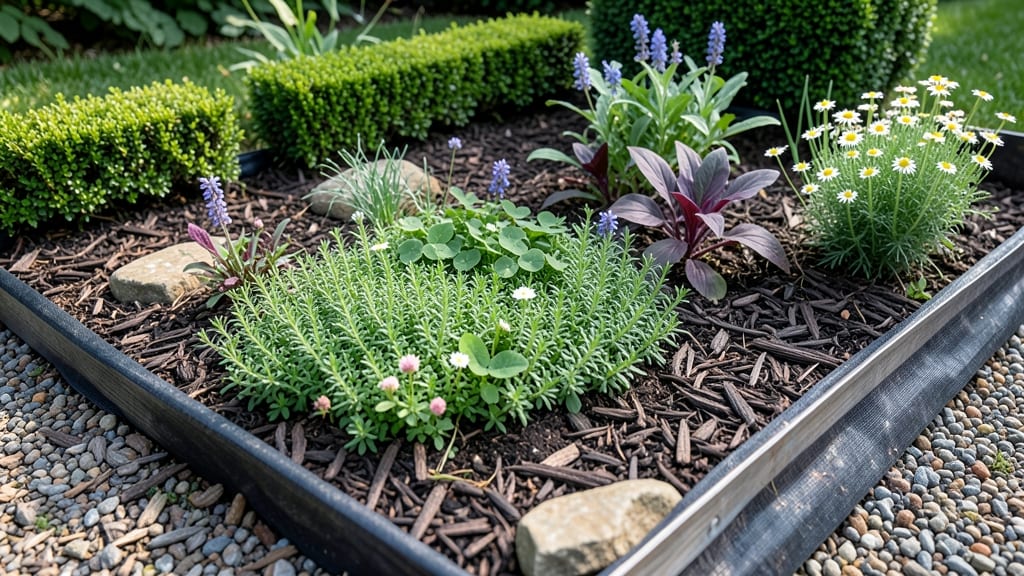
Putting mulch, gravel, or landscape fabric around raised garden beds creates a protective barrier that reduces weeds, locks in moisture, and maintains clean borders while protecting soil from erosion and pests.
This setup isn't just about aesthetics—it's a functional system that works differently depending on your climate and garden style. Mulch like wood chips breaks down over time, enriching soil with nutrients, while gravel stays inert but improves drainage in wetter regions. Landscape fabric acts as a long-term weed barrier but requires proper installation to avoid trapping moisture. 🌱 I've found that combining materials—like gravel on the outside and mulch on the inside—often gives the best results for both function and appearance.
For example, in hot climates, mulch helps regulate soil temperature, while in rainy areas, gravel prevents erosion. The key is matching your choice to both your garden's needs and your maintenance preferences—some materials require more frequent replacement than others.
💡 In This Article
- How Mulch, Gravel and Fabric Affect Raised Bed Soil Health
- Best Materials for Raised Garden Bed Edging by Climate and Style
How mulch, gravel and fabric affect raised bed soil health
The science behind these materials comes down to three key functions: moisture retention, temperature regulation, and weed suppression. Organic mulches like wood chips or straw work by creating a protective layer that slows evaporation—studies show they can reduce water loss by up to 70% compared to bare soil.
This happens because the mulch blocks sunlight, which would otherwise heat the soil and accelerate moisture evaporation. The decomposition process also releases organic matter that improves soil structure over time, increasing its water-holding capacity by 10-15%. 🌱
Gravel takes a different approach by reflecting sunlight rather than absorbing it, which helps maintain cooler soil temperatures—ideal for regions with intense sun exposure. Its porous nature also improves drainage in heavy clay soils, preventing waterlogging that can suffocate plant roots.
However, unlike mulch, gravel doesn't decompose or add nutrients to the soil, making it a purely functional choice for moisture control and erosion prevention. Landscape fabric operates as a physical barrier that blocks light from reaching weed seeds, preventing germination while allowing water and air to penetrate the soil below.
Temperature regulation is where these materials truly shine in different climates. In hot summers, mulch can keep soil temperatures 5-10°F cooler than exposed soil, while gravel reflects heat away. This temperature control affects plant growth—cool soil encourages root development, while warm soil speeds up germination.
The decomposition of organic mulches also generates heat through microbial activity, which can be beneficial in cooler climates where soil temperatures struggle to rise. 🌡️
Weed suppression works through different mechanisms for each material. Organic mulches smother weeds by blocking light, while their physical weight can crush emerging seedlings. Gravel prevents weed seeds from taking root by creating an inhospitable surface, though it doesn't stop seeds from blowing into the bed.
Landscape fabric is the most effective long-term solution for weed control, but improper installation (like leaving gaps) can actually trap moisture and create ideal conditions for fungal growth. The key is understanding that each material trades off between short-term benefits and long-term soil health.
Consider this practical example: In a zone 7 climate with moderate rainfall, I've found that a 3-inch layer of hardwood mulch around tomato beds retains moisture while gradually enriching the soil. The mulch breaks down slowly enough to provide consistent benefits throughout the growing season without needing replacement.
In contrast, a gravel border around the same bed would prevent erosion from occasional heavy rains while keeping the soil cooler during summer heatwaves. The choice depends entirely on whether you prioritize soil enrichment or temperature control.
What most gardeners don't realize is how these materials interact with existing soil conditions. For instance, in sandy soils that drain too quickly, mulch helps retain moisture by slowing water movement through the soil profile.
In clay soils that stay too wet, gravel improves drainage while preventing erosion from heavy rains. The material you choose should complement—not compensate for—your native soil's characteristics. 🌿