
Fertilization
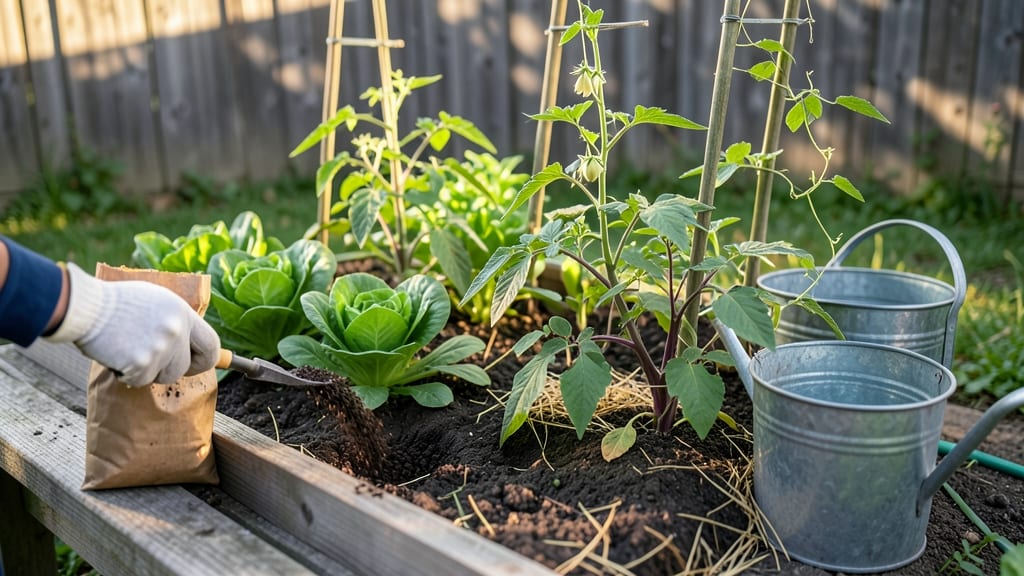
Incorporating coffee grounds in the vegetable garden boosts soil health by providing nitrogen, deterring pests like slugs, and activating beneficial microbes, but they must be composted first to avoid mold and excessive acidity.
Coffee grounds act like a natural fertilizer because they break down into nitrogen-rich compost over time, which plants crave for leafy growth. 🌱 The caffeine in grounds also repels slugs and snails, making them a dual-purpose garden helper.
However, fresh grounds can lower soil pH too much—mixing them into compost first balances their acidity while letting microbes pre-process the nutrients for faster absorption.
For best results, sprinkle 1-2 cups of composted grounds around plants that love acidity, like tomatoes and blueberries, but avoid overdoing it near delicate veggies such as lettuce.
I’ve found that working them into the top inch of soil in early spring gives plants a slow-release nutrient boost all season long.
💡 In This Article
- How Coffee Grounds Benefit Vegetable Garden Soil Chemistry
- Best Practices for Applying Coffee Grounds to Vegetables
How coffee grounds benefit vegetable garden soil chemistry
Coffee grounds work as a soil amendment because they're roughly 2% nitrogen by dry weight—a nutrient plants desperately need for lush green growth. When grounds decompose, microbes break them down into ammonium (NH₄⁺), which plants absorb through their roots.
This process releases nitrogen gradually over 2-4 weeks when composted, compared to 1-2 days for fresh grounds that can burn plants with their concentrated ammonia. The breakdown also releases trace minerals like magnesium and potassium, though in smaller amounts.
The pH impact is where fresh versus composted grounds differ dramatically. Fresh grounds have a pH of about 4.85-5.1—similar to vinegar—which can acidify soil over time, harming acid-sensitive vegetables like beans or carrots.
However, when composted for 2-3 months, the pH rises to 6.0-6.5 (neutral range), making them safe for most garden plants. The composting process also eliminates caffeine (which breaks down completely in 6-8 weeks), removing any potential phytotoxicity concerns.
Microbial activity is the secret weapon behind coffee grounds' benefits. The organic matter provides food for beneficial bacteria and fungi that create a thriving soil ecosystem. Studies show composted coffee grounds can increase microbial populations by 30-50% compared to untreated soil, leading to better nutrient cycling and disease suppression.
You'll notice healthier roots and fewer fungal issues in plants receiving coffee-amended soil, thanks to these microscopic helpers outcompeting pathogens.
Nutrient release rates vary by application method. Surface application lets rain wash nutrients down, while mixing into the top 2-3 inches of soil creates a slow-release reservoir.
For example, composted grounds applied at 1 cup per square yard provide enough nitrogen for leafy greens like spinach, while 2 cups per plant supports heavy feeders like tomatoes. The key is balance—too much creates a "caffeinated" soil environment that stunts growth rather than stimulates it.
Consider this visual comparison: fresh grounds act like a fast-acting chemical fertilizer, while composted grounds function more like a slow-release organic amendment. The texture changes too—fresh grounds are coarse and gritty, while composted grounds become dark, crumbly, and earthy-smelling, almost like rich topsoil.
This transformation is why composting is non-negotiable for vegetable gardens.
What most gardeners don't realize is how coffee grounds improve soil structure. Their fibrous nature helps create air pockets when mixed into clay soils, while sandy soils benefit from their moisture-retaining properties.
The result? Soil that drains well but holds enough water for roots to access nutrients consistently—a perfect growing medium for vegetables.