
Tools
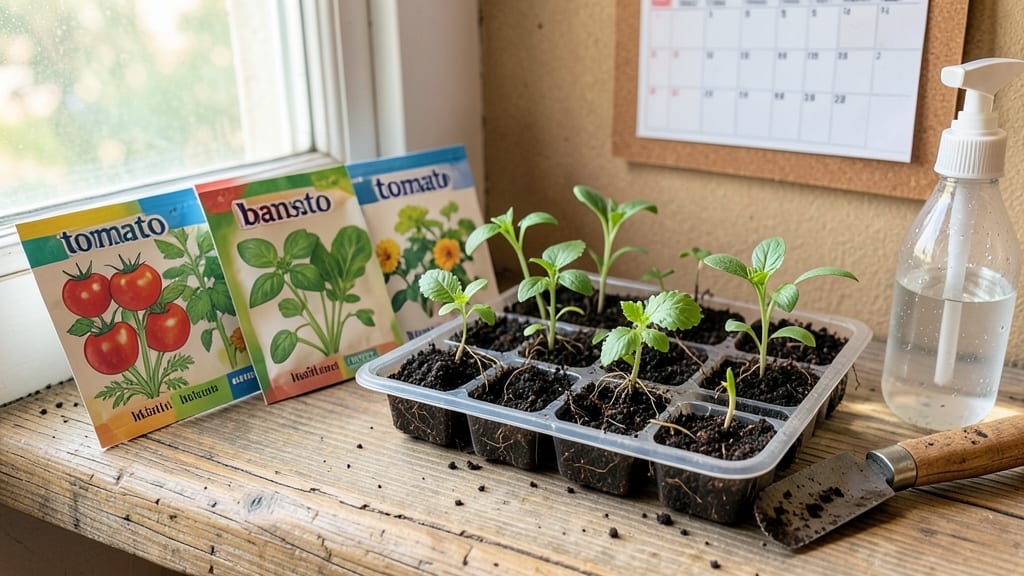
Starting garden seeds at the right time ensures healthy, vigorous plants ready for transplanting when the weather cooperates — and most gardeners miss the mark every year.
Timing your garden seeds perfectly can mean the difference between a thriving harvest and wasted effort. Whether you're growing General Garden Seeds 🌱 in USDA Zone 6a or another climate, getting this step wrong leads to leggy seedlings, missed harvests, or both.
But here’s the good news: with a few simple adjustments based on your last-frost date and plant type, you can align your seed-starting schedule with nature’s calendar.
I’ll walk you through how to calculate your ideal window, avoid common mistakes, and tailor your approach for cool-season crops like lettuce versus warm-season stars like tomatoes.
By the end, you’ll have a clear, actionable plan to start seeds at the perfect moment—no more guesswork, just stronger plants and a more productive garden.
How to calculate your last-frost date for seed starting
Timing your garden seeds perfectly can mean the difference between a thriving harvest and wasted effort—yet most gardeners get this critical step wrong every year. The last-frost date is your garden's golden rule, marking when it's safe to plant cold-sensitive crops outdoors.
But how do you find it? It's not just about your USDA zone—microclimates, elevation, and historical weather patterns all play a role. Let's break it down step by step so you can start seeds with confidence.
First, locate your USDA hardiness zone using the official USDA Plant Hardiness Zone Map. This map divides the U.S. into 13 zones based on average annual minimum temperatures.
For example, Zone 5 has a last frost around April 15, while Zone 9 might see frost as late as January 15. But here's the catch: these dates are averages, and your actual last frost could be 2 weeks earlier or later depending on local conditions.
| USDA Zone | Avg Last-Frost Date (Range) | Adjustment Tips | Key Plant Groups |
|---|---|---|---|
| Zone 3 | May 1 - May 15 | Add 1-2 weeks for high elevations | Peas, spinach, kale |
| Zone 5 | April 15 - April 30 | Check local almanac for frost pockets | Lettuce, carrots, broccoli |
| Zone 7 | March 15 - March 31 | Subtract 1 week for coastal areas | Tomatoes, peppers, basil |
| Zone 8 | February 15 - February 28 | Use row covers for early starts | Cucumbers, squash, melons |
| Zone 9 | January 15 - February 15 | Monitor for late frosts until March | Okra, sweet potatoes, eggplant |
| Zone 10 | December 15 - January 15 | Plant year-round in frost-free areas | Tropical flowers, citrus |
| Zone 11 | No frost (year-round) | Use seasonal planting guides | All tropical plants |
Once you've identified your zone, cross-reference with local historical data. Websites like the National Oceanic and Atmospheric Administration (NOAA) or your state's agricultural extension service provide detailed frost records.
For example, if your zone's average last frost is April 15 but NOAA shows your area has a 30% chance of frost on April 30, you might want to adjust your timeline. This is especially critical for warm-season crops like tomatoes and peppers, which can't tolerate even light frosts.
Don't forget about microclimates—these small-scale variations can drastically affect your last frost date. A south-facing slope warms up faster and may be frost-free 2 weeks earlier than your average date. Conversely, valleys and low-lying areas often experience frost 1-2 weeks later due to cold air settling.
If you're unsure, observe your garden over 3-5 years and note when frost occurs in different areas. You can also ask long-time local gardeners—they often have invaluable insights!
For a more precise approach, use online frost calculators like the Old Farmer's Almanac or Gardeners.com's Frost Date Finder. These tools factor in your zip code, elevation, and even nearby water bodies to give you a tailored estimate.
For instance, if you live near a large lake, your last frost might be delayed by 1-3 weeks compared to inland areas. Always input your exact location for the most accurate results.
Pro tip: If you're starting seeds indoors, calculate your transplant date first. Most seedlings need 6-8 weeks to mature before going outside. For example, if your last frost is April 15 and you're growing tomatoes (which need 8 weeks indoors), you should start seeds by February 15.
This backward planning ensures your seedlings are ready at the perfect time. Use a
Seed starting timeline by plant type (cool vs warm season)
Getting your seed starting timeline right depends on whether your plants thrive in cool weather or need warm soil. Cool-season crops like lettuce and peas love temperatures below 70°F, while warm-season plants such as tomatoes and peppers need soil above 60°F to germinate.
Start too early or late, and you risk leggy seedlings or missed harvests.
Most gardeners use their last frost date as the anchor point for timing. For example, if your last frost is April 15, you'll adjust your seed-starting schedule based on whether you're growing cold-hardy greens or heat-loving tomatoes.
Below is a breakdown of when to start seeds for both categories.
Pro Tip: Use a grow light for indoor starts—natural sunlight alone often isn’t enough for strong seedlings. Place trays under lights 12–16 hours daily to mimic spring conditions.
For cool-season crops, start seeds indoors 6–8 weeks before your last frost date. These plants handle cooler temperatures and can even tolerate light frosts. Lettuce and spinach are classic examples—plant them too late, and they’ll bolt (go to seed) before you harvest.
Warm-season plants like tomatoes and peppers need warmth to germinate, so wait until 4–6 weeks before your last frost. If you start them too