
Advice
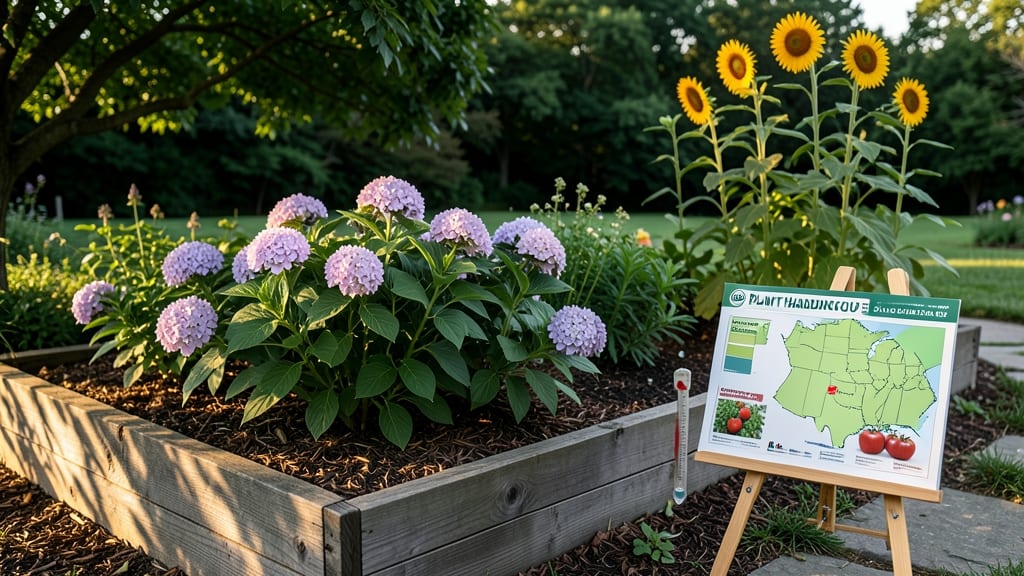
Cincinnati, Ohio’s gardening zone is 6a-6b, where frost dates and plant hardiness decide what thrives in your yard.
If you’ve ever picked up a seed packet only to freeze when the label says “plant after last frost,” you know how critical this zone is.
In Zone 6a-6b, average winter lows dip to -10°F to 0°F, meaning tender annuals like tomatoes and peppers need to wait until April 15 or later—while perennials like lavender and coneflowers shrug off the cold.
This zone also shapes your planting windows: spring crops go in April-May, and fall veggies like kale and spinach must be in by September to mature before the first frost. Get the timing wrong, and you’re left with bolted lettuce or frozen seedlings.
Below, I’ll break down how to use this zone to pick the right plants, adjust your schedule for Cincinnati’s climate, and even check your own zone anywhere in the U.S. with a simple tool.
Cincinnati's USDA zone 6a-6b: what it means for your garden
If you're planning your Cincinnati garden, understanding your USDA Hardiness Zone 6a-6b is essential. This classification—based on average annual minimum temperatures of -10°F to 0°F—determines which plants thrive in your area.
For Cincinnati, this means frost dates matter most, with last spring frosts around April 15 and first fall frosts near October 15. These dates shape your planting windows and help you avoid frost damage to tender plants.
Zone 6a-6b affects everything from when to plant to which perennials survive winter. For example, frost-sensitive crops like tomatoes and peppers need to be started indoors and transplanted after the last frost.
Meanwhile, hardy plants like roses and daylilies can handle the cold and often bloom earlier in the season. Knowing your zone helps you match plants to Cincinnati’s 165 frost-free days, maximizing your garden’s potential.
| Factor | Zone 6a-6b Details | Gardening Impact |
|---|---|---|
| Average Min Temp | -10°F to 0°F | Determines hardy perennials and winter survival |
| Last Frost Date | April 15 | Safe to plant frost-sensitive crops after this date |
| First Frost Date | October 15 | Time to harvest or protect tender plants |
| Frost-Free Days | 165 days | Longer growing season for warm-season crops |
| Ideal Planting Window | April–May, Sept–Oct | Best times to sow seeds or transplant seedlings |
| Soil Warm-Up | 60°F+ by late April | Critical for germination of warm-season crops |
Your zone also influences soil preparation. Cincinnati’s clay-heavy soil benefits from amendments like compost to improve drainage, especially before spring planting. Since Zone 6a-6b experiences moderate winter chill, it’s perfect for fruit trees like apple and pear, which require dormancy to produce fruit.
Meanwhile, tropical plants like citrus or bougainvillea will struggle without winter protection.
For season extension, use row covers or cold frames to protect plants during late spring or early fall. This can add 2–4 weeks to your growing season, letting you enjoy crops like lettuce or spinach into November or start tomatoes earlier in April.
Always check the USDA Plant Hardiness Zone Map for updates, as microclimates in your yard (like south-facing slopes) may allow slightly earlier planting.
When selecting plants, prioritize native species like black-eyed Susans or coneflowers, which thrive in Zone 6a-6b with minimal care. These plants have adapted to Cincinnati’s humid summers and cold winters, reducing your maintenance workload.
For vegetables, focus on cool-season crops like kale or peas for early spring and warm-season crops like peppers for summer, aligning with your zone’s frost dates.
Understanding your zone helps you avoid common mistakes, such as planting tender annuals too early or assuming all perennials are winter-hardy. For example, geraniums may survive winter in Zone 6a-6b, but coleus will not—knowing this difference prevents disappointment.
Always verify plant tags or use resources like the USDA zone finder to confirm suitability before purchasing.
Cincinnati’s humidity and variable weather also play a role. Zone 6a-6b gardens often face late spring frosts or early fall freezes, so having a backup plan—like a greenhouse or cold frame—can save your plants.
For instance, if a late April frost is forecasted, protect young seedlings with frost cloth to prevent damage. This proactive approach ensures your garden stays productive despite Cincinnati’s unpredictable climate.
Finally, your zone affects pest and disease pressure. Warmer winters in Zone 6a-6b can lead to increased pest activity in early spring, so monitor plants closely. Use organic mulches to suppress weeds and retain moisture, which is especially important during Cincinnati’s hot, dry summers.
By aligning your gardening practices with your zone’s realities, you’ll create a resilient, thriving garden that makes the most of Cincinnati’s unique climate.
Start by checking the USDA zone map for your exact location—even small differences in elevation can shift your microclimate. For Cincinnati, this means paying close attention to microclimates like urban heat islands or shaded areas, which may allow slightly different planting times.
With this knowledge, you’ll confidently select plants, time your plantings, and enjoy a bountiful garden all season long. 🌱
Best plants to grow in Cincinnati’s zone 6a-6b climate
Cincinnati’s Zone 6a-6b climate offers a perfect mix of four distinct seasons and moderate humidity, making it ideal for a diverse garden.
With last frost dates around April 15 and first frosts in mid-October, you’ve got a 165-day growing season—plenty of time for both cool-season and warm-season crops.
The key is selecting plants that thrive in these cold winters and hot summers while matching their care needs to Cincinnati’s unique microclimates.
For beginner-friendly options, focus on low-maintenance perennials and fast-growing annuals that tolerate Cincinnati’s variable rainfall and occasional heatwaves. Whether you’re growing vegetables for harvest, flowers for pollinators, or shrubs for year-round interest, these plants will reward you with minimal fuss.
Let’s dive into the top performers for your Cincinnati garden.
🌱 Top Vegetables for Cincinnati’s Zone 6a-6b
- Tomatoes – Plant after May 1; choose heirloom varieties like 'Brandywine' for heat tolerance.
- Broccoli – Cool-season crop; sow seeds in March-April or August-September for fall harvest.
- Green Beans – Bush varieties like 'Blue Lake' thrive in full sun and mature in 50-60 days.
- Potatoes – Plant early spring (March-April); harvest when flowers appear for best flavor.
- Kale – Cold-hardy; sow in early spring or late summer for winter harvests.
🌸 Best Flowers for Pollinators & Color
- Coneflowers – Drought-tolerant perennials; attract butterflies and bees all season.
- Black-Eyed Susans – Low-maintenance; bloom from July to October with minimal care.
- Marigolds – Annuals that repel pests; plant in May-June for summer color.
- Daylilies – Perennial workhorses; thrive in partial shade and humid climates.
🌿 Hardy Shrubs for Year-Round Interest
- Butterfly Bush – Drought-resistant; attracts butterflies and hummingbirds with fragrant blooms.
- Boxwood – Evergreen; perfect for hedges or borders with low maintenance.
- Viburnum – Four-season interest; offers spring flowers, summer berries, and fall color.
- Hydrangeas – Thrives in Cincinnati’s humidity; plant in partial shade for best blooms.
When selecting plants, prioritize native species or regionally adapted varieties, as they’ve evolved to handle Cincinnati’s hot summers and cold winters.
For example, native milkweed supports monarch butterflies, while local apple tree varieties like 'Liberty' resist common Ohio diseases. Mulching in late spring helps retain moisture during Cincinnati’s occasional drought spells, and drip irrigation ensures consistent watering without waste.
For first-time gardeners, start with easy-to-grow perennials like lavender or Russian sage, which require minimal pruning and drought tolerance. Pair them with fast-maturing vegetables like radishes (30 days) or bush beans (50 days) to see quick results.
Remember, Cincinnati’s soil can be clay-heavy—amend with compost in early spring to improve drainage and fertility.
With the right plant choices, your Zone 6a-6b garden can flourish year-round, from spring bulbs to fall mums and winter-interest shrubs. Happy planting! 🌿