
Planting
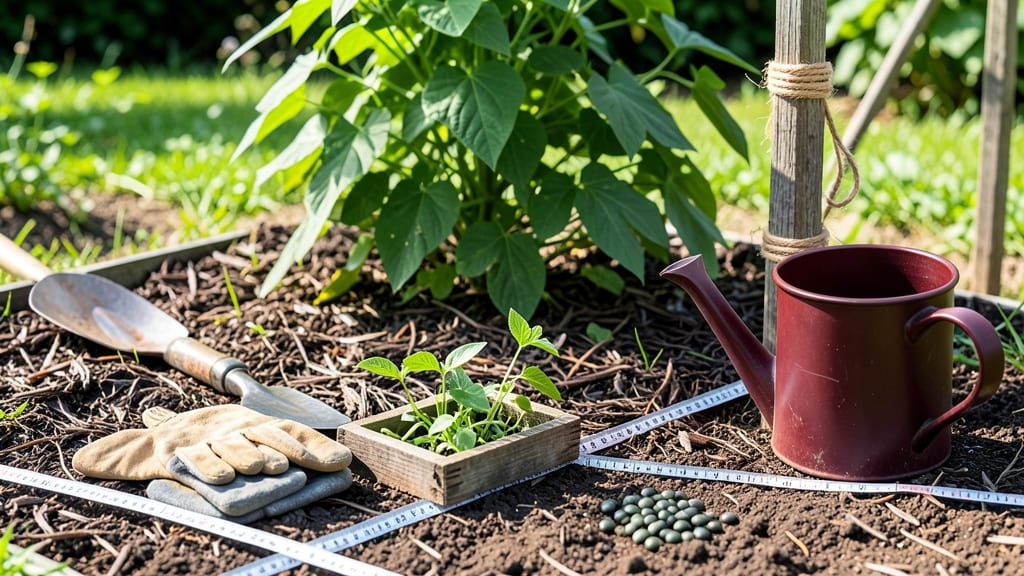
Planting green beans in your garden can be a fast and rewarding way to grow a productive crop—if you get the soil depth and timing right from day one.
Struggling to get your 🌱 green beans to sprout quickly? The secret lies in mastering soil depth and timing—small adjustments that can transform your garden’s success rate. Too deep, and they’ll take forever to break through; too shallow, and they’ll dry out before they even start.
You don’t need a green thumb to pull this off—just a few key tricks, like planting seeds 1 inch deep in warm soil and keeping them consistently moist.
Whether you’re growing bush beans for easy picking or pole beans for a vertical harvest, these steps will set you up for a bountiful summer.
Below, I’ll walk you through the exact soil prep, spacing, and early care tips to ensure your green beans germinate in just 5-10 days and keep producing all season long.

Optimal soil depth and planting techniques for fast green bean germination
Green beans are one of the fastest-growing vegetables in your garden, but their speed starts with the right planting depth and soil conditions. When planted correctly, you can expect those first green shoots to appear in just 5-10 days.
The key? Getting the soil temperature, moisture, and seed placement just right. I’ve learned through trial and error that even small mistakes—like planting too deep or waiting for cold soil—can delay germination by weeks.
For the fastest results, aim for a soil temperature of 60-85°F at planting time. Green beans are warm-season crops, meaning they won’t sprout well in chilly soil.
Test your soil with a thermometer—if it’s below 60°F, wait a few more days or use black plastic mulch to warm it up faster. Patience here pays off, as cooler soil slows down enzymatic activity in the seed, delaying germination.
Now, let’s talk planting depth. Most gardeners make the mistake of burying seeds too deep, thinking it’ll protect them. But green bean seeds need just 1-2 inches of soil coverage to sprout efficiently.
Any deeper, and they’ll struggle to push through the soil, wasting precious energy. Think of it like a tiny seedling breaking through a thick blanket—too much resistance, and it won’t make it out.
Soil moisture is equally critical. While you don’t want soggy soil (which can cause rot), seeds need consistent moisture to germinate. Water the soil to a depth of 1 inch before planting, then keep it evenly moist—like a wrung-out sponge—until the seeds sprout. A light misting every 2-3 days usually does the trick, but adjust based on your climate. Overwatering can suffocate seeds, while underwatering leaves them high and dry.
Here’s a pro tip I picked up from my local extension office: if you’re planting in cooler climates, consider using a seedling heat mat or planting in a south-facing bed that warms up faster. Even a difference of 5°F can cut germination time in half.
And if you’re in doubt about soil temperature, press your hand into the soil—if it feels warm to your touch (like a cozy sweater), it’s likely in the right range.
Once you’ve planted your seeds at the correct depth, mark the rows with stakes or flags so you don’t accidentally disturb them while watering or weeding. Green bean seedlings are delicate, and even a gentle tug can uproot them before they’ve had a chance to establish roots.
I like to use biodegradable plant labels for this—no need to dig them out later.
After planting, monitor the soil closely for the first 7-10 days. If the top inch of soil dries out, give it a light watering to keep it consistently moist. Avoid using a sprinkler, as the force can dislodge seeds or wash them away.
Instead, use a gentle watering can with a fine rose or a soaker hose set to a low flow. This ensures moisture goes directly to the seeds without disturbing them.
One common mistake I see is assuming that once seeds are planted, they’re out of sight and out of mind. But green beans need consistent care right from the start. Thin seedlings to the recommended spacing (4-6 inches apart) once they’re 2 inches tall.
This might sound harsh, but it prevents overcrowding and ensures each plant gets enough nutrients and sunlight to thrive. Trust me, your future harvest will thank you!
For even faster germination, try soaking your seeds in lukewarm water for 4-6 hours before planting. This softens the seed coat and kickstarts the germination process. Just be sure to plant them immediately after soaking—don’t let them dry out.
I’ve seen this method cut germination time by nearly 2 days, which is a game-changer if you’re eager to see those first green shoots.
Finally, keep an eye out for pests like cutworms or birds that might snack on your seeds. A light application of diatomaceous earth around the planting area can deter pests without harming your plants.
And if you’re planting in a garden bed, consider adding a row cover until the seedlings are established—it’s like giving them a tiny, protective blanket while they grow.
Best green bean varieties for quick growth and soil conditions
Choosing the right green bean variety can make all the difference in your garden's success. Bush beans like 'Blue Lake' sprout quickly and produce heavy yields in compact spaces, while pole beans such as 'Kentucky Wonder' climb trellises for continuous harvests.
Both thrive in well-draining soil with a pH of 6.0-7.0—test your soil to avoid nutrient deficiencies that slow growth.
For fastest germination, opt for bush varieties like 'Contender' or 'Provider,' which mature in just 50-55 days. Pole beans take slightly longer (60-65 days) but reward you with longer harvest seasons.
Amending your soil with compost before planting ensures these varieties reach their full potential, especially in heavy clay or sandy soils.
Companion planting is another game-changer. Pair your beans with corn and sunflowers—corn provides shade, sunflowers deter pests, and both improve soil structure. Avoid planting near onions or garlic, as their strong aromas inhibit bean growth. A simple trick: interplant marigolds around the edges to repel bean beetles naturally.
Don’t overlook soil temperature—green beans need warm soil (60°F+) to germinate. Use a seedling heat mat in early spring if your climate is cool. For container gardening, choose bush varieties in 10-inch deep pots with well-draining mix.
Add a slow-release fertilizer at planting to fuel early growth without burning tender roots.
My top recommendation for beginners? Start with 'Blue Lake' bush beans—they’re disease-resistant, produce abundant pods, and thrive in partial shade if needed. For extended harvests, try 'Kentucky Wonder' pole beans on a trellis. Just remember: consistent moisture and regular harvesting keep plants productive all season.
Pro tip: Save seeds from your best-performing plants! Dry pods completely, remove seeds, and store in a cool, dark place for next year’s garden. This ensures you’re growing adapted varieties that thrive in your specific soil and climate.