
Plants
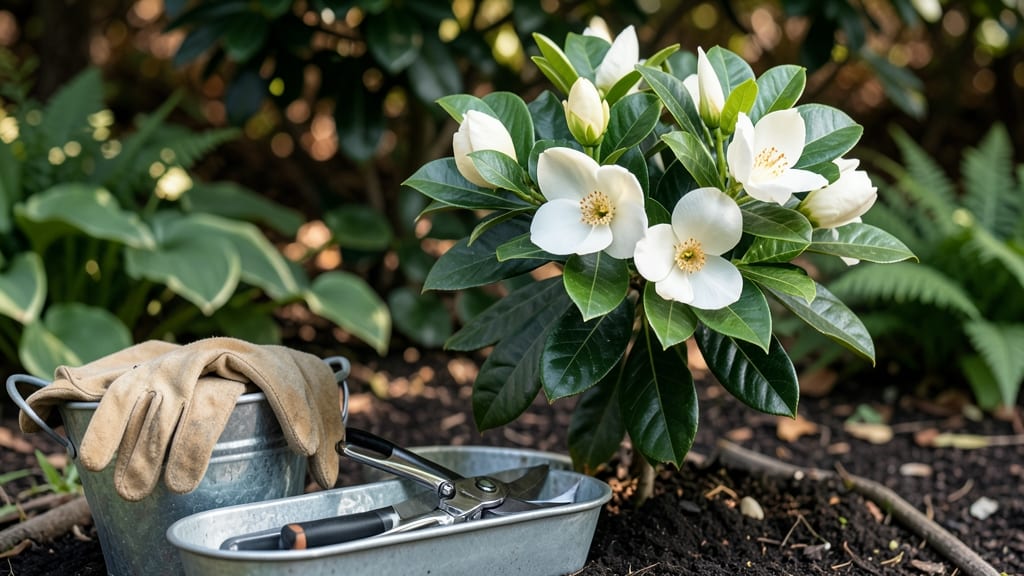
To prune gardenia plants 🌸 at the right time ensures more blooms and healthier growth, but many gardeners get the timing wrong and end up with sparse flowers or leggy stems.
Picture this: You’ve spent months waiting for those fragrant white blooms, only to prune at the wrong time and watch your gardenia struggle to recover—or worse, fail to flower at all. The key is knowing when to trim without sacrificing next season’s beauty.
Gardenia plants thrive in USDA Zones 6a-10a, but the best pruning window shifts depending on your climate. In cooler regions like Zone 6, late winter or early spring (just after the last frost) is ideal, while warmer zones can handle light shaping in summer.
In this guide, I’ll walk you through the exact timing, step-by-step techniques, and post-pruning care to keep your gardenia lush, fragrant, and blooming year after year.
Best times to prune gardenia plants for maximum blooms
Pruning your gardenia plants at the right time ensures abundant blooms and promotes healthy growth. These fragrant shrubs thrive when pruned strategically, with timing varying based on your climate zone and the plant's natural growth cycle.
The key is to avoid pruning during active flowering, as this can reduce next year's blooms.
Most gardeners focus on two primary pruning windows: late winter/early spring and post-bloom summer. Each serves a different purpose—spring pruning encourages new growth, while summer pruning maintains shape and removes spent flowers. For USDA Zones 6-10, these windows shift slightly to accommodate frost risks and heat waves.
| Season | Pruning Time | Purpose | Climate Notes |
|---|---|---|---|
| Late Winter | After last frost (Feb-Mar, Zone 6) | Remove dead/damaged wood | Wait until soil thaws in cold zones |
| Early Spring | Post-dormancy (Mar-Apr) | Light shaping (1/3 max) | Avoid pruning before buds swell |
| Post-Bloom Summer | June-July (after flowers fade) | Deadhead and shape | Critical for warm zones (8-10) |
| Fall | Minimal (Oct-Nov) | Remove only diseased branches | Stop pruning before first frost |
In USDA Zones 6-7, where winters are colder, focus on late winter pruning after the last frost date. This timing aligns with the plant's natural dormancy break and gives new growth time to harden off before summer heat.
For Zones 8-10, summer pruning becomes more critical due to year-round growth cycles.
Never prune during active bloom season (typically May-June), as this can remove next year's flower buds that form on old wood. Gardenias are unique because their blooms develop on previous year's growth, so aggressive summer cuts can reduce flowering potential.
Instead, wait until 70% of blooms have faded before deadheading.
For container-grown gardenias, timing adjustments are needed. Since pots dry out faster, prune slightly earlier in spring to encourage compact growth and prevent root-bound stress. In Zone 10, where frost is rare, you can prune lightly in September to shape the plant before winter rains arrive.
Watch for new growth flushes after pruning—these indicate successful timing. If your gardenia produces yellow leaves or sparse blooms post-pruning, you may have cut too late in the season. Always use sterilized pruners to prevent disease spread, especially in humid climates.
Mulch heavily after pruning to retain moisture and protect roots. In drought-prone areas, prune in early spring to minimize water stress during summer. For organic gardeners, use compost tea after pruning to boost recovery and flower bud formation.
Remember: Patience is key with gardenias. It may take 1-2 seasons to see full bloom potential after pruning adjustments. Track your pruning dates annually to refine timing based on your plant's unique response.
🌸
How to prune gardenia plants without killing future blooms
Pruning your gardenia plants is essential for maintaining their shape, encouraging healthy growth, and ensuring abundant fragrant blooms. However, gardenias are sensitive shrubs, and improper pruning can lead to stunted growth or even fewer flowers.
The key lies in knowing where and how to cut without overdoing it. Unlike hardy shrubs, gardenias bloom on new wood, meaning you can prune more aggressively than you might with other flowering plants.
When it comes to pruning, the right tools and techniques make all the difference. Using dull or dirty pruners can damage the plant and leave it vulnerable to diseases. Always use sterilized, sharp pruners to make clean cuts that heal quickly.
Additionally, understanding the leaf node structure of gardenias will help you prune in a way that promotes future growth rather than hindering it.
Pruning during the flowering season (typically spring to summer) can remove next year's buds, drastically reducing blooms. Instead, prune after flowering or in late winter before new growth begins. For warmer climates (Zones 8-10), light pruning can be done in early summer to shape the plant without harming blooms.
Start by removing any dead, diseased, or crossing branches first. These are the easiest cuts to make and won’t affect future blooms. Next, focus on shaping the plant by cutting back branches that are growing inward or rubbing against others.
Always cut just above a leaf node—this is where new growth will emerge. Avoid cutting too close to the trunk or leaving stubs, as this can invite pests or disease.
One of the most common mistakes is removing too much foliage at once. Gardenias thrive when you prune no more than 1/3 of the plant in a single session. Over-pruning can shock the plant and reduce its ability to produce flowers.
If your gardenia is overgrown, spread the pruning over two seasons to give it time to recover. For example, prune lightly in late winter and again in early summer if needed.
After pruning, give your gardenia some extra care to help it recover. Water deeply to reduce stress, and apply a balanced, acid-loving fertilizer (like azalea food) to encourage new growth.
Avoid heavy fertilizing immediately after pruning, as this can promote leafy growth at the expense of blooms. Instead, wait until new growth appears before fertilizing again.
Finally, keep an eye on your gardenia in the weeks following pruning. Healthy new growth should appear within 4-6 weeks, and you’ll likely see more blooms next season if you’ve pruned correctly.
If you notice yellowing leaves or sparse growth, you may have pruned too aggressively. Adjust your approach in the future to focus on light shaping rather than heavy cuts.