
Pruning
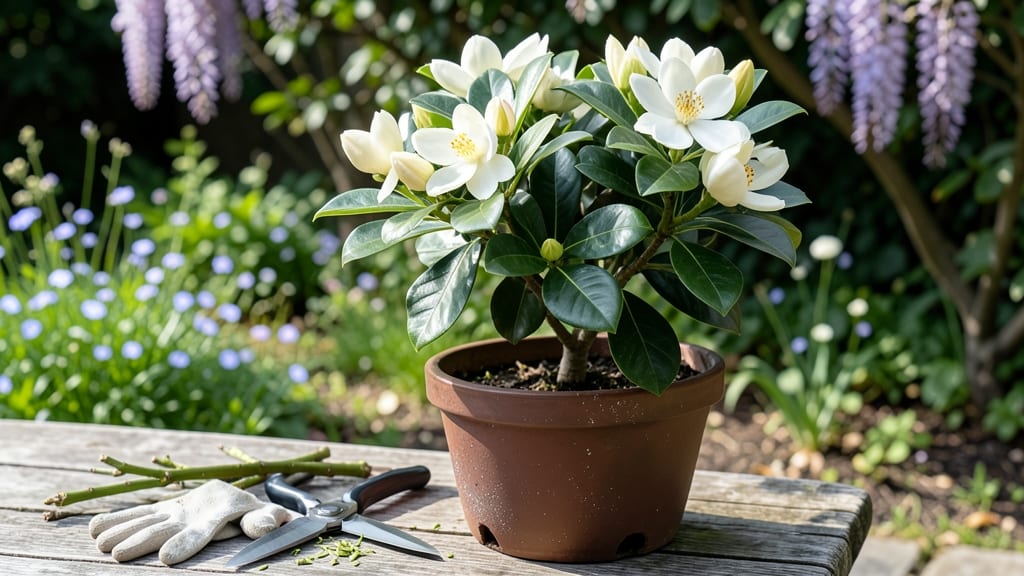
The best time to prune gardenias is late spring, just after the blooms fade but before summer’s heat sets in 🌸 — a window that keeps your shrub healthy and fragrant for years.
Miss that timing, and you risk stunting next year’s flowers or even stressing the plant. I’ve seen gardenias recover from aggressive pruning, but the blooms? They never bounce back the same way. Late spring strikes the perfect balance between encouraging new growth and avoiding summer’s harsh conditions.
For gardeners in USDA Zones 8-11, this means acting in April or early May, when the air is warm but the heatwave hasn’t arrived yet.
The key is to prune after the flowers drop—those spent blooms signal it’s time to shape the plant without cutting into next season’s buds.
Below, I’ll walk you through the exact steps, tools, and what to watch for so your gardenias thrive. You’ll learn how to prune for more blooms, avoid common mistakes, and keep your shrubs looking lush year after year.
Why late spring is the optimal time for pruning gardenias
If you've ever wondered when is the best time to prune gardenias, the answer lies in understanding their natural growth cycle. Gardenias bloom on old wood, meaning last year's growth produces this year's flowers.
Pruning too early can remove next year's buds, while waiting too long risks summer heat stress or overgrowth. Late spring strikes the perfect balance by allowing post-bloom recovery while preparing the plant for summer growth.
Science backs up this timing. Gardenias enter dormancy in winter months and begin pushing new growth as temperatures rise. Pruning in late spring—typically April to early May in most climates—aligns with this natural reboot.
The plant has already finished flowering and can redirect energy into new, healthy branches that will bear next year's blooms. This timing also avoids the frost risk of early spring pruning, which can damage tender new growth.
Here's why late spring pruning works so well for gardenias:
| Timing Factor | Late Spring Advantage | What It Prevents |
|---|---|---|
| Post-Bloom Stage | Flowers fade by late spring, allowing safe removal of spent blooms | Removing next year's flower buds |
| Warm Temperatures | Encourages rapid healing of pruning wounds | Slow recovery from winter dormancy |
| Avoiding Summer Heat | New growth establishes before intense summer sun | Heat stress on freshly pruned plants |
| Frost-Free Zone | No risk of late frost damaging new growth | Frost damage to tender shoots |
| Growth Hormone Shift | Plant naturally shifts energy to foliage after flowering | Wasted energy on unneeded growth |
The natural growth cycle of gardenias makes late spring the ideal window. After their spectacular spring blooms—typically from March to May—the plants enter a recovery phase. This is when they begin producing new wood that will eventually bear next year's flowers.
Pruning during this time removes dead or weak branches while stimulating the growth of stronger, more vigorous shoots.
Another key reason is the temperature factor. Late spring brings consistently warm days and cooler nights, creating optimal conditions for pruning. The plant can heal quickly without the stress of extreme summer heat or the vulnerability of early spring frost.
In USDA zones 8-11, where gardenias thrive, late spring typically means temperatures between 65°F and 80°F—perfect for both you and the plant.
Let's talk about bloom production, which is why most gardeners prune in the first place. Gardenias produce flowers on old wood, meaning last year's growth. If you prune too early—say, in February or early March—you risk cutting off next year's flower buds before they've formed.
Late spring pruning, however, happens after the plant has already set its flower buds for next season, ensuring you won't sacrifice next year's blooms.
For gardeners in cooler climates (zones 8-9), late spring might mean waiting until after the last frost date in your area. In warmer zones (10-11), you can prune as early as late March, but aim for April to early May for best results.
The key is to prune after the last wave of blooms has faded—usually 6-8 weeks after flowering.
One common misconception is that pruning stimulates immediate flowering. In reality, late spring pruning sets the stage for next year's blooms by encouraging strong, healthy growth now.
The flowers you see this year came from last year's pruning decisions, so think of late spring pruning as an investment in next season's fragrance. This timing also helps maintain the plant's shape and size, preventing it from becoming too leggy or overgrown.
Finally, consider the health benefits of late spring pruning. Removing dead, diseased, or crossing branches improves air circulation, reducing the risk of fungal diseases like powdery mildew. It also allows more sunlight to reach the center of the plant, encouraging even growth.
When done correctly, late spring pruning can double your gardenia's blooming potential over time by maintaining its vigor and structure.
So next time you're wondering when is the best time to prune gardenias, remember: late spring is when nature's clock aligns perfectly with your gardening goals. It's the sweet spot where timing, temperature, and plant biology all come together for maximum benefit.
Your gardenias will thank you with more blooms, better fragrance, and healthier growth next season. ✂️🌸
Step-by-step late spring pruning guide for healthy gardenias
Late spring is the perfect window to prune your gardenias—after they’ve finished blooming but before summer’s intense heat sets in. This timing ensures you encourage new growth while preserving next year’s fragrant flowers.
Pruning too early risks cutting off flower buds, while waiting too long can stress the plant during peak heat.
Your goal is to shape the shrub without removing more than 25-30% of foliage. Gardenias naturally produce woodier growth in late spring, making it easier to trim back overcrowded branches. Focus on dead or crossing branches first, then thin out the center to improve airflow and reduce disease risk.
- 🌱 Wait until after blooming (typically May in most zones) when 50% of flowers have faded. Check for new leaf growth as a cue.
- ✂️ Gather tools: Bypass pruners, sterilized alcohol, sharp shears, and gloves (gardenias have thorny branches).
- 🌿 Remove dead/diseased wood first—cut 1/4 inch above a leaf node at a 45-degree angle to prevent water pooling.
- 🌳 Thin the center by cutting backward-growing branches to open the canopy. Aim for sunlight penetration to all layers.
- 🌸 Shape outward: Trim overly long branches to encourage bushier growth. Never cut into old wood—focus on new green shoots.
- 💧 Clean up: Dispose of clippings (don’t compost diseased wood) and sterilize tools with rubbing alcohol to prevent fungal spread.
- ☀️ Water deeply after pruning to reduce stress. Apply mulch around the base to retain moisture.
When pruning, always cut just above a leaf node or bud to encourage new growth in the right direction. Avoid topping the plant—this creates unsightly stubs and weak growth. Instead, step back frequently to visualize the balanced shape you’re creating.
After pruning, your gardenia will focus energy on producing new leaves and strengthening its structure for next year’s blooms. Within 4-6 weeks, you’ll see fresh green shoots emerging—proof your timing was perfect. Just remember: less is more with gardenias!
For container gardenias, prune slightly earlier (early May) to account for heat stress. These plants dry out faster, so water consistently after trimming.
If your gardenia is over 5 years old, you can do a light rejuvenation pruning—cutting 1/3 of oldest wood to the ground to stimulate youthful regrowth.