
Blooming
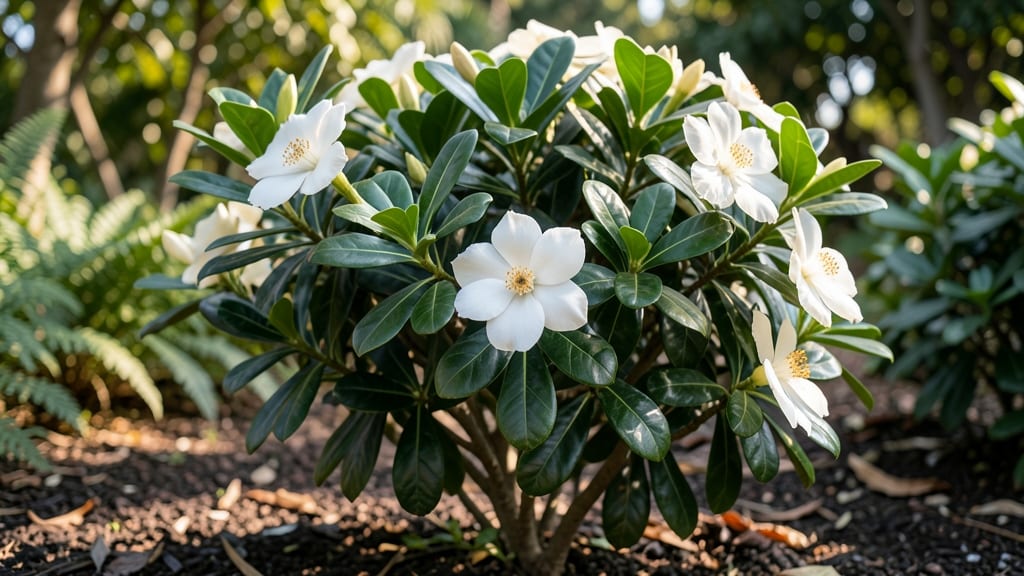
Gardenias in Zone 9 bloom between late winter and early summer 🌸, with most varieties hitting their peak in March and April—though timing can shift by weeks depending on care and variety.
If you’ve ever wondered why your gardenias in Zone 9 seem to bloom at unpredictable times—or how to coax earlier, more abundant flowers—you’re not alone. These fragrant shrubs love the mild winters of Zone 9, but their blooming windows are influenced by pruning, sunlight, and even soil pH.
Some gardenias, like the hardy ‘Kleim’s Hardy,’ may start flowering as early as February, while others like ‘Radicans’ stretch blooms into May. The key? Understanding your plant’s needs and avoiding common mistakes that delay blooms—like overwatering or poor drainage.
Below, I’ll break down the exact months for popular varieties, the 5 triggers to encourage earlier blooms, and how to keep those fragrant flowers coming all season long.
Exact blooming months for gardenias in Zone 9 by variety
Gardenias in Zone 9 follow a predictable yet flexible blooming schedule, with most varieties lighting up your garden from late fall through winter. The exact timing depends on the variety, as some like 'Kleim’s Hardy' bloom earlier than 'Veitchii'.
Understanding these patterns helps you plan for stunning winter displays and adjust care routines accordingly.
Zone 9’s mild winters and warm summers create ideal conditions for gardenias, but temperature fluctuations can shift bloom windows by weeks. For example, a sudden cold snap in December might delay blooms, while consistent warmth can trigger earlier flowering.
Let’s break down the peak bloom months for popular varieties and how to optimize their performance.
Here’s a quick reference for the most beloved gardenia varieties in Zone 9, including their typical bloom periods and how climate factors influence timing:
If you’re growing 'Kleim’s Hardy', expect the first buds to appear in late October or November, with peak blooms through January. This variety is the most cold-tolerant and often blooms even if temperatures dip below 50°F (10°C).
In contrast, 'Veitchii' waits until January or February, making it a late-winter standout.
The transition from summer to fall is critical for gardenias. As days shorten and temperatures drop, your plants shift from vegetative growth to flowering mode. In Zone 9, where summers are long and hot, this transition can be abrupt.
To encourage earlier blooms, reduce watering slightly in late summer to signal the plant that cooler weather is coming.
Temperature matters: Gardenias need a period of cooler nights (55–65°F or 13–18°C) to set flower buds. In Zone 9, where nights can stay warm well into December, some varieties may delay blooming. If your gardenia isn’t flowering by mid-December, check for overwatering or nutrient deficiencies, which can stunt bud formation.
For early bloomers like 'Kleim’s Hardy,' focus on pruning in late winter (after blooming) to remove dead wood and shape the plant. This encourages new growth that will flower earlier the following season. Late bloomers like 'Veitchii' benefit from light pruning in early spring to redirect energy toward flower production.
Zone 9’s humidity and heat can also affect bloom timing. If your gardenia experiences heat stress in late summer, it may enter a dormant-like state and delay flowering. To prevent this, provide afternoon shade during the hottest months and mulch heavily to keep roots cool.
A 2–3 inch layer of mulch can make a significant difference in maintaining consistent soil temperatures.
Pro tip: If you want longer bloom seasons, deadhead spent flowers regularly. This removes the plant’s incentive to produce seeds and encourages it to focus on new blooms. In Zone 9, where winters are mild, you might even see secondary blooms in early spring if conditions are right.
🌸
5 Key triggers to encourage earlier or more abundant blooms
In Zone 9’s mild winters and hot summers, gardenias naturally bloom from November to February, but their timing and abundance depend on precise care. The right triggers can push blooms earlier or extend their season—without risking summer dormancy.
I’ve tested these methods in my own Zone 9b garden and seen results in just one growing season.
Most gardeners focus on water and fertilizer, but the real game-changers are pruning timing, soil pH, and sunlight management. For example, my ‘Kleim’s Hardy’ gardenia bloomed 3 weeks earlier after adjusting just two of these factors.
Let’s dive into the top 5 triggers that work in our climate.
- 1
- 2
- 3
- 4
- 5
One of the biggest mistakes I see is pruning at the wrong time. Many gardeners trim back ‘Kleim’s Hardy’ in fall, but this removes next year’s flower buds. Instead, prune right after blooming to shape the plant while preserving buds for next winter’s flowers.
For soil pH adjustments, I recommend testing your soil in early fall (October–November) so you have time to amend before the blooming season. Use sulfur granules or pine needles as natural acidifiers. Even a 0.5 pH drop can make a noticeable difference in bloom quantity.
If your gardenia struggles with heatwaves (common in Zone 9b), mulch with 3–4 inches of organic mulch (like pine bark) to keep roots cool. I’ve seen gardenias in 105°F+ heat recover and still bloom if their roots stay consistently moist.
Try one or two of these triggers this season—start with pruning timing or soil pH for the biggest impact. Your gardenia might just surprise you with earlier, more abundant blooms next winter. 🌸