
Planting
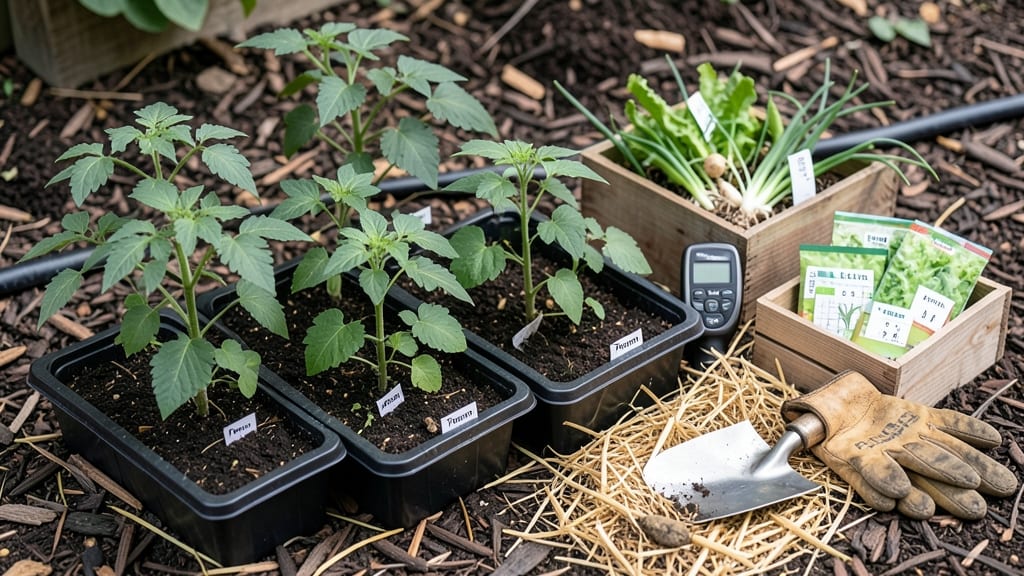
To plant a vegetable garden in Oklahoma, timing is everything—start cool-season crops like lettuce as early as February in the southern zones, while warm-season tomatoes and peppers wait until after April 15 to avoid frost.
Oklahoma’s diverse microclimates—from humid Southeast to arid West—mean your vegetable planting schedule can vary by hundreds of miles. Get the exact months to start seeds, transplant seedlings, and harvest for Oklahoma’s 3 distinct growing zones, avoiding frost damage and maximizing yields.
If you’ve ever watched your seedlings wilt overnight or seen tomatoes blight in the heat, you know how critical the right timing is. This guide breaks down the best planting windows by zone, plus tips for extending your growing season with row covers and succession planting.
You’ll learn which vegetables thrive in each Oklahoma region, from heat-loving okra in the Panhandle to cool-season spinach in the East, and how to adjust your schedule for drought or unexpected frost. Let’s get your garden off to the best start!
Oklahoma planting calendar by Zone: exact months for cool vs warm season crops
Oklahoma’s three USDA hardiness zones (6b, 7a, and 8a) create dramatic differences in planting timing—sometimes by 6 weeks or more. In Zone 6b (northwest), frost lingers until mid-April, while Zone 8a (southeast) enjoys frost-free soil by mid-March.
Understanding these zones helps you avoid frost damage to tender crops like tomatoes and peppers while maximizing yields for cool-loving greens.
Your first step is knowing your last frost date. In Zone 6b, wait until April 15-30 to plant warm-season crops outdoors. Meanwhile, Zone 8a gardeners can start tomatoes and peppers as early as March 1.
Even within zones, microclimates matter—elevated areas freeze faster than low-lying spots. Use these guidelines to align your planting with Oklahoma’s 180-210 frost-free days.
Cool-season crops (like lettuce, broccoli, and peas) thrive in spring and fall, while warm-season crops (tomatoes, peppers, squash) need consistent warmth. In Zone 7a, you can plant cool crops February 15-March 15 and again August 15-September 15 for fall harvests. Warm-season crops go in April 15-May 15. Adjust these dates 1-2 weeks earlier for Zone 8a and 1-2 weeks later for Zone 6b.
| Zone | Cool-Season Crops (Start Seeds) | Warm-Season Crops (Transplant) | Last Frost Date | First Frost Date |
|---|---|---|---|---|
| 6b (Panhandle, NW) | Feb 15-Mar 15 Aug 15-Sep 15 |
Apr 15-May 1 | Apr 15-30 | Oct 30-Nov 15 |
| 7a (Central OK) | Feb 1-Mar 15 Aug 1-Sep 15 |
Mar 15-Apr 15 | Mar 20-Apr 10 | Oct 15-Nov 1 |
| 8a (SE OK) | Jan 15-Feb 15 Jul 15-Aug 31 |
Feb 15-Mar 15 | Mar 1-March 15 | Nov 1-Nov 15 |
For warm-season crops, prioritize soil temperature over calendar dates. Tomatoes and peppers need soil at 60°F or warmer. In Zone 6b, wait until mid-May if early soil is cold.
Use a soil thermometer—55°F is the minimum for germination. Southern Oklahoma gardeners can start early varieties like ‘Celebrity’ tomatoes as early as February 15 under row covers.
Cool-season crops like lettuce, spinach, and broccoli handle light frosts but bolt in heat over 80°F.
In Zone 8a, plant spring lettuce by January 15 and fall lettuce by August 1 to avoid summer stress. Radishes and peas are exceptions—they tolerate cooler temps and can go in as soon as soil is workable, even in Zone 6b by early March.
Succession planting is key in Oklahoma’s short growing season. For bush beans, make weekly plantings from April 15 to June 15 in Zone 7a to stretch harvests. Zucchini and cucumbers thrive with two plantings: April 15 and June 1.
In Zone 6blate-season crops like kale and carrots by August 1.
Heat-tolerant crops like okra, sweet potatoes, and southern peas are Zone 8a staples but struggle in Zone 6b. If you’re in the Panhandle, opt for ‘Emerald’ okra, which handles 90°F+ temps.
In southeastern Oklahoma, ‘Georgia Purple’ sweet potatoes thrive with long, hot summers. Always check seed packet instructions—some varieties specify “short-season” or “heat-tolerant” traits.
Adjust for microclimates. Urban heat islands in Oklahoma City can be
Oklahoma’s three distinct growing zones—USDA 6b in the East, 7a in the central region, and 8a in the Panhandle—create unique opportunities for gardeners. The humid Southeast thrives with cool-season crops, while the arid West demands drought-resistant varieties. Choosing the right vegetables for your microclimate ensures higher yields and fewer struggles with heat or moisture. In the eastern zone (6b), where summers are hot but winters are cooler, focus on heat-tolerant greens like Swiss chard and early maturing tomatoes. The central zone (7a) balances both cool and warm-season crops, making it ideal for peppers, squash, and beans. Meanwhile, the Panhandle (8a) excels with okra, sweet potatoes, and melons, which thrive in its extended growing season. For drought-prone Panhandle regions, prioritize deep-rooted vegetables like squash and okra, which require minimal water once established. Mulch heavily to retain moisture, and choose heat-tolerant varieties such as 'Cayenne' peppers or 'Jewel' okra. These plants can survive with only 1 inch of water per week once mature. In the eastern humid zone, where fungal diseases like powdery mildew are common, opt for resistant varieties like 'Romaine' lettuce or 'Florida Broadleaf' spinach. These crops handle high humidity better than delicate heirlooms. Space plants 12-18 inches apart to improve airflow and reduce disease risk. Don’t overlook succession planting—a game-changer for Oklahoma gardens. By staggering green bean or radish plantings every 2 weeks, you’ll enjoy fresh harvests for months. For example, plant radishes every 3 weeks from March through July to ensure a steady supply. This technique works especially well in central and western zones, where growing seasons are longer. Finally, pay attention to soil preparation. Amend clay-heavy eastern soils with compost to improve drainage, while sandy Panhandle soils benefit from organic matter to retain moisture. A balanced fertilizer (10-10-10) applied at planting time boosts early growth, and side-dress with nitrogen-rich compost mid-season for a second yield boost.Best vegetables for Oklahoma’s microclimates: what to grow where