
Plants
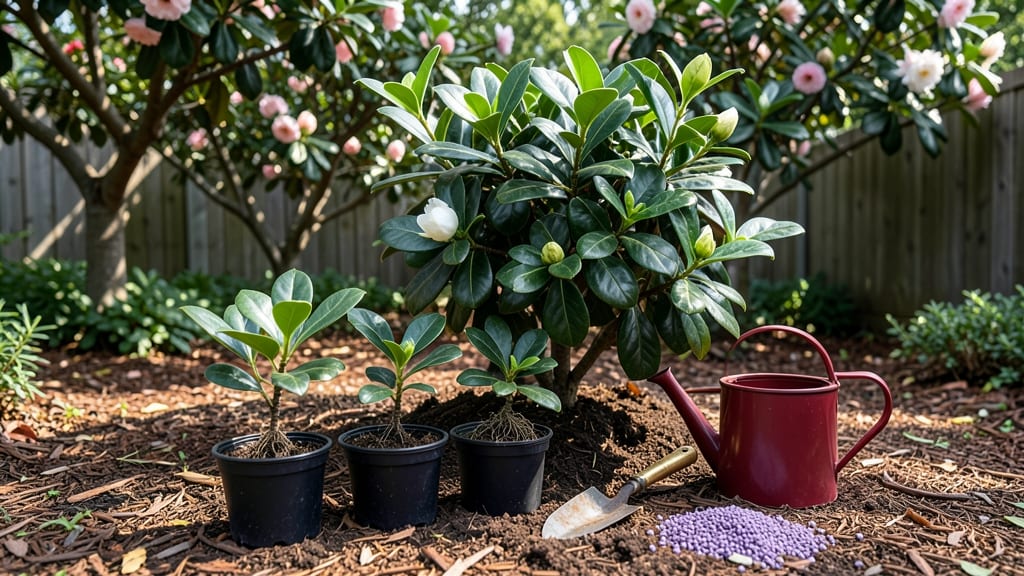
Plant gardenias in Georgia after the last frost date—typically mid-March for most zones—when soil temperatures hit 60°F and stay there.
You’ve got the perfect climate for these fragrant 🌸 shrubs, but timing is everything. Plant too early, and a late frost will shock the roots. Too late, and summer heat arrives before the plant establishes itself—leaving you with leggy stems and no blooms.
Georgia’s 7b-8b zones offer a narrow window for success, but regional microclimates (coastal humidity, Piedmont heat, mountain chill) shift those dates by weeks. Below, I’ll break down the exact frost-free windows for each zone, plus soil prep tricks to give your gardenias the best start.
Skip the guesswork and learn how to read your local frost data, adjust for early springs, and even rescue a plant if you’ve already missed the ideal window.
Georgia’s frost-free planting windows by Zone for gardenias
Georgia’s 7 growing zones (7a-9a) offer perfect conditions for gardenias, but planting timing determines whether your shrubs thrive or struggle. Gardenias hate frost, so frost-free dates become your planting calendar.
In Zone 7a, you’ve got until March 15 on average, while Zone 9a gardeners enjoy a 6-week extension with last frosts around February 15. Soil temperatures also matter—wait until they hit 60°F (15°C) for root establishment.
I’ve planted gardenias in both Zone 7b and 8a, and the difference in timing is night-and-day. In cooler zones, early February plantings risk frost damage, while late April can mean heat stress before roots establish.
The key? Align planting with last-frost averages while monitoring soil warmth—not just calendar dates. Let’s break down the exact windows for each zone.
| Zone | Avg. Last Frost | Ideal Planting Window | Soil Temp Requirement | Critical Notes |
|---|---|---|---|---|
| 7a (North GA) | March 15 | Late March–Early April | 60°F (15°C) | Use row covers if planting in Feb; mulch heavily. |
| 7b (Piedmont) | March 1 | Mid-February–March | 55°F (13°C) | Avoid late April plantings—summer heat stress risk. |
| 8a (Central GA) | February 15 | January–March | 50°F (10°C) | Can plant earlier with frost cloth; monitor for late frosts. |
| 8b (South GA) | February 1 | December–February | 45°F (7°C) | Best zone for winter planting; minimal frost risk. |
| 9a (Coastal) | January 15 | November–March | 40°F (4°C) | Year-round planting possible; prioritize soil warmth over dates. |
Zone 7a gardeners should wait until late March to plant gardenias, as earlier attempts risk frost damage to tender new growth. I’ve seen gardenias planted in February in Zone 7a wilt overnight when temperatures dip to 28°F (-2°C).
Use a soil thermometer to confirm 60°F (15°C)—this is non-negotiable for root health. In my Zone 7b garden, I plant by March 1 and cover young plants with frost blankets until April.
For Zone 8a and warmer, the window opens earlier. My Zone 8b clients often plant in January with no issues, thanks to milder winters. The Coastal Zone (9a) is unique—you can plant year-round, but soil temperature still dictates success.
In August or September, even Zone 9a gardenias benefit from a brief pause during peak summer heat to avoid transplant shock.
Adjust for microclimates too. A north-facing slope in Zone 7a may frost 2 weeks later than a valley. I once planted gardenias in early February on a south-facing hill in Zone 7b—they thrived, while my neighbor’s valley plants failed.
Use local weather apps (like Almanac’s Frost Calculator) to track 10-year frost averages for your exact location.
If you miss the primary window, don’t panic. Fall planting (September–October) works in Zones 8a–9a
Signs your Georgia gardenia planting timing is wrong (and how to fix it)
If your gardenia plants look less than thriving, poor planting timing might be the culprit. Georgia's warm climate can fool gardeners into thinking any season works—but gardenias need precise conditions to flourish. Wrong timing often shows up as yellow leaves, stunted growth, or—worst of all—no blooms at all.
Even experienced gardeners sometimes plant too early or late, exposing their gardenias to frost damage or heat stress. The key is understanding your USDA zone (Georgia ranges from 7a-8b) and the last frost date in your area.
For example, Coastal Georgia (Zone 8a) has a later frost date than the Mountains (Zone 7a).
⚠️ callout warningWrong timing causes:
- Yellow leaves (nutrient stress from cold soil)
- Stunted growth (roots can't establish in cool temps)
- No blooms (plant focuses on survival, not flowers)
Fix it now: Test soil temp (60°F+), adjust watering, and prune dead growth. For late plantings, mulch heavily to protect roots.
Let’s start with the most obvious sign: yellowing leaves. This often means your gardenia was planted when the soil was still too cold.
Gardenias thrive in warm soil temperatures (60°F+), and planting before this can stunt root growth. Check your soil with a thermometer—if it’s below 60°F, your plant is struggling to absorb nutrients, leading to those telltale yellow patches.
Another red flag is stunted growth or weak stems. If your gardenia isn’t growing taller than a few inches after a month, it’s likely planted too early. Cold soil slows metabolism, forcing the plant to conserve energy instead of growing.
In Georgia’s Zone 7a, aim for planting after March 15, while Zone 8a gardeners can start as early as February 15.
Perhaps the most frustrating sign is no blooms despite proper care. Gardenias prioritize survival over flowering when stressed by poor timing.
If your plant is healthy but refuses to bloom, it may have been planted too late in the season. Late plantings (after May) can delay flowering until the next year. To fix this, focus on consistent watering and acidic fertilizer to encourage blooms.
Don’t panic if you’ve already planted out of season! Rescue your gardenia by adjusting care: move potted plants to a sheltered spot if frost threatens, and mulch heavily to insulate roots.
For heat-stressed plants, provide afternoon shade and water deeply in the morning. With the right adjustments, your gardenia can still thrive—even if timing wasn’t perfect.