
Plants
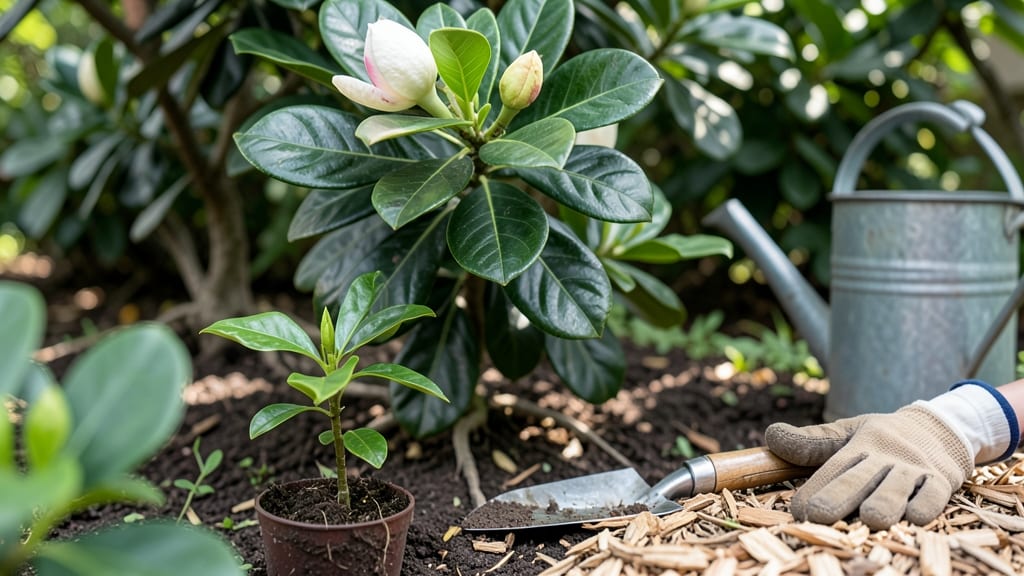
Plant gardenias in Texas after your last frost date — ideally between mid-February and March — to give their roots time to establish before summer’s brutal heat.
Texas gardeners know the struggle: plant too early, and frost will kill them; too late, and they may never bloom. Timing is everything for these fragrant favorites, and getting it right means lush, scented blooms year after year.
Whether you’re in North Texas (where frost lingers until February) or South Texas (where January is often safe), the key is planting when the soil warms but before the mercury climbs past 85°F.
This guide breaks down the best months by region, plus soil prep and care tips to keep your gardenias thriving.
You’ll also discover how to spot mistakes like yellowing leaves or stunted growth — and how to fix them before it’s too late.
Best months to plant gardenias in Texas by region
Texas spans three distinct gardening regions, each with unique frost patterns and microclimates that dictate the perfect time to plant gardenias. In North Texas (USDA Zones 7b-8a), the last frost typically arrives around February 15, while Central Texas (Zones 8a-8b) sees frost-free conditions by January 15.
Meanwhile, South Texas (Zones 9a-10b) enjoys frost-free winters year-round, but summer heat demands early planting for root establishment.
Gardenias thrive when planted 4-6 weeks before summer heat peaks, allowing roots to establish before the 90°F+ temperatures of Texas summers. The ideal window is late winter to early spring, but exact timing varies by region.
Let's break it down to ensure your gardenias get the best possible start.
| Region | Last Frost Date | Best Planting Months | Key Consideration |
|---|---|---|---|
| North Texas | Mid-February | March - Early April | Avoid late spring planting; summer heat arrives quickly |
| Central Texas | Mid-January | February - March | Soil warms faster; plant early to prevent heat stress |
| South Texas | None (year-round) | January - February | Plant before 95°F+ summer temperatures; use shade cloth |
| All Regions | N/A | Avoid May planting | Late planting = poor root growth before summer drought |
For North Texas gardeners, the 4-6 week window between mid-February and early April is critical. Planting in March gives roots time to establish before summer arrives, while April plantings risk heat stress.
In Central Texas, where frost is less severe, you can start as early as late February, but aim for March to avoid early spring heatwaves.
South Texas presents a unique challenge: no frost, but intense summer heat. Plant gardenias in January or February to give roots time to establish before temperatures exceed 95°F. Use shade cloth (30-50%) during the first growing season to protect young plants from afternoon sun.
Container gardenias follow the same timeline but require extra attention to watering—potted plants dry out 3x faster than in-ground varieties. In North Texas, plant container gardenias in late March and move them indoors or to a shaded patio when temperatures exceed 85°F.
For Central and South Texas, January planting with afternoon shade is ideal.
One common mistake is planting gardenias too late—after May 1—when summer heat and drought stress can stunt root growth. If you miss the ideal window, opt for container planting and use drip irrigation to maintain consistent moisture.
Remember, gardenias need 6-8 hours of partial shade daily to thrive in Texas' harsh climate.
Pro tip: Test your soil pH before planting—gardenias thrive in acidic soil (5.0-6.0). If your Texas soil tests alkaline, amend with sulfur or peat moss 4-6 weeks before planting. This gives the soil time to adjust and creates the perfect environment for your new gardenias.
After planting, mulch with 2-3 inches of pine bark mulch to retain moisture and regulate soil temperature. In North Texas, apply mulch in early April; in South Texas, mulch immediately after planting in January.
This simple step can increase survival rates by 40% during Texas' brutal summers.
Finally, choose disease-resistant varieties like 'Klein's Compact' for containers or 'Radicans' for in-ground planting. These varieties handle Texas' heat and humidity better than standard types. With the right timing and care, your gardenias will reward you with fragrant blooms from June through September.
How to prepare gardenias for Texas heat and humidity
Texas summers bring sweltering heat and oppressive humidity, creating a tough environment for gardenias that prefer acidic soil and gentle conditions. Without proper preparation, these fragrant shrubs can struggle to establish roots, wilt under the sun, or fail to bloom.
The key is mimicking their native tropical habitat while adapting to Texas' extremes.
Start by amending your soil to match gardenias' acid-loving needs. Most Texas soils are alkaline, so you'll need to lower the pH to 5.0-6.0 using sulfur or peat moss.
This step alone can mean the difference between a thriving plant and one that barely survives. Pair this with well-draining soil to prevent root rot during our humid summers.
⚠️ callout warning ⚠️
⚠️ Critical Texas Mistake: Planting Without Acidic Soil
Texas gardeners often overlook the pH requirement—gardenias will not thrive in alkaline soil. A simple soil test ($10 at garden centers) can save your plants. If your soil tests above 6.5 pH, amend with elemental sulfur (1 lb per 100 sq ft) 3-4 months before planting.
💡 Pro Tip: Mix in pine bark fines or composted leaves for organic acidity and moisture retention.
Choose the right gardenia variety for your Texas location. 'Klein’s Compact' is a heat-tolerant dwarf variety (2-3 ft tall) perfect for containers or small yards, while 'Radicans' (4-6 ft) handles humidity better but needs more space.
For South Texas, opt for 'Veitchii', which thrives in USDA Zone 9b+ with higher heat tolerance.
Mulching is non-negotiable in Texas. Apply a 3-inch layer of pine straw or cypress mulch around your gardenias to retain moisture, regulate soil temperature, and slowly acidify the soil.
Keep mulch 6 inches away from the trunk to prevent rot. Replenish mulch every 6 months to maintain its benefits during our long, hot summers.
Watering schedules must adapt to Texas' variable humidity. Deep watering every 2-3 days in summer (1-2 gallons per plant) is ideal, but adjust based on rainfall and temperature.
Water in the early morning to reduce fungal diseases from evening humidity. For potted gardenias, check soil moisture daily—containers dry out 3x faster than in-ground plants.
Finally, prune lightly in late winter to shape your gardenias and remove dead blooms. Avoid heavy pruning in summer, as this stresses plants during peak heat.
Fertilize with an acid-loving formula (like 8-3-9) every 6 weeks from spring to early summer, then stop fertilizing in August to let plants harden off before fall.