
Container Gardens
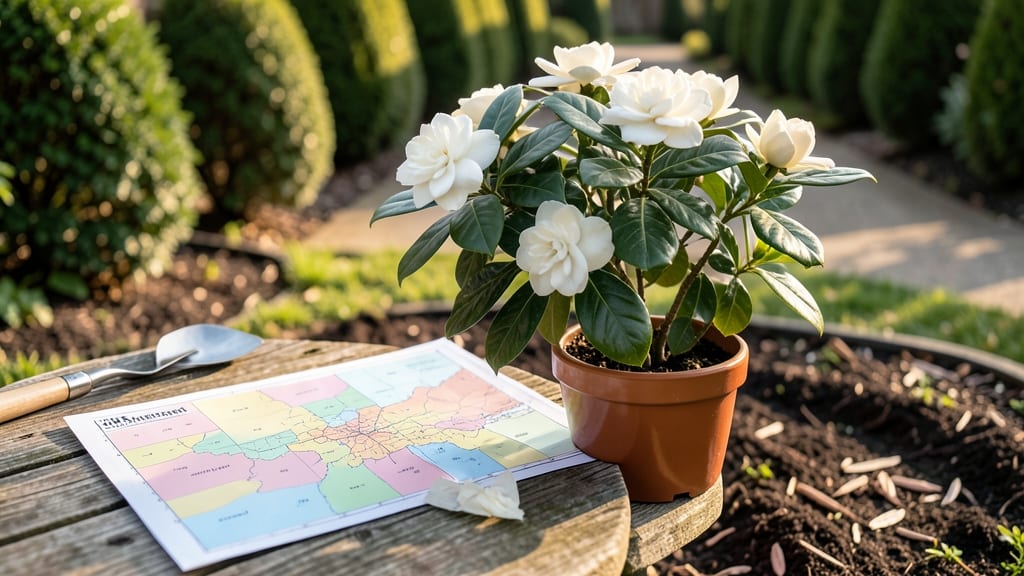
Gardenias thrive in USDA growing zones 7 through 11, where warm winters and high humidity let them burst into those signature fragrant blooms 🌸.
Struggling to grow fragrant gardenias that thrive year after year? The secret lies in planting them in the right USDA growing zone—one small detail that makes all the difference between wilted leaves and show-stopping blooms.
These tropical beauties need consistent warmth, so colder climates (below zone 7) force gardeners into creative solutions like containers or winter protection. But even in ideal zones, soil pH and sunlight play just as big a role in keeping them happy.
Here’s how to match your gardenia to its perfect zone, plus the proven tricks for growing them successfully outside their native range—whether you’re in California’s coastal 9b or a cooler corner of the country.
USDA growing zones for gardenias: where they thrive best
If you’ve ever dreamed of filling your garden with the intoxicating scent of gardenia blooms, knowing the right USDA growing zone is your first step. These tropical beauties—native to warm climates—flourish in zones 7 through 11, where they bask in humidity and gentle temperatures.
Planting them outside their ideal range often leads to leaf drop, stunted growth, or even death during frost. Let’s break down exactly where gardenias thrive and how to give them the perfect conditions.
Gardenias are semi-tropical shrubs that love warmth but can’t handle freezing temperatures. In Zone 7, they’re right at their lower limit, while Zones 8–11 offer ideal conditions for year-round growth.
The key is understanding their cold tolerance limits: most varieties can’t survive below 20°F (-6°C), though some hardy hybrids like ‘Kleim’s Hardy’ push the boundary to Zone 6 with protection. Let’s explore the best zones and regional tips to maximize your gardenia’s potential.
| USDA Zone | Cold Tolerance | Best Regions | Growing Tips |
|---|---|---|---|
| Zone 7 | 20–25°F (-6 to -4°C) | Coastal North Carolina, Southern Virginia | Plant near south-facing walls; mulch heavily in winter. |
| Zone 8 | 10–15°F (-12 to -9°C) | Georgia, South Carolina, Central Florida | Use containers for mobility; avoid wet soil in winter. |
| Zone 9 | 20–25°F (-6 to -4°C) | Southern California, Arizona, Texas Gulf Coast | Thrives in partial shade; water deeply 2–3x/week. |
| Zone 10 | 30–35°F (-1 to 2°C) | Hawaii, Southern Florida, Puerto Rico | Grows year-round; prune after blooming for bushiness. |
| Zone 11 | 40°F+ (4°C+) | Tropical coasts, Southern Florida Keys | Needs high humidity; protect from salt spray near coasts. |
In Zone 7, gardenias are borderline hardy and need extra care. The coastal regions of North Carolina and Virginia offer the mildest winters, but even here, temperatures can dip below 20°F (-6°C).
To protect your plants, choose a south-facing location near a wall or fence, which absorbs heat during the day and radiates it back at night. Mulch heavily with pine straw or leaves to insulate roots, and consider wrapping the base with burlap or frost cloth in late fall.
Gardeners in Zone 8—like those in Georgia or South Carolina—have the sweet spot for gardenias. Here, they bloom year-round with minimal stress, especially in humid, sheltered microclimates.
For container gardening, use glazed pots to retain moisture and move them indoors or under cover when temperatures drop below 30°F (-1°C). Avoid overwatering in winter, as soggy soil can rot frost-sensitive roots.
In Central Florida, gardenias thrive in partial shade and benefit from a light layer of mulch to keep roots cool.
If you live in Zone 9, you’re in paradise for gardenias! Southern California, Arizona, and Texas Gulf Coast climates mimic their native tropical habitats. These zones offer year-round blooms with the right care: deep watering 2–3 times per week and morning sun with afternoon shade.
In drought-prone areas like Arizona, group gardenias with other water-loving plants to create a microclimate. For coastal regions, protect plants from salty winds by planting them slightly inland or using windbreaks.
For those in Zones 10 and 11, gardenias grow with minimal fuss but need high humidity to thrive. In Hawaii or Southern Florida, they bloom continuously if given well-draining, acidic soil (pH 5.0–6.5) and regular pruning after flowering.
In Zone 11’s tropical coasts, watch for salt spray damage—rinse leaves occasionally with fresh water. Prune lightly to encourage
How to extend gardenia growth in marginal zones (6 or below)
Gardenias love warmth, but that doesn’t mean you can’t grow them in USDA Zones 6 or below. With the right strategies, you can protect these fragrant beauties from winter’s chill and enjoy blooms year after year.
The key is understanding their temperature limits and adapting your care routine to shield them from frost.
Most gardenias struggle when temperatures dip below 20°F (-6°C), but some hardy varieties like 'Kleim’s Hardy' can tolerate brief dips to 15°F (-9°C). Even so, marginal zones require extra effort to simulate their tropical habitat. Let’s explore how to keep your gardenias thriving despite the cold.
Gardenias in Zones 6 and colder face irreversible damage when exposed to below 20°F (-6°C) for more than 24 hours. Even hardy varieties need insulation and microclimate protection to survive winter. Never leave them outdoors unprotected during frost warnings.
Start by choosing the right container size and material. Gardenias in pots are easier to move indoors when temperatures drop. Use glazed ceramic or thick plastic pots (at least 15-gallon capacity) to retain warmth.
Add a heat mat beneath the pot during cold snaps to keep roots above 50°F (10°C). This small investment can mean the difference between a dead plant and a blooming beauty next spring.
Leverage microclimates to your advantage. Plant gardenias near south-facing walls, under overhangs, or in sunken beds where cold air pools less. These spots can add 5–10°F (3–6°C) of protection compared to open garden areas.
Pair this with a thick layer of mulch (4–6 inches of pine straw or shredded bark) to insulate roots and regulate soil temperature.
For in-ground gardenias, wrap the entire plant in burlap or frost cloth before the first frost. Secure it tightly and leave a small gap at the top for airflow. Add a dome-shaped cover (like a plastic milk jug with the bottom cut off) over the top for extra insulation.
Remove these covers on sunny days to prevent heat buildup and fungal growth.
If you’re growing gardenias in Zone 5 or colder, consider overwintering them indoors near a sunny window or under grow lights. Reduce watering to every 7–10 days and avoid fertilizing until spring.
Prune lightly in early spring to remove dead wood and encourage new growth. With these adjustments, your gardenias can rebloom beautifully the following season.
Remember, patience and preparation are key. Gardenias in marginal zones may take 1–2 years to fully adjust, but the fragrant rewards are worth the effort. Start with one hardy variety, protect it well, and soon you’ll have a year-round display of blooms—even in colder climates! 🌿