
Flowers
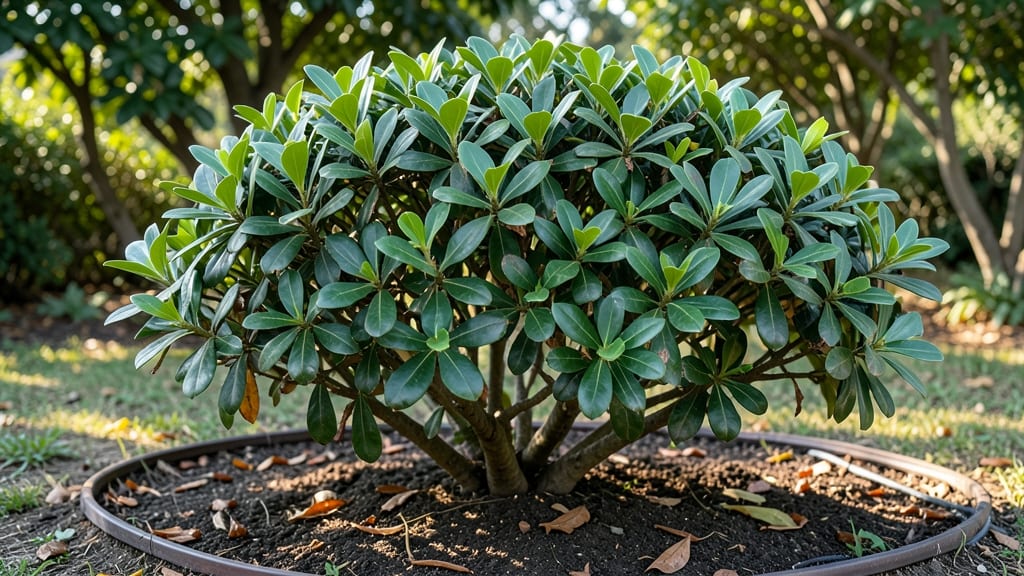
Winter gardenias look like bare, leafless branches 🌸—but don’t mistake them for dead wood, because those buds hiding under the bark are the promise of next year’s fragrant blooms.
If you’ve ever wondered whether your gardenias vanish into thin air during winter or simply hide in plain sight, you’re not alone—many gardeners struggle to recognize these beauties in their dormant state.
Here’s the key: evergreen gardenias in Zones 8-10 shed leaves to conserve energy, leaving smooth, greenish-brown stems that feel firm when touched. Deciduous varieties (common in colder zones) may lose all foliage, but the bark stays intact—no cracks or peeling, just quiet resilience.
In this guide, I’ll show you how to spot gardenias in winter, distinguish them from dead branches, and keep them thriving until spring’s first bloom. Ready to decode their winter secrets?
Identifying gardenia dormancy: leaves, stems, and buds in winter
When winter arrives, your gardenia shrubs may seem to disappear, leaving you wondering if they’ve died or simply entered dormancy. Unlike many evergreens, gardenias often shed their leaves in colder months, creating a bare-bones appearance that can be confusing.
The key is understanding how their leaves, stems, and buds change during dormancy—and how to tell them apart from dead branches or other winter plants.
Most gardenias are semi-evergreen or deciduous in colder climates, meaning they’ll drop some or all of their foliage. This natural process isn’t a sign of death but rather a survival strategy to conserve energy.
Their woody stems remain, often looking stark against the winter landscape, while buds form underground or along the branches, preparing for spring’s return.
One of the biggest misconceptions is that gardenias are evergreen year-round. While they retain some leaves in USDA Zones 9-10, those in colder regions (like Zone 8 or below) will nearly always shed foliage.
The stems themselves are your best clue—they’ll stay upright and firm, unlike dead branches that snap easily when bent.
Pay close attention to the buds along the stems. Even in winter, gardenias store energy in these tiny swellings, which will burst into life with spring’s warmth. If you gently scrape a bud, you might see a greenish hue underneath, confirming it’s alive.
Compare this to dead branches, which will have dry, brown interiors with no moisture.
Another trick is to check the bark texture. Healthy gardenia stems have a slightly waxy or smooth surface, while dead wood feels rough and cracked.
Run your fingers along a branch—if it’s flexible like a twig, it’s alive. If it’s brittle and crumbly, it’s time to prune it out.
To avoid confusing gardenias with other winter plants, note their growth habit. Gardenias typically grow in rounded or bushy shapes, even in winter, whereas plants like oleanders or boxwoods might retain more structure.
Their leaves, when present, are dark green and glossy, though they’ll often be smaller or curled in cold weather.
If you’re still unsure, dig near the base of the plant to check for live roots. Healthy roots are white or tan and firm to the touch, while dead roots are black or mushy.
This simple test can confirm whether your gardenia is dormant or dead before spring arrives.
Remember, gardenias are not finicky about winter appearance—their true beauty lies in their resilience. By recognizing these dormant signs, you’ll be ready to revive them in spring with proper care, ensuring those fragrant white blooms return year after year.
How to tell if your gardenia is alive or dead in winter
Winter can turn your lush gardenias into confusing bare branches, leaving you wondering if they’ve died or just gone dormant. Unlike some plants that shed leaves completely, gardenias often retain a few signs of life—if you know where to look.
The key is understanding the subtle differences between dormant and dead stems, which can save your plant from unnecessary pruning or despair.
First, check the bark texture. Healthy gardenia bark remains smooth and slightly glossy, even in winter. If the bark feels rough, cracked, or peels away easily, that’s a red flag—your plant may be struggling.
But don’t panic yet! Many gardenias simply slow down their growth, conserving energy until spring. The real test comes when you examine the twig flexibility and hidden buds.
⚠️ WARNING: Don’t Prune Until You’re Sure!
Gardenias in winter can look deceptively dead. Before cutting anything, test for life with these 3 quick checks:
- 🌿 Scratch the bark: Healthy bark has a greenish layer underneath.
- 🪴 Bend a twig: If it snaps cleanly (not crumbles), it’s likely alive.
- 🌱 Look for buds: Tiny swollen nodes near the stem base signal dormancy.
Pruning dead branches too early can stunt regrowth. Wait until late winter or early spring to assess damage.
Next, inspect the twigs for flexibility. Gently bend a small branch—if it bends slightly without snapping, your gardenia is alive. Dead branches, however, will break crisply or crumble into powdery fragments.
This test is especially useful for gardenias, which can look skeletal but are often just conserving energy. Even if most leaves are gone, the plant’s root system may still be active underground.
Don’t overlook the hidden buds tucked at the base of stems. These tiny, swollen nodes are your gardenia’s secret weapon for spring blooms. Look closely along the branches—if you spot even one bud, your plant is alive and preparing for regrowth.
In contrast, dead branches will have no buds and may appear shriveled or hollow. This is your clearest sign of whether to prune or protect.
For potted gardenias, check the root health by gently removing the plant from its container. Healthy roots should be firm and white or light tan, while rotten roots will be mushy and dark. If the roots are dry but intact, your plant is dormant.
If they’re shriveled or missing entirely, it’s a sign of severe stress or death. Revive struggling roots by soaking the pot in water for 10 minutes before replanting in fresh, acidic soil.
If your gardenia passes these tests, it’s time to revive it for spring. Start by lightly pruning any dead branches (they’ll snap off easily) and applying a 2-inch layer of mulch around the base.
Water deeply but infrequently—once every 2 weeks—to encourage root growth without over-saturating the soil. By late winter, you’ll see new shoots emerging, proving your gardenia was never truly gone.
Remember, gardenias are evergreen in warm climates but may drop leaves in colder zones. If yours looks bare, it’s likely just waiting for warmer weather. Patience and these simple checks will help you save your gardenia and enjoy those fragrant blooms again next season.