
Fertilization
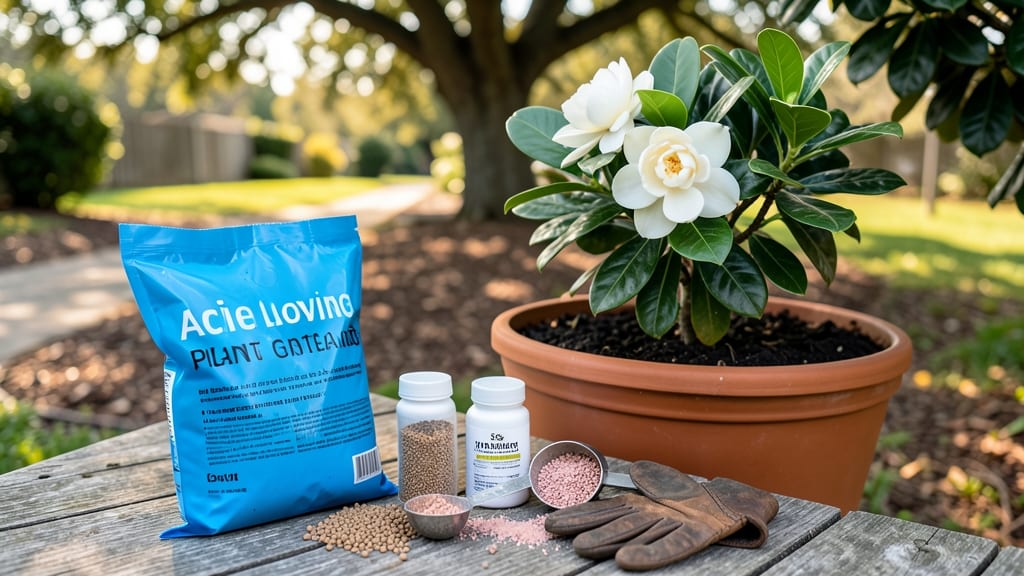
Fertilizing gardenias in Georgia at the right time is the key to fragrant blooms and healthy growth, but one wrong move can leave your 🌸 shrubs struggling.
Georgia’s humid summers and mild winters create the perfect stage for gardenias—but timing your fertilizer applications matters more than you might think. Too early, and you risk burning roots before they’re ready. Too late, and your plants may skip blooming entirely.
Below, I’ll break down the best months to feed your gardenias, how often to fertilize, and which types of fertilizer work best in Georgia’s acidic soil. You’ll also learn how to avoid over-fertilizing during dormancy and spot the signs of nutrient burn before it’s too late.
By the end, you’ll have a clear schedule to keep your gardenias thriving year after year—no guesswork required.
Best fertilization schedule for Georgia gardenias by season
Georgia’s warm, humid climate is perfect for gardenias, but their fertilization needs shift dramatically with each season. Unlike many plants, gardenias thrive on a precise feeding schedule that aligns with their bloom cycles and Georgia’s USDA Zones 7a-8b.
Over-fertilizing in summer can scorch roots, while skipping spring feeds delays blooms. Let’s break down the exact month-by-month plan to keep your gardenias fragrant and flourishing.
Gardenias are acid-loving shrubs that need balanced nutrition—too much nitrogen means leafy growth but no flowers. In Georgia, we focus on three key feeding windows: spring (to kickstart blooms), summer (to maintain vigor), and early fall (to prepare for dormancy).
Organic options like fish emulsion or slow-release granules work best, but synthetic 10-10-10 blends can be used carefully.
Here’s your seasonal fertilization roadmap, tailored to Georgia’s climate and gardenia biology:
| Season | Month | Fertilizer Type | Frequency | Key Notes |
|---|---|---|---|---|
| Spring | March | Light organic (compost) | Once | Stimulate new growth after last frost |
| April-May | Balanced 10-10-10 | Every 6 weeks | Encourage bud formation | |
| Summer | June | Slow-release granules | Once | Avoid midday heat application |
| July-August | Fish emulsion (diluted) | Every 8 weeks | Support blooming | |
| Fall | September | Light compost tea | Once | Reduce feeding for dormancy |
| October | None | — | Winter prep begins | |
| Winter | November-February | None | — | Dormancy period; no feeding |
Spring is all about waking up your gardenias. Start with a light compost application in March to stimulate root growth after winter dormancy. By April, switch to a balanced 10-10-10 fertilizer to encourage bud formation. Georgia’s warm springs mean gardenias can bloom as early as May—don’t miss this window!
Summer fertilization requires caution. Gardenias hate heat stress, so always apply fertilizer in the early morning or evening. Use slow-release granules in June to avoid nutrient burn, then switch to diluted fish emulsion every 8 weeks to support blooming.
If you notice yellowing leaves, flush the soil with water—this could be a sign of over-fertilization.
In fall, reduce feeding significantly. September’s light compost tea helps transition your gardenias into dormancy. By October, stop fertilizing entirely—this prepares them for Georgia’s mild winters and prevents late-season growth that could be damaged by early frosts.
Winter
How soil pH affects gardenia fertilization in Georgia’s acidic climate
Georgia’s native soil often tests slightly acidic to neutral, but gardenias thrive in acidic soil with a pH between 5.0 and 6.0. When your soil’s pH strays outside this range, your gardenias may struggle to absorb nutrients—even with the best fertilization schedule.
This imbalance can lead to yellowing leaves, poor blooming, or stunted growth, despite your efforts.
Before applying fertilizer, always check your soil’s pH. If it’s too high (alkaline), nutrients like iron and manganese become locked away, making them unavailable to your plants.
In Georgia’s humid climate, soil naturally trends toward alkaline pH due to limestone deposits, so proactive pH adjustment is key to keeping your gardenias healthy and fragrant.
To test your soil’s pH at home, use a digital pH meter or liquid test kit. Simply collect a soil sample from 6 inches deep around your gardenia, mix it with distilled water, and follow the kit’s instructions.
If the pH reads below 5.0, your soil is too acidic—amend it with lime. If it’s above 6.5, lower the pH with sulfur or peat moss.
Once your soil pH is in the ideal range, fertilize gardenias with an acid-loving plant formula, like an 8-3-9 NPK blend. Apply fertilizer in early spring (March) and late summer (August) to support new growth and blooming.
Always water thoroughly after applying fertilizer to help nutrients penetrate the soil and prevent root burn.
For a DIY pH correction, mix 1 cup of elemental sulfur per 100 square feet into the top 6 inches of soil.
Re-test the pH in 4-6 weeks—sulfur takes time to lower pH. Alternatively, use pine bark fines or sphagnum peat moss as organic amendments to maintain acidity naturally over time.
Remember, gardenias are sensitive to sudden pH changes, so make adjustments gradually. Monitor your plants’ response to fertilization and pH amendments, and adjust as needed. With the right pH balance, your gardenias will reward you with glossy leaves and fragrant blooms all season long. 🌸