
Planting
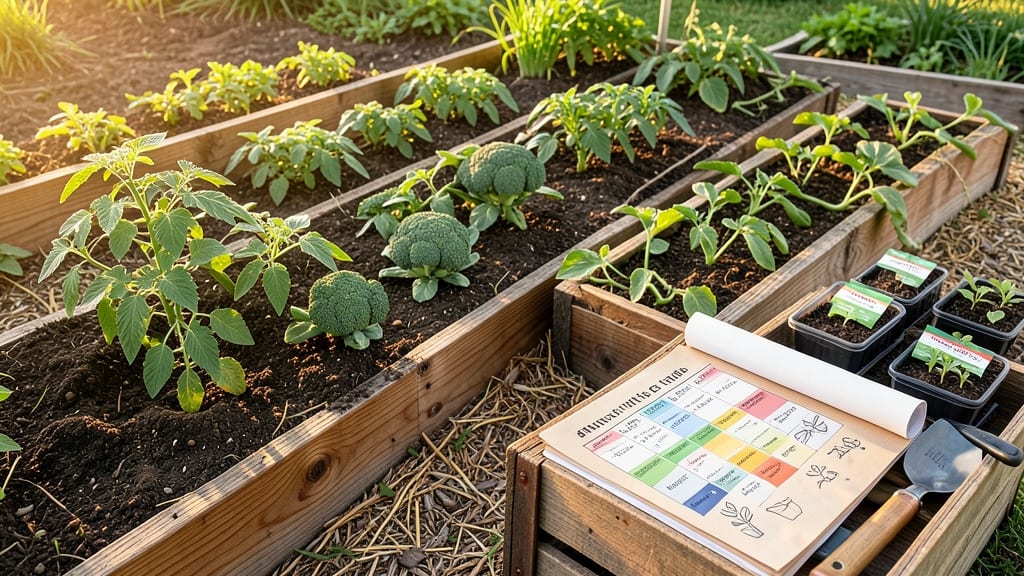
To plant a garden in Tennessee, timing is everything—cool-season crops like lettuce and broccoli go in 4-6 weeks before your last frost, while tomatoes and peppers wait until 2-3 weeks after.
Tennessee’s diverse climate—from humid Appalachian valleys to hot Delta plains—means planting at the wrong time can spell disaster for your garden. Get the exact dates for starting seeds, transplanting, and harvesting in your specific zone to maximize yields and avoid frost damage.
Whether you’re in Zone 6b with later springs or Zone 7b where heat arrives early, knowing when to plant General Garden Plants 🌱 makes the difference between a thriving harvest and a wasted season.
Below, I’ll break down the exact windows for spring, summer, and fall planting, plus how to adjust for microclimates and common mistakes that trip up Tennessee gardeners.
Tennessee planting calendar by USDA Zones 6b, 7a, and 7b
Tennessee’s USDA Zones 6b, 7a, and 7b create distinct planting windows that can make or break your garden’s success. In Zone 6b (e.g., Knoxville, Chattanooga), average last frost dates arrive around March 20–April 5, while Zones 7a and 7b (e.g., Nashville, Memphis) see last frosts March 1–March 15.
These differences mean your cool-season crops like broccoli or spinach may thrive in Zone 6b two weeks earlier than in Zone 7b.
Warm-season crops like tomatoes and peppers need to wait until after the last frost, but rushing them too early can lead to stunted growth or frost damage. Meanwhile, year-round staples like green onions and kale offer flexibility, letting you plant in early spring or late summer.
Understanding these frost-free growing seasons—typically 180–220 days—helps you plan for two full harvest cycles annually.
⚠️ Key Dates to Mark on Your Calendar:
- Zone 6b: Last frost March 20–April 5, first frost November 1–15
- Zone 7a: Last frost March 1–March 15, first frost October 31–November 10
- Zone 7b: Last frost February 28–March 10, first frost October 15–30
| Zone | Plant Type | Planting Window | Key Notes |
|---|---|---|---|
| 6b (Knoxville, Chattanooga) | Cool-Season Crops (Spinach, Broccoli, Kale) | March 1–April 15 | Direct sow 4–6 weeks before last frost; harvest by June 15 |
| 6b | Warm-Season Crops (Tomatoes, Peppers, Cucumbers) | April 15–May 15 | Transplant after soil reaches 60°F; harvest through October |
| 6b | Year-Round Staples (Green Onions, Lettuce, Radishes) | March–April & August–September | Succession plant every 2–3 weeks for continuous harvest |
| 7a (Nashville) | Cool-Season Crops (Spinach, Broccoli, Kale) | February 15–March 30 | Direct sow 2–4 weeks before last frost; harvest by June 1 |
| 7a | Warm-Season Crops (Tomatoes, Peppers, Eggplants) | March 15–April 15 | Transplant after soil warms to 65°F; harvest until October 15 |
| 7a | Year-Round Staples (Green Onions, Lettuce, Radishes) | February–March & August–September | Use row covers for early/late plantings to extend season |
| 7b (Memphis, Jackson) | Cool-Season Crops (Spinach, Broccoli, Kale) | January 15–February 28 | Direct sow 2 weeks before last frost; harvest by May 15 |
| 7b | Warm-Se
How to adjust planting times for Tennessee’s microclimatesTennessee’s diverse microclimates can shift planting windows by weeks—even within the same county. Mountain regions like the Smokies often experience 2-3 weeks later last frosts than urban Nashville, while river valleys can warm up faster. Understanding these variations lets you extend seasons and grow more successfully. For example, my Zone 7a garden in East Tennessee might see March 20 as the last frost date, but a neighbor in Zone 7b Memphis could plant the same crops 2 weeks earlier. Soil type also plays a role—sandy soils warm faster, while clay holds cold longer. Adjust your schedule based on these local factors. 1
Mountain Regions (Elevation +1,500 ft)
Shift planting dates 2-3 weeks later than valley averages. Use row covers to protect early crops from late frosts. 2
River Valleys (e.g., Nashville, Memphis)
Plant 1-2 weeks earlier than zone averages. Soil warms faster, but watch for sudden cold snaps in spring. 3
Urban Areas (Concrete Heat Islands)
Start warm-season crops 1 week earlier. Use cold frames to overwinter greens through mild winters. 4
Wind-Exposed Sites (e.g., Ridge Tops)
Delay planting tender crops until after May 1. Use windbreaks or low tunnels to protect seedlings. 5
Succession Planting Strategy
Stagger plantings every 2 weeks for continuous harvests (e.g., lettuce, beans). Works best in Zone 7b+. To extend your growing season, I rely on row covers and cold frames in cooler microclimates. A simple floating row cover can add 4-6°F of warmth, letting me plant spinach and kale 3 weeks earlier in spring. For late-season harvests, use low tunnels to keep broccoli and cabbage producing until November. Pay attention to microclimate wind patterns. My ridge-top garden gets strong afternoon winds, so I plant wind-resistant crops like zucchini and Swiss chard there, while using windbreaks for delicate greens. A 6-foot tall bamboo fence can reduce wind speed by 50% in the planting bed. For urban gardeners, container gardening offers flexibility. Pots warm up faster than in-ground soil, so I start tomato seedlings 10 days earlier in containers than in the ground. Just ensure pots have drainage holes and use lightweight potting mix to prevent overheating. Finally, keep a gardening journal to track your local microclimate’s quirks. Note when frost hits unexpectedly or heat waves arrive early. Over time, you’ll refine your planting schedule to match your unique Tennessee microclimate. 🌱 |