
Planting
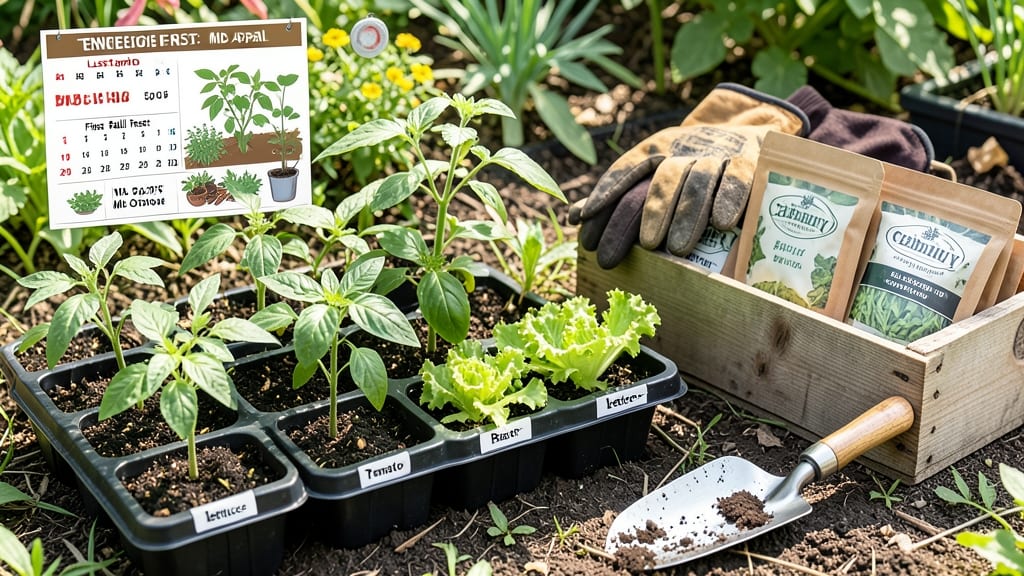
The best time to plant a garden in Tennessee depends on your zone and the crops you’re growing — but for most General Garden Vegetables 🌱, early spring and late summer are your golden windows.
Picture this: You’ve prepped the soil, ordered your seeds, and the weather looks perfect — until a late frost wipes out your seedlings. Or worse, you plant tomatoes in May and they bolt before they even set fruit.
Tennessee’s climate is tricky, but timing it right means the difference between a bountiful harvest and a disappointing flop.
From East Tennessee’s cooler highlands to West Tennessee’s warmer lowlands, frost dates shift by weeks. That’s why I’ll break down the exact months for each zone, which crops thrive when planted in March vs. August, and how to adjust for microclimates like urban heat islands or mountain valleys.
By the end, you’ll know not just when to plant, but how to extend your growing season with simple tricks like row covers and succession planting — so you’re harvesting fresh produce from spring to fall.
Tennessee planting calendar by USDA hardiness zones (6b, 7a, 7b, 8a)
Tennessee’s USDA Hardiness Zones range from 6b in the cooler Appalachian regions to 8a in the warmer western areas. These zones dictate when to plant cool-season crops like spinach and broccoli versus warm-season staples such as peppers and squash.
Timing is everything—plant too early, and frost will kill tender seedlings; too late, and you’ll miss the harvest window.
Each zone has distinct last spring frost and first fall frost dates, which I’ll break down below. For example, Zone 6b (e.g., Knoxville) has a later last frost (April 15) compared to Zone 8a (e.g., Memphis) (March 15).
Understanding these dates ensures your vegetables, flowers, and perennials thrive year-round.
Pro Tip: Use a frost-free date calculator or local weather reports to fine-tune your planting schedule. Even within a single zone, microclimates—like urban heat islands or shaded valleys—can shift ideal planting windows by 1-2 weeks.
| Zone | Last Spring Frost | First Fall Frost | Best Time to Plant Cool-Season Crops | Best Time to Plant Warm-Season Crops |
|---|---|---|---|---|
| 6b (e.g., Knoxville, Chattanooga) | April 15 | November 1 | March–April (after frost) | May 15–June 15 |
| 7a (e.g., Nashville, Cookeville) | March 30 | October 31 | February–March (early start) | April 15–May 15 |
| 7b (e.g., Clarksville, Huntsville) | March 15 | November 15 | February–April | April 1–May 15 |
| 8a (e.g., Memphis, Jackson) | March 1 | December 1 | January–March (year-round options) | March 15–April 30 |
🌱 Note: Adjust for elevation—higher areas (e.g., Great Smoky Mountains) may have 2-3 weeks later frost dates.
In Zone 6b, where winters are colder, focus on early spring planting (March–April) for cool-season crops like lettuce and peas. Wait until mid-May to plant tomatoes and peppers, as soil temperatures must reach 60°F+ for germination.
Meanwhile, Zone 8a gardeners can start warm-season crops as early as March 15 and enjoy year-round harvests with succession planting.
For perennials and flowers, timing varies. Plant spring-blooming bulbs (like tulips) in October–November for Zone 6b, but in Zone 8a, you can plant them as late as December. Annuals like marigolds or zinnias thrive when sown after the last frost, typically April–May in most zones.
Don’t overlook fall planting—it’s a gardener’s secret weapon! In Zone 7a, you can sow spinach and kale as late as September 1 for a winter harvest. Even in Zone 8a, cool-season crops like broccoli can be planted until October 15 for a holiday harvest.
Use row covers or cold frames to extend your growing season in cooler zones. For example, in Zone 6b, these tools can push spring planting back by 2-3 weeks or protect fall crops from early frosts.
Always check soil temperature with a soil thermometer—warm-season crops need 60°F+, while cool-season crops tolerate 40°F+.
Start seeds indoors 6–8 weeks before the last frost date to get a head start. For Zone 7b, that means mid-January for tomatoes and late January for peppers. In Zone 8a, you can direct-sow warm-season crops as early as February under protection.
Plan for succession planting to maximize yields. In Zone 7a, sow lettuce every 2 weeks from March to September. In Zone 6b, focus on short-season varieties like bush beans (60 days) or radishes (30 days) to avoid frost.
Remember: Frost dates are averages. Monitor local forecasts and adjust
How to adjust planting times for Tennessee’s microclimates (mountains vs. Delta)
Tennessee’s geography creates dramatic microclimates—think Chattanooga’s cooler Zone 7b versus Memphis’ balmier Zone 8a. These differences mean your neighbor’s perfect planting schedule might fail in your garden. Elevation shifts, urban heat islands, and soil variations all demand custom timing for peak harvests.
Let’s break down how to adapt your planting calendar to thrive in Tennessee’s diverse growing conditions.
In the Appalachian Mountains, like in Zone 7b, cooler temperatures delay spring planting by 2-3 weeks compared to West Tennessee’s Zone 8a. Meanwhile, cities like Nashville experience urban heat islands that can push planting dates 1-2 weeks earlier than rural areas.
Even soil types vary—clay-heavy Delta soils warm faster than rocky mountain loam, affecting seed germination. Adjusting for these factors ensures your tomatoes, peppers, and greens grow strong and productive.
🌱 Microclimate Adjustments for Tennessee:
| Region | USDA Zone | Last Frost Date | First Frost Date | Spring Planting Adjustment | Fall Planting Adjustment |
|---|---|---|---|---|---|
| East Tennessee (Mountains) | 7b | April 15 | October 20 | Wait until May 1 for warm crops | Start by August 15 for cool crops |
| Middle Tennessee (Nashville) | 7a | March 31 | October 10 | Plant warm crops by April 15 | Start by September 1 |
| West Tennessee (Memphis) | 8a | March 15 | November 1 | Plant warm crops by March 20 | Start by August 1 |
| Urban Heat Islands (Nashville/Chattanooga) | 7a-7b | March 20 (earlier) | October 5 (later) | Plant warm crops by April 1 | Extend fall planting to September 15 |
For mountain gardeners, focus on succession planting to stretch your growing season. Use row covers to protect early spring plantings from late frosts, and opt for cold-hardy varieties like kale or spinach.
In the Delta region, prioritize heat-tolerant crops like okra and sweet potatoes, and avoid planting warm-season crops before soil reaches 65°F—or risk poor germination.
Extend your season with cold frames or low tunnels, which can push spring planting 3-4 weeks earlier in cooler zones. In urban areas, container gardening lets you move plants to shadier spots during heatwaves.
For example, tomatoes in Memphis might need afternoon shade in July, while peppers in Chattanooga can handle full sun until August. Always check soil temperature with a thermometer—warm-season crops need 60-70°F soil to thrive.
Pro tip: Plant heat-loving crops like eggplant and cantaloupe in black plastic mulch to warm the soil faster in cooler zones. In the Delta, drip irrigation helps conserve water during scorching summers.
By tailoring your approach to your local microclimate, you’ll enjoy a longer harvest window and fewer garden frustrations. Happy planting! 🌿