
Planting
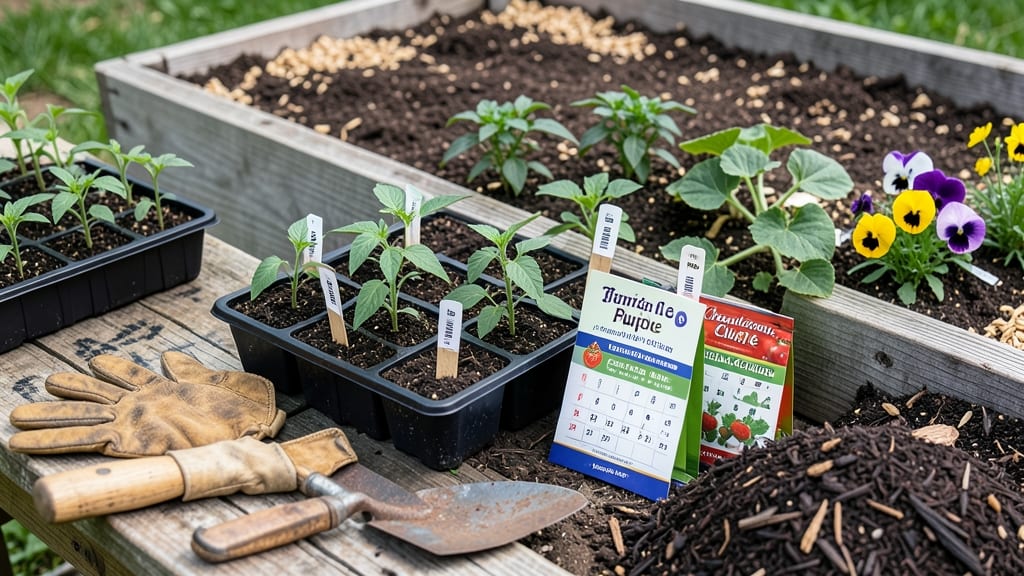
Planting your garden in Tennessee at the right time means the difference between a bumper crop and a sad, wilted disappointment 🌱 — and the exact window depends on your zone and what you’re growing.
Tennessee’s climate swings from the humid South to the cooler Appalachian foothills, so planting too early risks frost damage, while waiting too long can leave you scrambling to fit in a full season.
Whether you’re in Nashville’s Zone 7 or the mountains of Zone 6, the timing matters more than you think.
This guide breaks down the best planting schedule for your Tennessee zone, from cool-season veggies like broccoli to warm-season favorites like tomatoes and peppers. You’ll learn when to start seeds indoors, when to direct-sow outdoors, and how to adjust for late frosts or early heatwaves.
Skip the guesswork and discover the zone-specific timeline that ensures your garden thrives from spring through fall—no wasted seeds or stunted plants in sight.
Tennessee planting zones: when to start seeds indoors vs. direct sowing outdoors
Tennessee spans USDA zones 5b through 8a, creating a wide range of planting conditions. In Zone 5b (high-altitude areas like the Appalachian foothills), last frost dates can arrive as late as May 15, while Zone 8a (Memphis and Nashville) typically sees its last frost by March 15.
These differences mean your planting schedule should shift dramatically depending on where you live.
Understanding whether to start seeds indoors or direct sow outdoors is key to avoiding frost damage or stunted growth. Cool-season crops like lettuce and peas can handle light frosts, while warm-season crops like tomatoes and peppers need soil temperatures above 60°F to thrive.
Let’s break down the exact timing for each Tennessee zone.
For cool-season crops like broccoli, cabbage, and spinach, starting seeds indoors 4-6 weeks before your last frost date gives them a head start. In Zone 5b, this means beginning in early March, while gardeners in Zone 8a can start as early as mid-December.
Direct sowing outdoors should happen 2-4 weeks before your last frost to ensure seedlings aren’t shocked by cold snaps.
Warm-season crops like tomatoes, peppers, and cucumbers need a longer indoor head start. Begin seeds indoors 6-8 weeks before transplanting, which typically falls between March and April for most Tennessee zones.
Transplant these tender plants 2 weeks after your last frost date when soil temperatures consistently stay above 60°F. In Zone 5b, this might not happen until early June, while Zone 8a gardeners can transplant as early as mid-February.
Herbs
Best month-by-month planting calendar for Tennessee gardens (by Zone)
Tennessee’s USDA zones 5b-8a create unique planting opportunities, but timing is everything. Whether you're in Nashville’s zone 7a or Chattanooga’s cooler 6b, knowing exactly when to plant each crop ensures a bountiful harvest. Let’s break down the best planting schedule by month for your Tennessee garden.
For cool-season crops like lettuce and spinach, start seeds indoors in February for transplanting after the last frost. Warm-season favorites such as tomatoes and peppers need to wait until soil temperatures reach 60°F+, typically in late April to May.
Microclimates matter too—high-altitude areas like Knoxville may need adjustments of 2-4 weeks later than Nashville.
Tennessee Planting Timeline by Month
- 🌱 January-February: Start cool-season seeds indoors (lettuce, spinach, onions). Plant garlic and hardy perennials.
- 🌱 March: Direct sow peas, carrots, and radishes. Transplant broccoli and cabbage seedlings when soil warms.
- 🌱 April: Plant potatoes, beets, and kale. Start tomato and pepper seeds indoors for late May transplanting.
- 🌱 May: Transplant warm-season crops (tomatoes, peppers, squash) after last frost (mid-April to early May). Succession plant beans and cucumbers.
- 🌱 June-August: Sow fall crops (kale, turnips) in late summer. Harvest peppers and tomatoes at peak ripeness.
- 🌱 September-October: Plant cool-season crops for fall harvest (spinach, carrots). Extend season with row covers.
- 🌱 November-December: Plant cover crops (clover, winter rye) to protect soil. Mulch perennials for winter.
💡 Pro Tip: Use a frost date calculator to adjust for your exact location—Nashville’s last frost is typically April 15, while Chattanooga may see frost until May 1.
Succession planting is key for continuous harvests. For example, sow bush beans every 2 weeks from May until July to keep picking through September. Peppers and tomatoes thrive in Tennessee’s heat but need consistent watering—deep watering 2-3 times weekly prevents blossom drop.
Adjust for microclimates: Shady spots in East Tennessee’s mountains may delay planting by 2 weeks, while West Tennessee’s warmer zones can start earlier. Monitor soil temps with a thermometer—50°F+ for cool crops, 60°F+ for warm-season plants.
Don’t forget fall planting! September is prime time for broccoli, cabbage, and carrots. Use row covers to protect tender greens from unexpected early frosts. With this schedule, your Tennessee garden will yield homegrown goodness from spring through fall!