
Planting
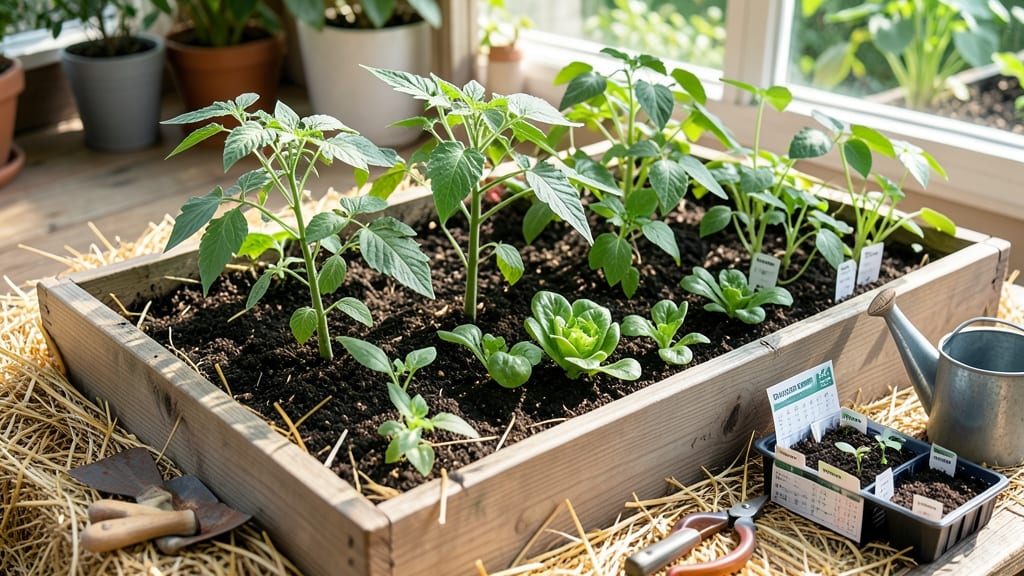
Planting a garden in Tennessee at the right time means the difference between a bountiful harvest and wasted effort — and the best window opens as soon as the last frost passes, around mid-March for most of the state.
Tennessee’s diverse climate—from humid subtropical to mountainous regions—means planting your garden at the wrong time could mean wasted seeds and stunted growth. Get the exact zone-specific dates to maximize your harvest this year.
Whether you’re growing cool-season crops like lettuce or warm-season favorites such as tomatoes, timing matters. In zones 6a-7b, soil temperatures and frost-free days dictate when to start seeds indoors, transplant seedlings, and even extend your growing season with row covers.
Below, I break down the ideal planting windows for every region, plus tips for adjusting to Tennessee’s microclimates so you can grow more with less guesswork.
Tennessee planting zones: exact dates for cool-season vs warm-season crops
Tennessee spans USDA zones 6b to 8a, creating unique planting challenges from the humid subtropical Memphis area to the mountainous East Tennessee highlands. Cool-season crops like lettuce and peas thrive in early spring, while tomatoes and peppers need warm soil—often delaying planting until late April or May.
Missing these windows can mean bolting greens or stunted tomatoes.
Your last frost date varies dramatically: Memphis averages March 10, while Knoxville’s last frost often lingers until April 15. Soil temperature matters just as much—warm-season crops like cucumbers won’t germinate until soil hits 60°F+. Use a soil thermometer to avoid guesswork.
🌱 PRO TIP: Bookmark your local Cooperative Extension Service frost date maps (e.g., UT Ag Extension for East TN, UTIA for West TN) to adjust yearly. A 5-day shift in frost dates can change your entire planting schedule!
For cool-season crops, aim to plant 4–6 weeks before your last frost. In zone 6b, that’s late February to early March for hardy greens like kale or spinach. Use row covers to extend the season by 2–3 weeks if frost threatens.
Warm-season crops like tomatoes and peppers need consistent 70°F+ soil. In zone 7a, wait until mid-April—planting too early risks blossom end rot from cold snaps. Start pepper seeds indoors in February to give them a head start.
🌡️ SOIL TEMP CHECK: Bury a soil thermometer 2 inches deep for accurate readings. Tomatoes won’t germinate below 60°F, while cucumbers need 70°F+. If soil is too cold, use black plastic mulch to warm it 5–10°F faster.
Fall planting follows the reverse logic: cool-season crops like broccoli and carrots can go in August–September (zones 6b–7a) or July–August (zone 8a). Harvest before first frost, which hits Memphis by November 10 and Nashville by November 15.
💡 EXTEND YOUR SEASON: Use cold frames or low tunnels to grow spinach or lettuce through December in zones 7a–8a. Just monitor for fungal diseases—excess moisture in protected spaces can be deadly.
Protect your investment by tracking 7-day forecasts for late frost risks. The National Weather Service’s Point Forecast tool (or local Ag Extension alerts) will save you from frost-killed seedlings.
How to adjust planting times for Tennessee’s microclimates and weather quirks
Tennessee’s geography creates unique growing challenges—from the urban heat islands of Nashville to the cool mountain valleys of the Smokies. These microclimates can shift planting windows by weeks, making standard zone guidelines unreliable.
I’ve learned the hard way that a tomato planted too early in Memphis’s humidity will rot, while the same variety thrives in Knoxville’s cooler air. The key is adapting your schedule to your specific location’s quirks.
Start by identifying your local frost dates—they’re not just about the calendar. Use row covers in early spring to protect tender seedlings from late frosts, which can still hit East Tennessee into April.
In West Tennessee’s river valleys, heat builds faster, so warm-season crops like peppers should go in the ground 2-3 weeks earlier than in the mountains. Even within cities, paved surfaces raise temperatures by 5-10°F, forcing adjustments for heat-sensitive plants like lettuce or spinach.
🌱 5 Essential Adjustments for Tennessee’s Microclimates
- Urban Areas: Plant heat-lovers (okra, sweet potatoes) 10-14 days earlier than rural zones. Use shade cloth for leafy greens.
- Mountain Valleys: Extend cool-season planting until May 15 with cold frames for extra protection.
- River Regions: Start warm crops after May 1 to avoid soil temps below 65°F.
- Northwest Tennessee: Succession plant every 2 weeks from April to July for continuous harvests.
- Appalachian Foothills: Use black plastic mulch to warm soil 2-3 weeks faster than bare earth.
For succession planting, I’ve had the most success with bush beans and radishes—sowing new batches every 10-14 days through summer. This works because Tennessee’s unpredictable weather can bring sudden heat waves or storms.
In East Tennessee, where nights stay cool, I’ve even planted cabbage in late July under floating row covers for a fall harvest. The trick is watching soil temperatures (use a cheap thermometer!)—warm-season crops need 60°F+, while cool-season ones thrive below 75°F.
Don’t overlook wind exposure, especially in open fields. A 3 mph wind can cool plants by 5°F, delaying growth. I’ve seen tomato blossoms drop in exposed areas during windy spells. If your garden is windy, create windbreaks with tall plants like sunflowers or corn on the north side.
For container gardens on patios or balconies, move pots to sheltered spots during storms—root damage from tipping is a common issue in Tennessee’s summer thunderstorms.
Finally, embrace season extension tools like hoop houses or cloches. In my Zone 7a garden, a simple DIY cold frame lets me grow spinach until Christmas. For warm-season crops, black plastic mulch raises soil temps by 5-8°F, letting me plant peppers a full week earlier.
The investment in these tools pays off when you’re harvesting tomatoes in November while neighbors are packing up their gardens.
Remember: Tennessee’s weather is unpredictable, but with these adjustments, you can turn challenges into advantages. Start small—try one new technique this season, like succession planting or soil warming mulch, and watch your garden thrive in ways you didn’t expect. Happy growing! 🌿